

[qbutton target=”_self” font_style=”normal” font_weight=”300″ text=”DOWNLOAD PDF” link=”https://www.mediafire.com/file_premium/eb8iv44c2z5znr9/Dispatches_June_2024.pdf/file” color=”#fefefe” hover_color=”#fefefe” background_color=”#bc5a11″ hover_background_color=”#bc5a11″ font_size=”14″ margin=”-10px 0px 20px 0px” border_color=”#ffffff”]
NORTH AMERICA

Wolverines are poised for a comeback in Colorado.
Source: The Colorado Sun
Colorado lawmakers have green-lighted a bill that paves the way for re-establishing wolverines while learning from the state’s recent wolf reintroduction. This bill does not have a strict deadline for the release of wolverines and it includes a compensation program for ranchers who lose livestock to these elusive carnivores.
[su_button url=”https://urldefense.com/v3/__https:/coloradosun.com/2024/05/14/legislation-cpw-reintroduces-wolverines/?utm_campaign=Move*over*wolves*2C*it**Bs*wolverine*reintroduction*time_20240514&utm_medium=email&utm_source=newsletter&utm_source=The*Colorado*Sun*Newsletters__;KyslK-KAmSsrKysrKw!!HXCxUKc!zhMql5zcfTad4e6UYJP_03EeYJl0A5WB00wOElnd0oXxEesWAE5ZN5TMnr8I0DSVyndmWSa6pONO-VWc7G265g$” target=”blank” style=”flat” background=”#638d3d” radius=”0″]Read the full article[/su_button]
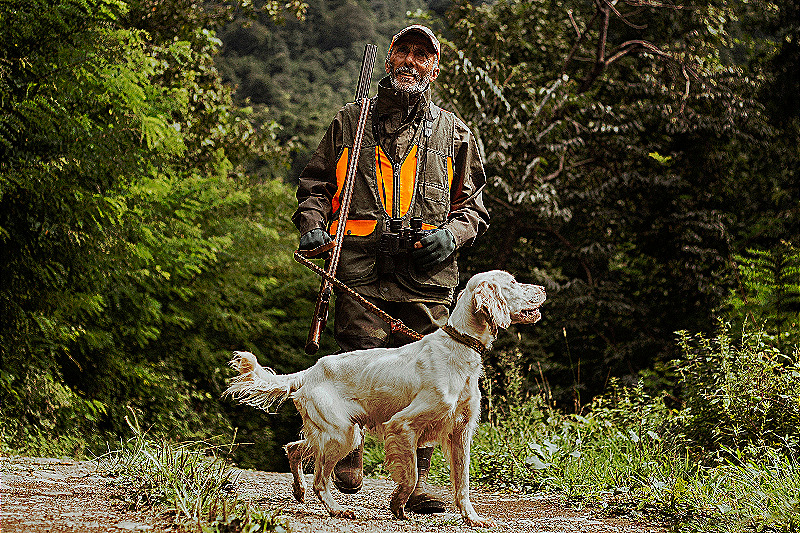
Firearms & ammunition leave a $17 billion conservation legacy.
Source: National Shooting Sports Foundation
Similar to livestock guardian dogs, a recent experiment shows an 88% reduction in bear visits to farms with dogs. While the study offers promise for cost-efficient coexistence, whether dogs can provide long term grizzly deterrence remains to be seen.
[su_button url=”https://www.nssf.org/articles/firearm-industry-surpasses-17-billion-in-pittman-robertson-excise-tax-contributions-for-conservation/” target=”blank” style=”flat” background=”#638d3d” radius=”0″]Read the full article[/su_button]
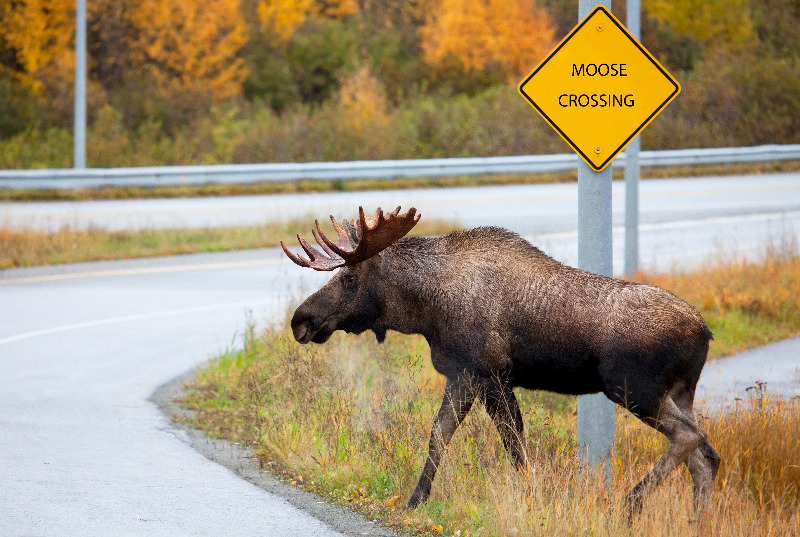
Wildlife crossings are a rare win-win.
Source: National Wildlife Federation
Collisions on US roads put one to two million people and 21 threatened or endangered species at risk annually. The 2023 Wildlife Crossing Program is investing $350 million in wildlife structures to reduce collisions, keep habitats connected, boost biodiversity and enhance ecosystem resilience.
[su_button url=”https://blog.nwf.org/2024/05/wildlife-crossings-are-a-win-win/” target=”blank” style=”flat” background=”#638d3d” radius=”0″]Read the full article[/su_button]

Ridin’ the range in wolf country …
Source: Summit Daily
After losing six cows to wolves in Grand County in April, Colorado Parks and Wildlife and the state’s Dept. of Agriculture have pledged up to $20,000 for nighttime patrols and range riders to deter wolf predation and protect livestock. And to supplement these efforts, the Governor recently allocated more funds for mitigating wolf-human conflict.
[su_button url=”hhttps://www.summitdaily.com/news/colorado-department-of-agriculture-to-provide-20000-for-range-riders-in-grand-county/?utm_source=newsletter&utm_source_platform=pinpoint&utm_medium=email&utm_campaign=LocalNewsFlash&utm_id=TG9jYWxOZXdzRmxhc2gyMDI0LTA1LTA2IDA3OjAwOjAw&utm_term=2024-05-06″ target=”blank” style=”flat” background=”#638d3d” radius=”0″]Read the full article[/su_button]
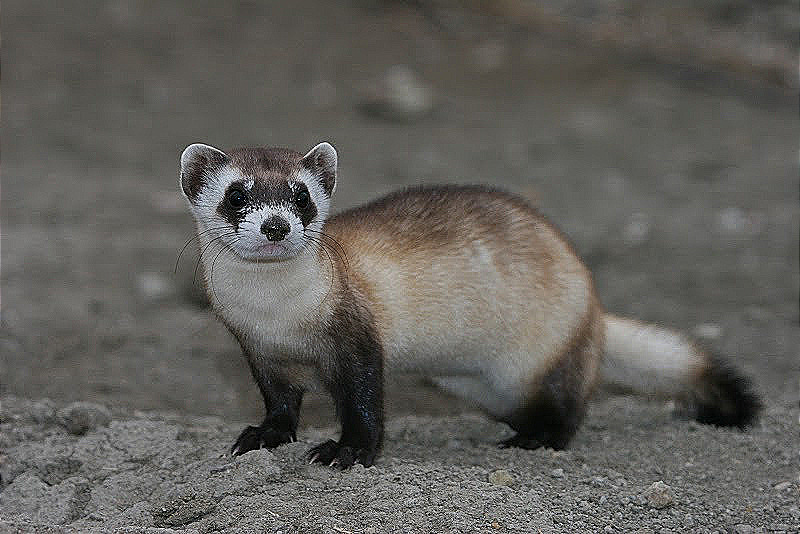
Cloning from DNA banks—a backup plan for conservation?
Source: Scientific American
While livestock predation explains the legal removal of 16 wolves—a high since recordkeeping began in 2008—illegal killings resulted in 12 additional deaths. At 178 wolves, the state’s wolf population did not increase for the first time in eight years.
[su_button url=”https://www.scientificamerican.com/article/how-a-cloned-ferret-inspired-a-dna-bank-for-endangered-species/” target=”blank” style=”flat” background=”#638d3d” radius=”0″]Read the full article[/su_button]
Virus gone wild.
Source: Science
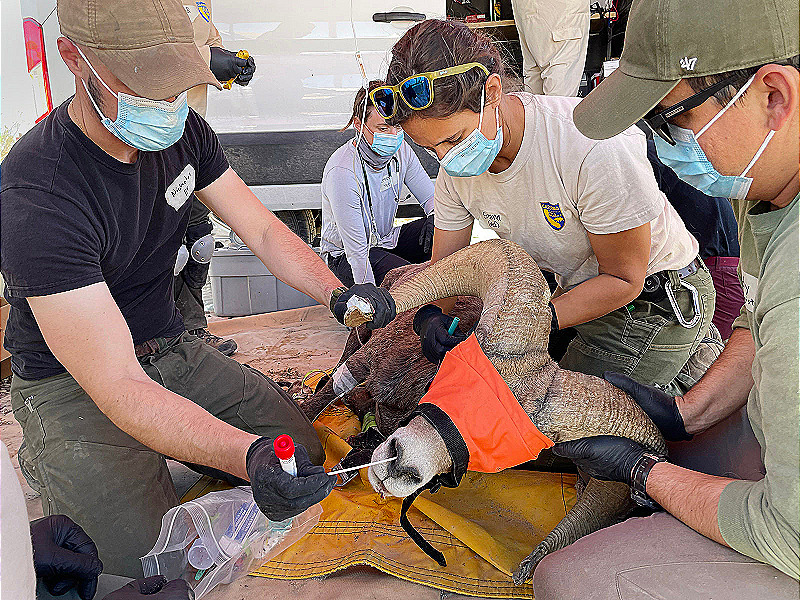
While the COVID-19 virus is found in more than 50 animal species worldwide, deer are the only non-human vectors detected so far in the US. Still, with transmission occurring from and between animals and humans, a recent $4.5 million USDA grant funds a study of virus transmission and its effects on wildlife. Animal samples will come from diverse sources, including wildlife managers, hunters, animal rehabilitators and pest controllers.
[su_button url=”https://www.science.org/content/article/which-wild-animals-carry-covid-19-virus-ambitious-us-project-aims-find-out” target=”blank” style=”flat” background=”#638d3d” radius=”0″]Read the full article[/su_button]
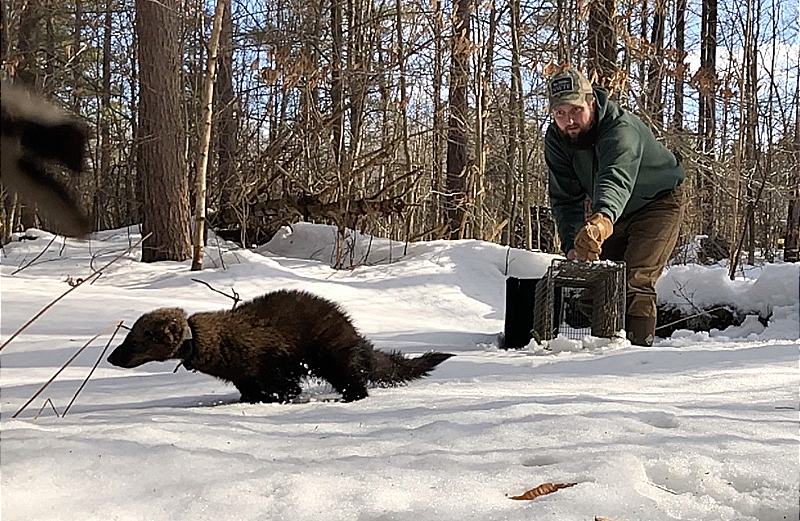
Fishers thrive with sustainable comprehensive management.
Source: U.S. Fish & Wildlife Service
After declines, fisher populations rebounded in New England and Mid-Atlantic ecosystems through reintroductions and sustainable management. Funded by excise taxes and hunting license and permit fees, fisher conservation programs include population monitoring and research as well as education for trappers.
[su_button url=”https://www.wildlifedepartment.com/outdoorok/ooj/study-focused-panhandle-black-bears-gets-big-picture-results?utm_campaign=CEGrantHighlight04222024&utm_content=&utm_medium=email&utm_source=govdelivery&utm_term=” target=”blank” style=”flat” background=”#638d3d” radius=”0″]Read the full article[/su_button]
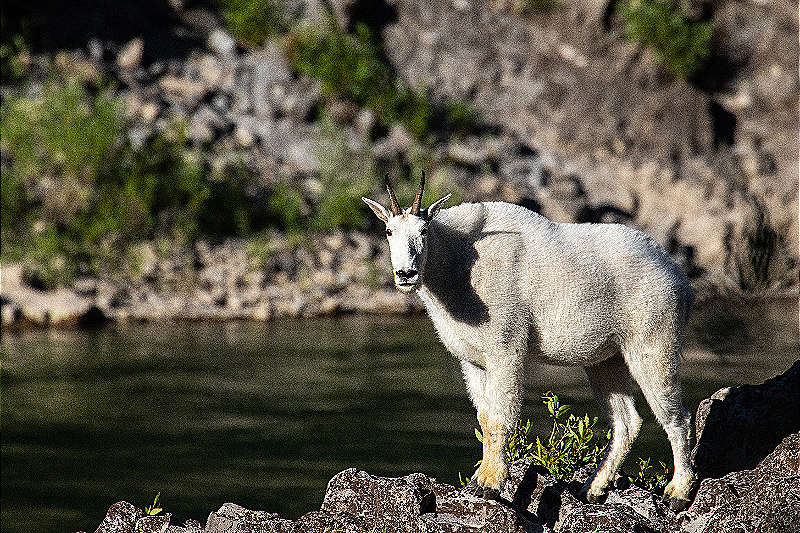
Bighorn relief: nonnative mountain goat culling continues in Wyoming.
Source: GoHunt
To protect native bighorn sheep from disease and competition for critical habitat, the National Park Service is culling nonnative mountain goats in Wyoming’s Grand Teton National Park. Fifteen goats were removed in 2023, leaving an estimated 10 –20 still in the park. Officials warn that complete eradication will be difficult as goats continue to enter the park from outside.
[su_button url=”https://www.gohunt.com/browse/news-and-updates/hunting-news/grand-teton-national-parks-mountain-goat-cull-continues” target=”blank” style=”flat” background=”#638d3d” radius=”0″]Read the full article[/su_button]
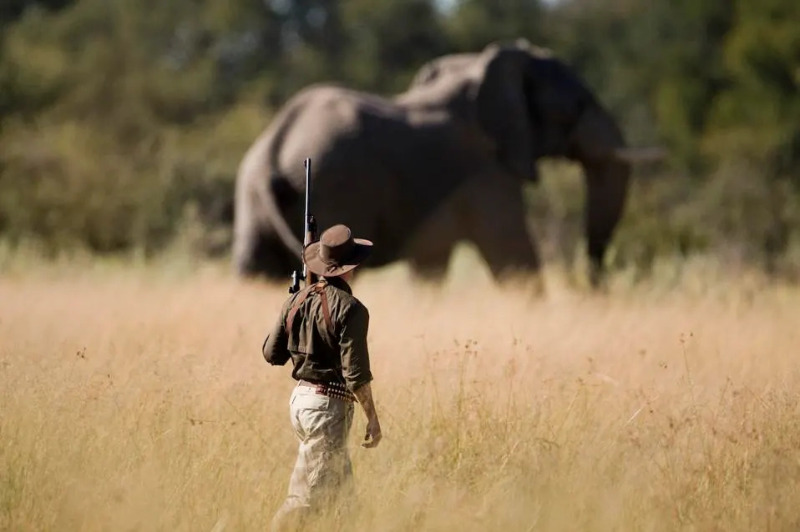
Scientists question US restrictions on elephant-ivory imports.
Source: Forbes
As the US Fish & Wildlife Service tightens restrictions on importing legally hunted elephant ivory, African leaders are increasingly concerned about the disconnect between Western conservation values and the realities of managing “charismatic megafauna.” This disconnect is especially evident where growing elephant populations are involved in human-wildlife conflict.
[su_button url=”https://www.forbes.com/sites/chrisdorsey/2024/05/08/recent-us-fish–wildlife-service-ruling-sparks-new-debate-over-elephant-hunting/?sh=462d86801aa8″ target=”blank” style=”flat” background=”#638d3d” radius=”0″]Read the full article[/su_button]
AFRICA

Drought and humans threaten Zambezi hippos.
Source: African Wildlife Foundation
A groundbreaking transboundary survey along the Zambezi River by Zimbabwe and Zambia found that hippo populations are declining. The likely culprits are shortages of grazing caused by drought along with human disturbance. The study is expected to guide the management of human-hippo conflict and the development of hippo conservation strategies.
[su_button url=”https://www.awf.org/news/transboundary-survey-reveals-declining-hippo-population-along-zambezi-river” target=”blank” style=”flat” background=”#638d3d” radius=”0″]Read the full article[/su_button]

Hope for Kenya’s endangered mountain bongo.
Source: Africa News
Women reshape the safari guide profession across Africa by offering a unique and previously absent perspective. Rising above stereotypical beliefs and the challenges of working in remote conditions, women taking advantage of these emerging opportunities are a source of community pride and development.
[su_button url=”https://www.africanews.com/2024/05/08/critically-endangered-mountain-bongos-released-into-the-wild-in-kenya/” target=”blank” style=”flat” background=”#638d3d” radius=”0″]Read the full article[/su_button]

Africa’s conservation dilemmas demand global support.
Source: African Wildlife Foundation
Kaddu Sebunya, CEO of the African Wildlife Foundation, believes Africa faces a critical juncture that demands proactive conservation solutions. Botswana President Masisi’s recent controversial comments about elephant conservation highlight the challenge African nations face in balancing conservation with human needs. Solutions may require radical shifts in societal values and accepting tradeoffs that involve compromise.
[su_button url=”https://www.awf.org/news/unearthing-truths-africas-conservation-dilemma-demands-global-action” target=”blank” style=”flat” background=”#638d3d” radius=”0″]Read the full article[/su_button]
EUROPE

Squirrels yes, rats no—social preferences may be key to urban biodiversity.
Source: Science Daily
A recent study found that Munich (Germany) residents’ preferences for animals correlate with their tolerance for living alongside them. While a handful of mammals, including squirrels, are well-liked and accepted as “neighbors,” others, such as martens and rats, are less popular and residents prefer them to stay farther away. Acknowledging these social preferences may lead to more successful urban biodiversity.
[su_button url=”https://www.sciencedaily.com/releases/2024/05/240508093730.htm” target=”blank” style=”flat” background=”#638d3d” radius=”0″]Read the full article[/su_button]
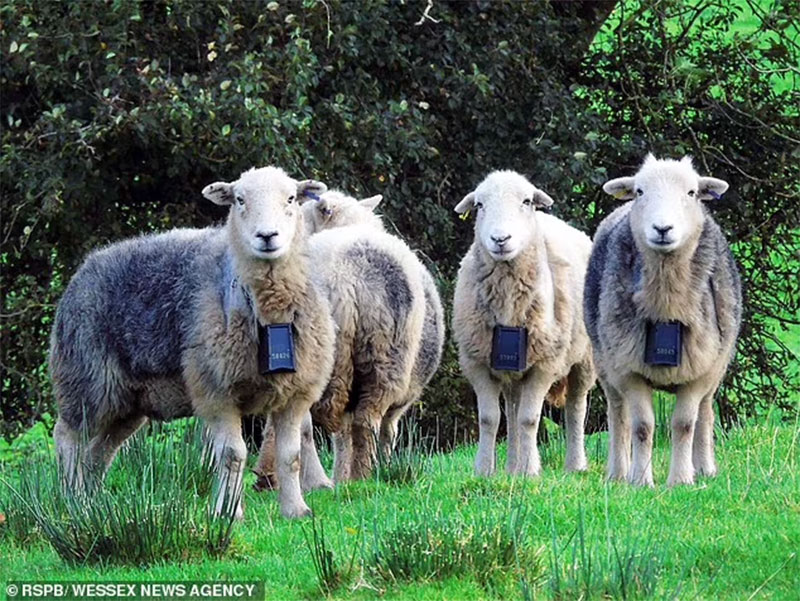
Invisible sheep fences protect ground-nesting birds.
Source: BBC
Sheep can disrupt threatened ground-nesting birds during their critical egg-laying and hatching seasons. By outfitting sheep with collars that emit electric pulses and warning noises, conservationists in Cumbria, England, are creating invisible fences to protect sensitive nesting areas. Game wardens are already reporting improvements in nesting outcomes.
[su_button url=”https://www.bbc.com/news/articles/cn4027pz03qo” target=”blank” style=”flat” background=”#638d3d” radius=”0″]Read the full article[/su_button]
WORLD
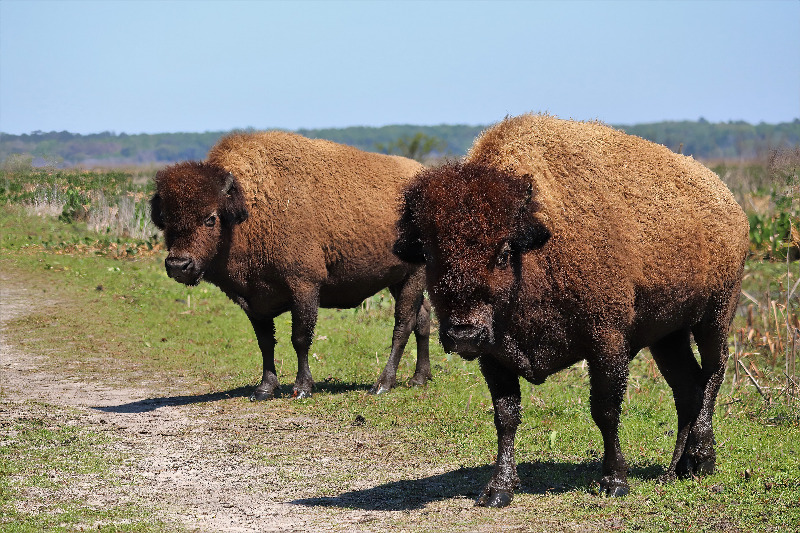
First planet-wide analysis finds conservation making measurable differences.
Source: Anthropocene
An analysis of 665 metrics to assess conservation success across 186 studies shows that global conservation efforts are paying off. Overall, 45% of these metrics showed an improvement in biodiversity and 21% had at least slowed the decline in biodiversity. Removing invasive species and protecting habitats are among the most effective strategies, suggesting that the remaining barrier to further progress is funding.
[su_button url=”https://www.anthropocenemagazine.org/2024/05/first-ever-planet-wide-analysis-shows-conservation-work-is-making-a-measurable-difference/” target=”blank” style=”flat” background=”#638d3d” radius=”0″]Read the full article[/su_button]
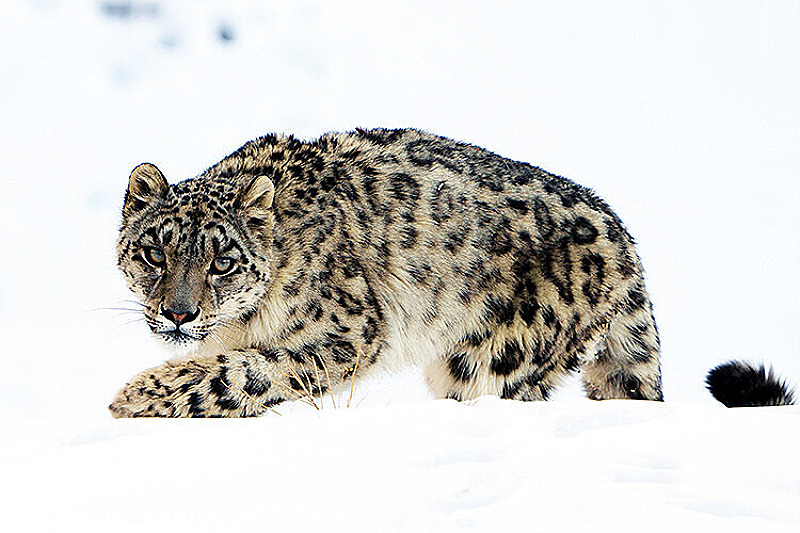
Tracking the elusive snow leopard in the Himalaya.
Source: Geographical
While snow leopards are threatened by poaching for traditional medicine and retaliatory killings due to human-wildlife conflict, the Wildlife Institute of India has found that the species’ population counts are outdated. Using about 2,000 cameras across 70% of the snow leopard’s range in India, the Institute now estimates 718 individuals in the country, which could suggest a global population of 7,000–10,000 individuals.
[su_button url=”https://geographical.co.uk/wildlife/on-the-trail-of-the-elusive-snow-leopard” target=”blank” style=”flat” background=”#638d3d” radius=”0″]Read the full article[/su_button]
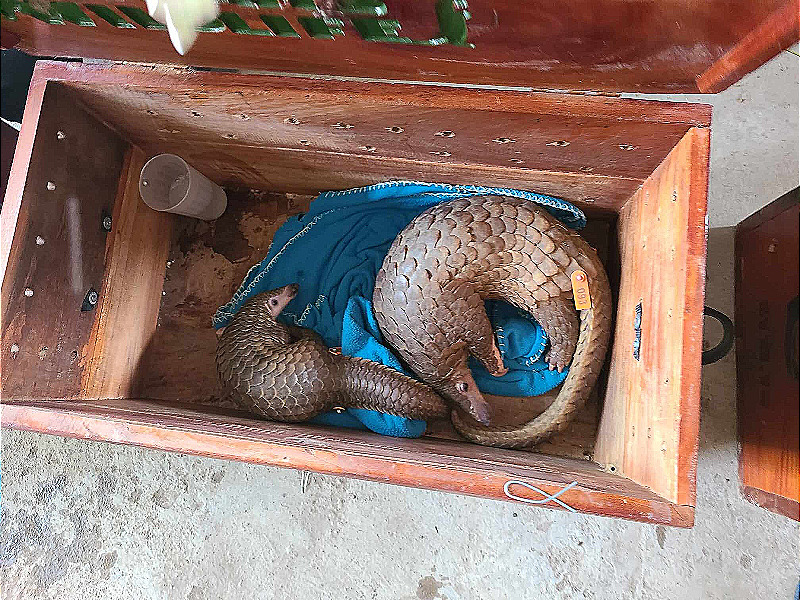
Radio-tracking rescued pangolins in Vietnam.
Source: Mongabay
Save Vietnam’s Wildlife is using radio tracking to monitor rehabilitated pangolins rescued from the illegal wildlife trade. By inserting transmitters into the animals’ scales, the organization gains valuable insights into the behavior and needs of these elusive creatures. This insight is key to funding research, as financial commitments often depend on publishable results rather than pangolin survival.
[su_button url=”https://news.mongabay.com/2024/05/on-foot-and-by-drone-radio-tracking-helps-rehabilitate-pangolins-in-vietnam/” target=”blank” style=”flat” background=”#638d3d” radius=”0″]Read the full article[/su_button]

Asia’s fishing cat depends on threatened wetlands habitat.
Source: Mongabay
The fishing cat is threatened across its Asian range by habitat loss, hunting, retaliatory killings, and vehicle collisions. Conservation efforts have successfully positioned the fishing cat as a flagship species to protect its equally threatened wetland habitats. Building on this promising approach, the Fishing Cat Conservation Alliance aims to secure and distribute funds for further protection measures.
[su_button url=”https://news.mongabay.com/2024/05/saving-asias-fishing-cat-means-protecting-threatened-wetland-habitat/” target=”blank” style=”flat” background=”#638d3d” radius=”0″]Read the full article[/su_button]