

NORTH AMERICA
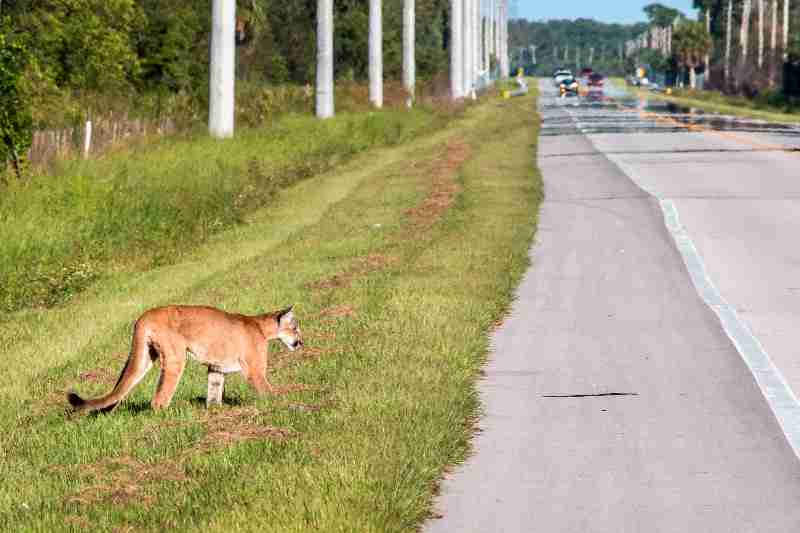
Florida panthers battle for survival on the open road.
Source: Wink News
The Florida panther, with only 120-230 adults remaining, reigns as the endangered apex predator in South Florida. Yet, its deadliest foe isn’t found in the food chain at all—it’s on the open road.
This year, the Florida Wildlife Commission reports that vehicle collisions are responsible for at least 12 of 16 panther deaths. While these numbers are substantial, there is a bright side. Whereas fewer collisions in 2023 raised concerns about population decline, the current figures align with previous years, suggesting more stability in panther abundance. As human development continues to expand rapidly in Florida, state officials urge drivers to obey speed limits to help ensure the survival of this iconic predator.
[su_button url=”https://winknews.com/2024/07/11/sixteenth-florida-panther-death-of-2024/#:~:text=The%20numbers%20seem%20to%20trend,keep%20Florida’s%20state%20animals%20safe.” target=”blank” style=”flat” background=”#638d3d” radius=”0″]Read the full article[/su_button]
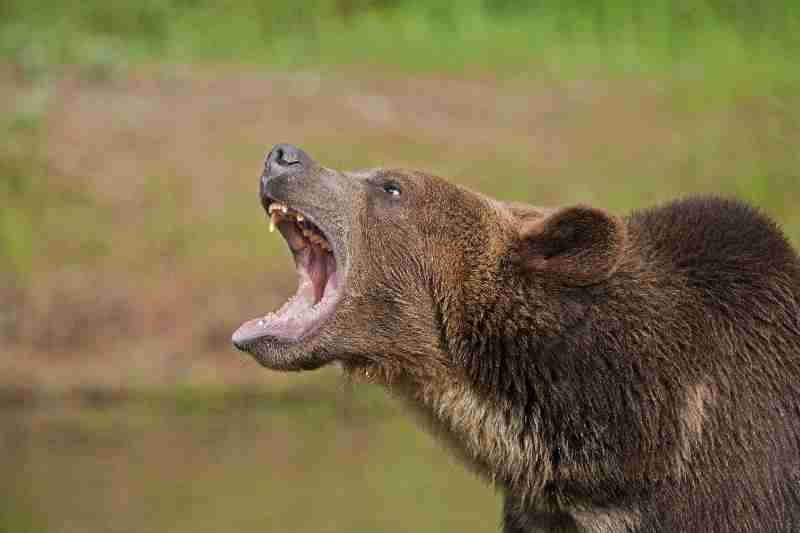
Alberta’s grizzly dilemma.
Source: Outdoor Life
In rugged Alberta, a growing conflict between humans and grizzly bears has sparked a controversial solution. Since 2005, these threatened but potentially dangerous animals have caused 8 deaths and 62 maulings, not to mention over 100 livestock attacks annually. Now, two decades after banning grizzly hunting, Alberta is considering enlisting hunters as stand-in wildlife managers. Supporters argue it’s a win-win, addressing a critical public safety issue while providing hunters with new recreational opportunities. However, the Wildlife Society’s Alberta Chapter is challenging these new provincial regulations. They suggest that population estimates are outdated, hunting is often ineffective in instances of human-bear conflict, and problem-bear management should not be placed in citizens’ hands.
[su_button url=”https://www.outdoorlife.com/hunting/alberta-establishes-targeted-grizzly-bear-hunts/” target=”blank” style=”flat” background=”#638d3d” radius=”0″]Read the full article[/su_button]
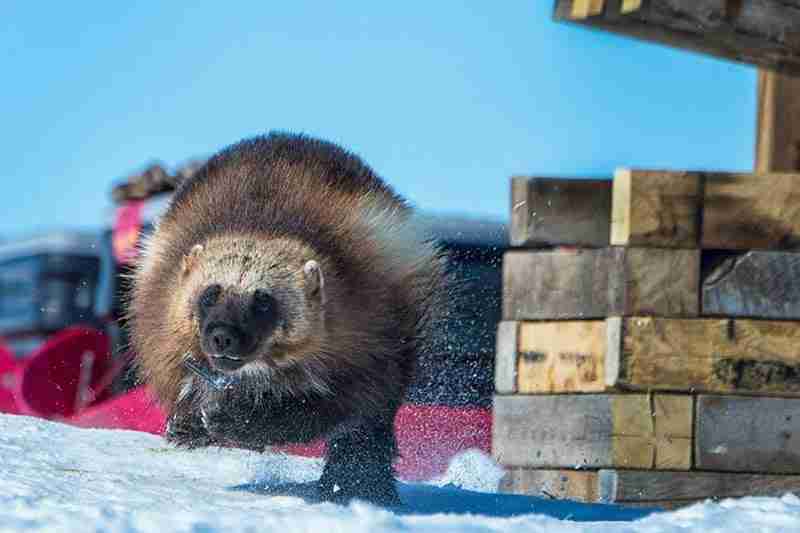
Where are the wolverines?
Source: The Wildlife Society
In the vast Alaskan tundra, intrepid researchers braving infamously difficult working conditions have uncovered a shocking truth: wolverines experienced a 10-fold decline on the North Slope since the last survey in 1984.
Once thought to be thriving in Alaska while struggling in the lower 48 states, wolverines are likely suffering the effects of climate change and human development. While not yet at risk, the research suggests that preserving this notoriously ferocious and elusive predator may require safeguarding refugia sooner rather than later.
[su_button url=”https://wildlife.org/jwm-in-the-alaskan-arctic-where-are-all-the-wolverines/?utm_medium=email&_hsmi=313491247&utm_content=313491247&utm_source=hs_email” target=”blank” style=”flat” background=”#638d3d” radius=”0″]Read the full article[/su_button]

Shattering barriers to outdoor recreation!
Source: USFWS
As the cornerstone of the North American Model of Conservation, hunting is a key element of wildlife management. However, for those who were not raised around hunters, operating bows and firearms, tracking and calling game, and navigating regulations can be a daunting proposition.
Tackling this challenge head-on, a National Wildlife Refuge is working with the National Deer Association to pair novices with seasoned experts. Offering a safe, educational, and fun introduction, this timely initiative comes as hunting participation in the United States is declining. Looking ahead, such introductions may be necessary to sustain hunting as a wildlife management tool for future generations.
[su_button url=”https://www.fws.gov/story/2024-06/yelping-clucking-and-calling-finding-your-passion-field” target=”blank” style=”flat” background=”#638d3d” radius=”0″]Read the full article[/su_button]
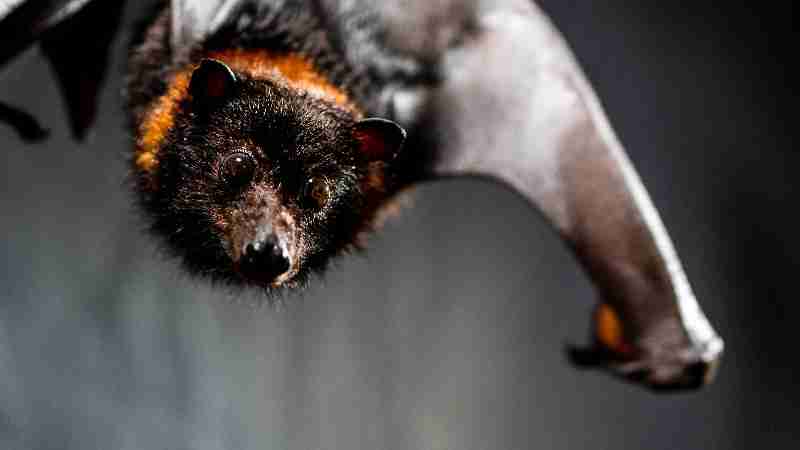
Endangered species in the United States get a boost in funding!
Source: USFWS
What do a Mariana fruit bat, a San Joaquin kit fox, and a gopher tortoise share in common? They’re all set to benefit from a conservation windfall! The United States Fish and Wildlife Service has announced over $48 million in funding to protect the diverse ecosystems many rare species call home.
The lion’s share—$41 million—will protect 23,000 acres across 16 states, benefiting 40 listed and at-risk species through 21 distinct projects. Including the remaining $7 million earmarked to support landowner agreements, this initiative stands to aid 80 listed and at-risk species in total. These projects demonstrate how the US Endangered Species Act serves as a biodiversity safeguard and one bridge toward the ambitious goal of conserving, connecting, and restoring 30% of U.S. lands.
[su_button url=”https://www.fws.gov/press-release/2024-07/484m-collaborative-efforts-conserve-americas-most-imperiled-species” target=”blank” style=”flat” background=”#638d3d” radius=”0″]Read the full article[/su_button]
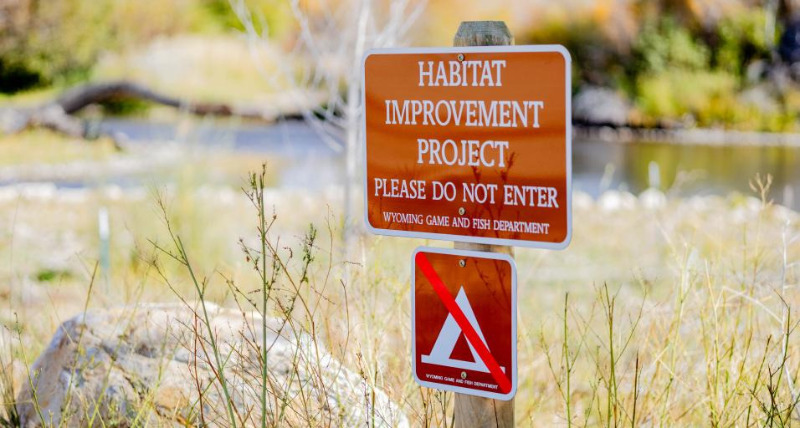
Wyoming’s wildlife wins big.
Source: GOCONOW
The Wyoming Game and Fish Department has announced a massive conservation victory: over 800 species benefitted from $13 million in funding. This substantial investment supported 237 projects, improving 155 miles of streams and enhancing 935,000 acres of terrestrial habitat.
Aquatic efforts improved water quality, while projects on land battled invasive grass species across 80,704 acres. According to the director of Wyoming Game and Fish, these initiatives are creating resilient landscapes capable of sustaining healthy wildlife populations through rising and falling water and severe winters. Uniting with various partners to complete this work, Wyoming is demonstrating that collaboration can yield significant benefits for wildlife.
[su_button url=”https://goconow.com/wyoming-conservation-partners-invested-over-13-million-for-2023-habitat-projects/” target=”blank” style=”flat” background=”#638d3d” radius=”0″]Read the full article[/su_button]
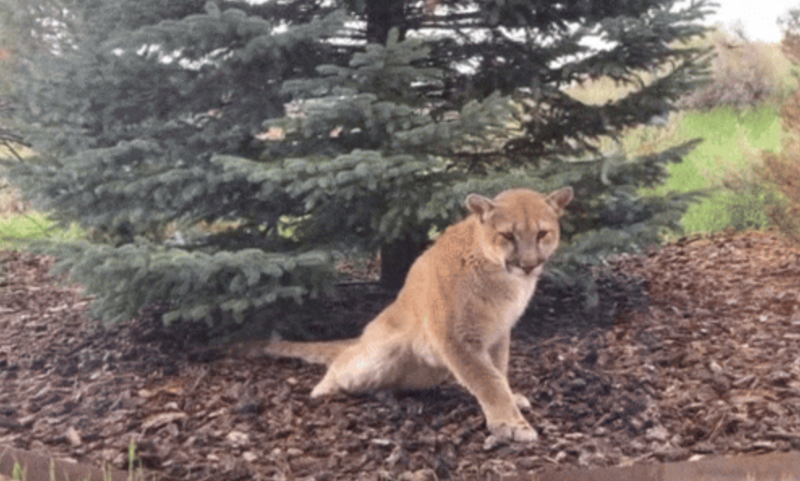
A staggering fatal new virus threatens mountain lions.
Source: Summit Daily
Without obvious injuries or abnormalities, what could cause a 1-year-old mountain lion to become so disoriented and uncoordinated that wildlife officials had to euthanize it? After a year of mystery, researchers have identified this as the first North American case of “staggering disease,” a fatal condition previously found only in European house cats.
On high alert, veterinarians are carefully searching for additional cases while scientists investigate potential host animals in the environment. If you live in the mountain states, you can help too! Colorado Parks and Wildlife is calling on the public to report any unusual behavior observed in mountain lions.
[su_button url=”https://summitdaily.com/news/colorado-mountain-lion-staggering-disease-north-america/?utm_source=newsletter&utm_source_platform=pinpoint&utm_medium=email&utm_campaign=LocalNewsFlash&utm_id=TG9jYWxOZXdzRmxhc2gyMDI0LTA3LTE4IDA3OjAwOjAw&utm_term=2024-07-18″ target=”blank” style=”flat” background=”#638d3d” radius=”0″]Read the full article[/su_button]
AFRICA
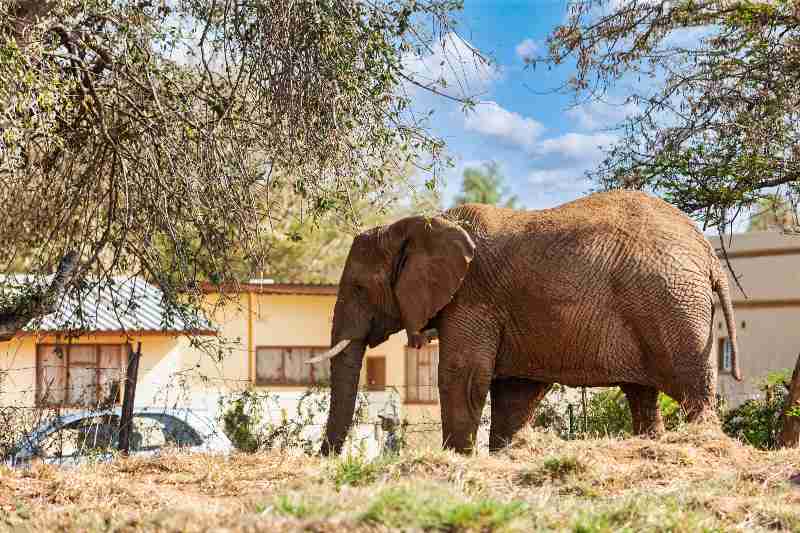
Conservation imperialism in Malawi and Zimbabwe.
Source: Daily Maverick
Critics are calling it “conservation imperialism,” stating that no community in Europe or North America would tolerate dangerous megafauna in their backyard. In July 2022, 263 elephants were relocated to Kasungu National Park. Without proper boundaries, these giant mammals menace local communities.
The toll is staggering: 9 human deaths, $3 million in damages, and an estimated 10,400 victims. Small-scale farmers watch helplessly as elephants destroy crops and homes. However, some relief may come, as a UK law firm gathers information for a class action lawsuit.
[su_button url=”https://www.dailymaverick.co.za/article/2024-07-07-conservation-imperialism-brings-death-and-destruction-to-poor-communities-in-zambia-and-malawi/” target=”blank” style=”flat” background=”#638d3d” radius=”0″]Read the full article[/su_button]
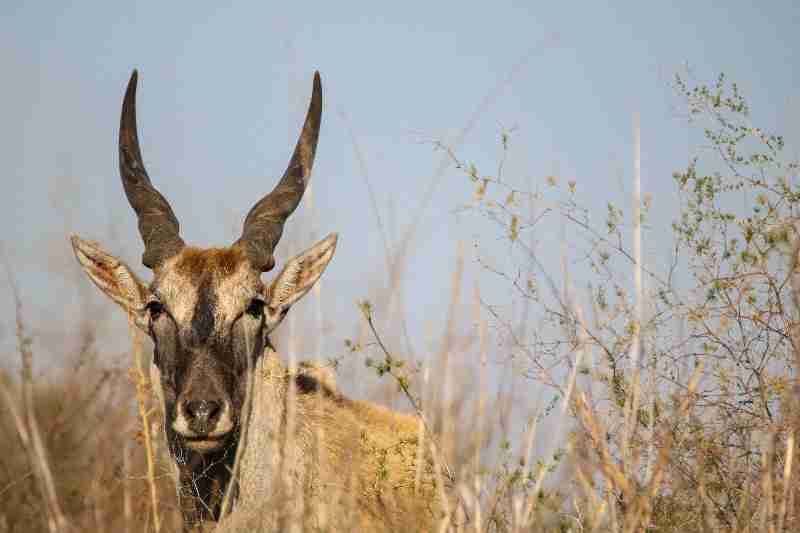
How did we get here: The unexpected history of wildlife laws in South Africa.
Source: Patrol
How were ranchers saved in Southern Africa? It all started when government officials recognized that livestock farming was eliminating wildlife and causing severe environmental harm. The solution? Allow farmers to own wildlife.
While scientists initially thought wildlife would produce more and better meat, farmers discovered the real boost in income came from hunting. This revelation led to a gradual shift, with decreasing cattle numbers making more room for wildlife. It is important to note that hunting was not the initial impetus for the legislative changes that enabled this wildlife rebound—”making a living was.”
[su_button url=”https://www.patrolling.org/why-do-southern-african-conservationists-and-communities-support-hunting/?ref=patrol-newsletter” target=”blank” style=”flat” background=”#638d3d” radius=”0″]Read the full article[/su_button]
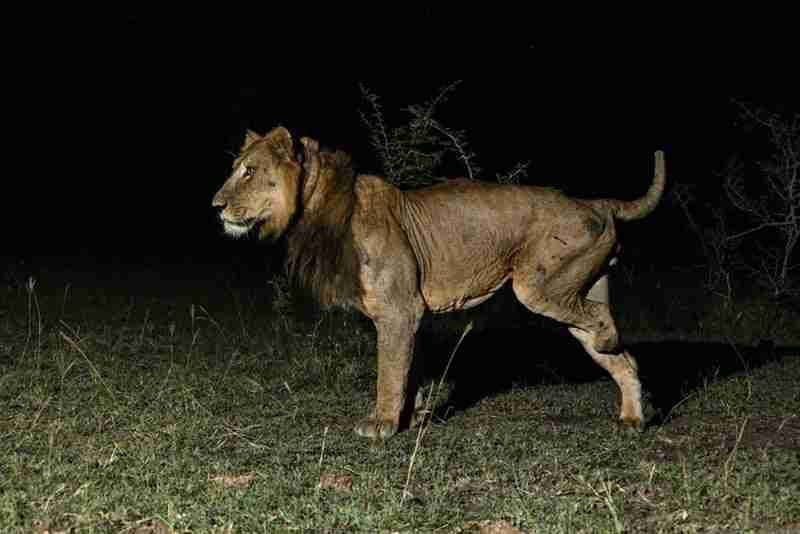
Lions record-breaking swim across channel captured by drone camera
Source: BBC Science Focus
“In a daring testament to the power of attraction, two lions in Uganda, one missing a leg, swam nearly 1.5 km through crocodile and hippo-infested waters to reach females on the other side.
Using drone technology, scientists measured this record-breaking swim at more than five times longer than any previously documented attempt. Those scientists believe that intense competition for mates, driven by an imbalanced sex ratio, is pushing lions to these extraordinary feats. However, the three-legged lion Jacob is no stranger to the risks inherent to surviving on the African savanna. Prior to this death-defying swim with his brother Tibu, he survived a buffalo goring and numerous injuries from poachers!”
[su_button url=”https://www.sciencefocus.com/news/3-legged-lion-survives-record-breaking-swim” target=”blank” style=”flat” background=”#638d3d” radius=”0″]Read the full article[/su_button]
EUROPE
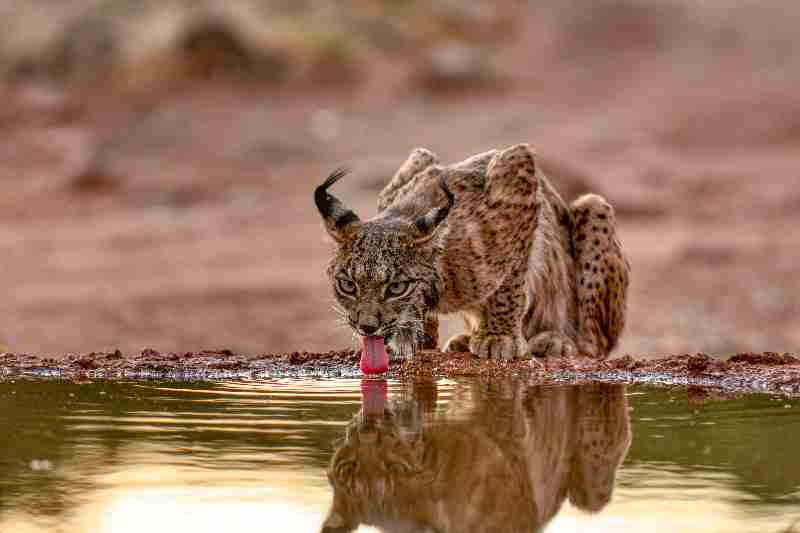
Iberian lynx endangered no longer!
Source: BBC
In what may be the “greatest recovery of a cat species ever achieved through conservation,” the Iberian lynx has recently graduated from “endangered” to “vulnerable” status. This turnaround is attributed to conservation efforts including habitat restoration, reintroductions, and increasing the abundance of the lynx’s main prey, the similarly endangered European rabbit. After a nearly 10-fold population increase over the last twenty years, nearly 650 lynxes were recorded across 14 groups in 2022. But conservationists aren’t resting on their laurels. With plans to establish new populations in central and northern Spain, they hope to ensure that this species is never again threatened with extinction.
[su_button url=”https://www.bbc.com/news/articles/cyxxz51vwz2o” target=”blank” style=”flat” background=”#638d3d” radius=”0″]Read the full article[/su_button]
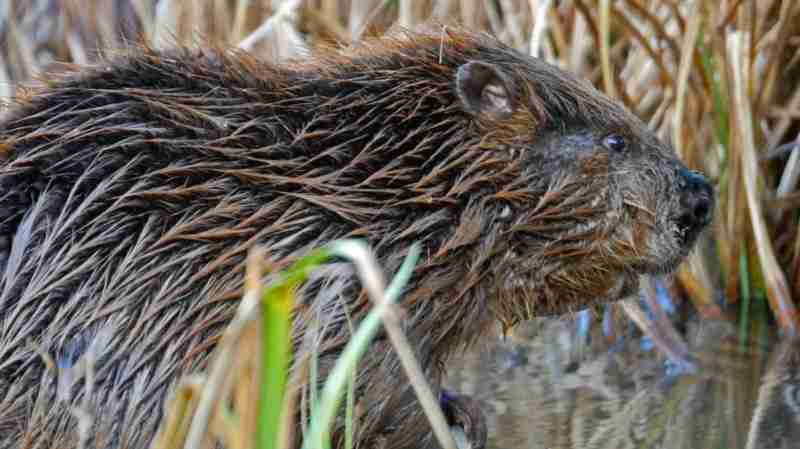
Beavers back in Britain.
Source: BBC
Sometimes, a gnawed tree stump can be a cause for celebration! Eurasian beavers went extinct in Britain in the 16th century due to overhunting for their fur, meat, and scent glands. Now after centuries of absence, these ecosystem engineers are making a remarkable comeback. Learning from the past, conservationists have proactively established a Beaver Management Group. This forward-thinking approach aims to help local residents cope with any conflicts arising from the beavers’ presence, promoting coexistence with these industrious rodents.
[su_button url=”https://www.bbc.com/news/articles/cq55jn1708do” target=”blank” style=”flat” background=”#638d3d” radius=”0″]Read the full article[/su_button]
WORLD
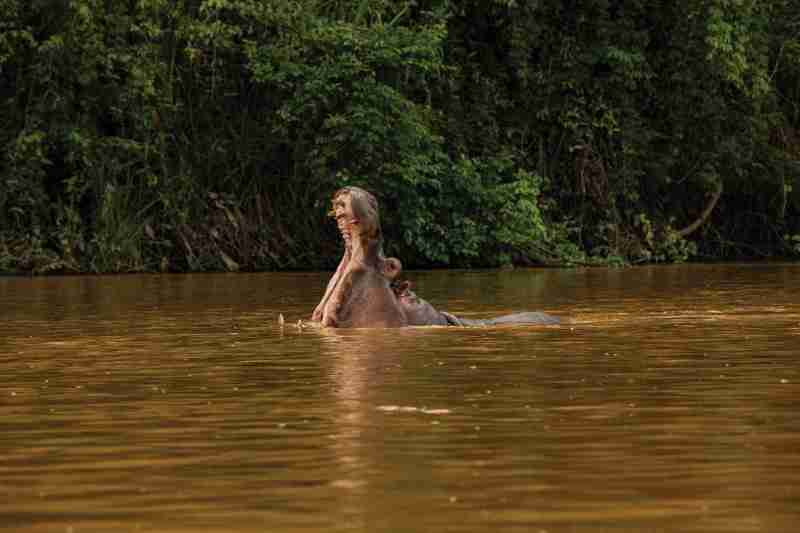
The unlikely ecological legacy of Pablo Escobar.
Source: Smithsonian
How did hippos, native to sub-Saharan Africa, end up thriving in the Colombian jungle? The answer lies in the eccentric whims of Pablo Escobar, an infamous drug lord that collected wild animals with his vast fortune.
After the drug lord’s death in 1993, his hippos, deemed too dangerous to relocate, were left behind. Now, up to 169 hippos roam the Magdalena Basin, threatening human safety and local ecosystems. While officials consider culling, relocations, and sterilization, complete eradication seems unlikely, leaving Colombia to grapple with this unusual ecological challenge into the foreseeable future.
[su_button url=”https://www.smithsonianmag.com/science-nature/pablo-escobar-abandoned-hippos-wreaking-havoc-colombian-jungle-180984494/” target=”blank” style=”flat” background=”#638d3d” radius=”0″]Read the full article[/su_button]
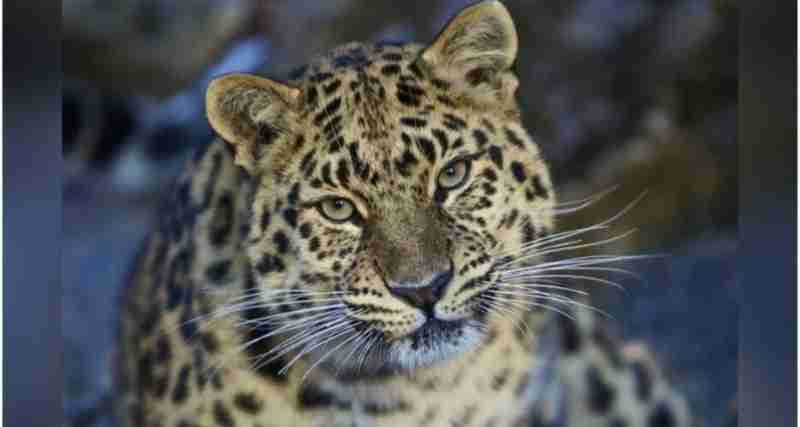
An Amur leopard alliance?
Source: NK News
Russia and North Korea are joining forces to protect the critically endangered Amur leopard, once native to the Korean Peninsula. While Amur leopards currently persist in parts of China and Russia, their presence in North Korea is uncertain. Experts suggest Russia might plan to reintroduce the species in North Korea, but the country lacks large uninterrupted forests and sufficient prey. With fewer than 100 of these magnificent and fascinating big cats left in the wild, their survival may hinge on successful international collaboration.
[su_button url=”https://www.nknews.org/2024/06/russia-and-north-korea-eye-joint-project-to-protect-endangered-amur-leopards/#:~:text=Foreign%20RelationsMisc.,the%20species%20to%20its%20territory.” target=”blank” style=”flat” background=”#638d3d” radius=”0″]Read the full article[/su_button]
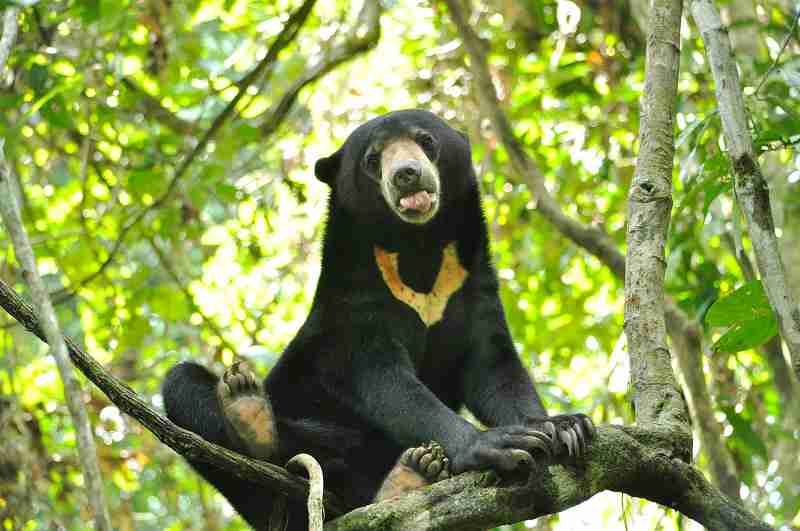
Does wildlife rehabilitation really work?
Source: Science
With fewer than 500 sun bears left in the wild, the Bornean Sun Bear Conservation Centre faces a critical challenge. They’ve released 12 orphaned cubs, but a pressing question remains as they move ahead with the 43 currently in their care: are these efforts helping?
The answer to that question requires data, but GPS collars, meant to track bears for a year, go silent within just 3 months, likely due to malfunction and damage. Such challenges are not unique to sun bears. Lost collars, high costs, and scattered data leave conservationists in the dark regarding rehabilitation success. But there is hope moving forward. If conservationists can create centralized data hubs, work closer with scientists, and harness citizen science, they may be able to determine if rewilding is truly a lifeline for endangered species.
[su_button url=”https://www.science.org/content/article/does-wildlife-rehabilition-really-work” target=”blank” style=”flat” background=”#638d3d” radius=”0″]Read the full article[/su_button]