

NORTH AMERICA
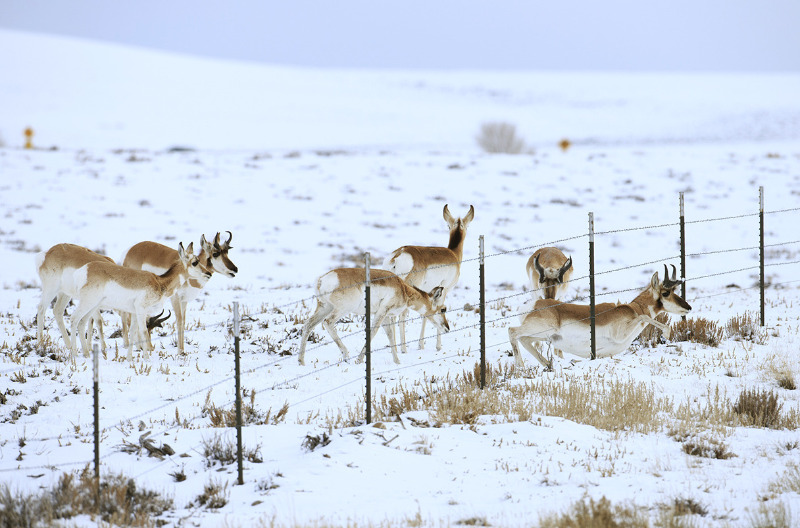
AI in the fight against fencing.
Source: Science
The miles of fencing crisscrossing the western US could stretch to the moon and back. Now scientists are using Artificial Intelligence to help them understand how these barriers affect migratory animals such as pronghorn antelope and mule deer.
Fences can be troublesome. Half of 45 collared pronghorns in Wyoming died last winter because fences and highways blocked them from seeking shelter. While some land managers and conservationists are removing fences or installing wildlife-friendly options, progress is slow.
Enter AI. With a 70% success rate in identifying fences in aerial photography, this promising tool could assist human observation in reducing fencing’s impact on wildlife.
[su_button url=”https://www.science.org/content/article/reduce-wildlife-deaths-caused-fences-scientists-are-turning-ai” target=”blank” style=”flat” background=”#638d3d” radius=”0″]Read the full article[/su_button]
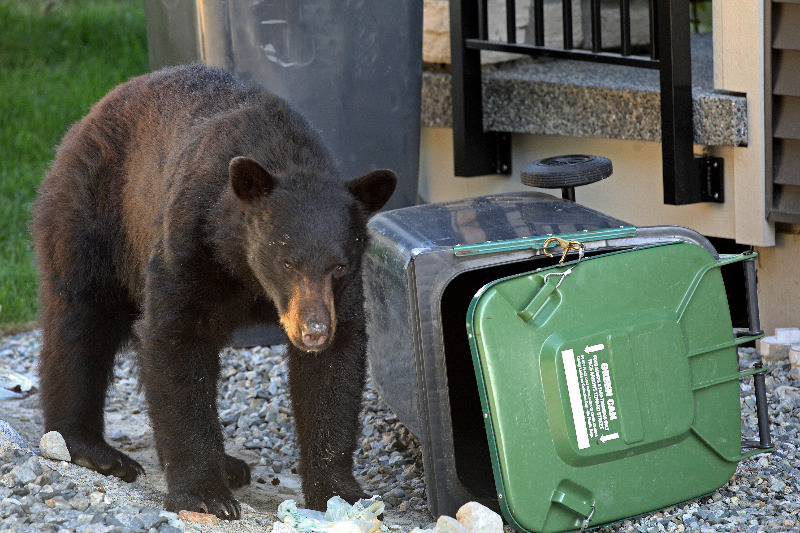
Black bear encounters surging.
Source: Newsweek
“Hey bear, hey bear.” More people than ever need to use this classic warning call to make black bears aware of their presence.
It’s a conservation success story. A new report says that black bear numbers are increasing in 18 states, resulting in more than 46,000 reported bear “incidents” in 2022. With an estimated 471,000 of these curious and powerful animals across the US, and almost 350 million Americans, human-bear coexistence is crucial. As a start, people can stop providing a “buffet” for bears, including bird feeders (bears love birdseed) and unsecured garbage cans.
[su_button url=”https://www.newsweek.com/bear-black-animals-wildlife-encounter-danger-conservation-1932743″ target=”blank” style=”flat” background=”#638d3d” radius=”0″]Read the full article[/su_button]
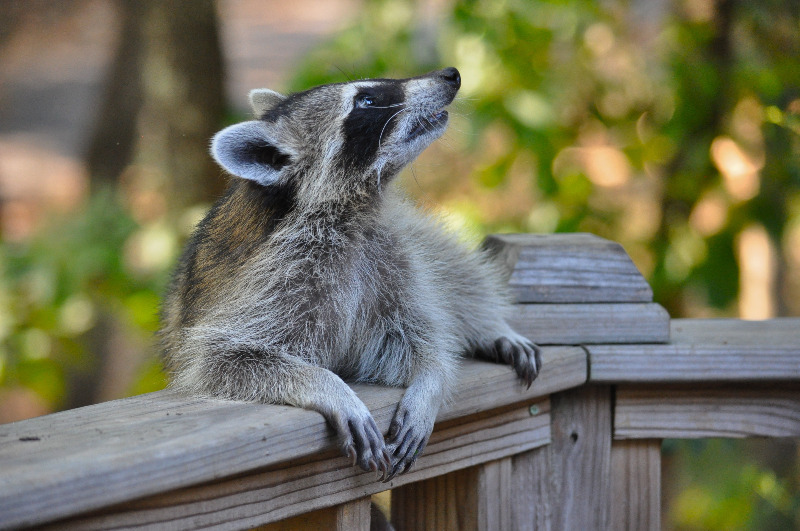
Think like a raccoon.
Source: Science
Ever wonder how those trash-raiding raccoons can thrive in urban environments? New research using puzzle boxes with latches sheds light on raccoons’ remarkable dexterity and intelligence.
Beyond demonstrating their ability to overcome complex challenges, the experiments found that individual raccoons use a variety of problem-solving strategies, indicating impressive cognitive abilities. Understanding the genius and persistence of raccoons may be key to developing innovative raccoon-proof trash cans. The secret to outsmarting these clever creatures? Think like a raccoon.
[su_button url=”https://www.science.org/content/article/raccoons-show-surprising-problem-solving-abilities-urban-backyards” target=”blank” style=”flat” background=”#638d3d” radius=”0″]Read the full article[/su_button]
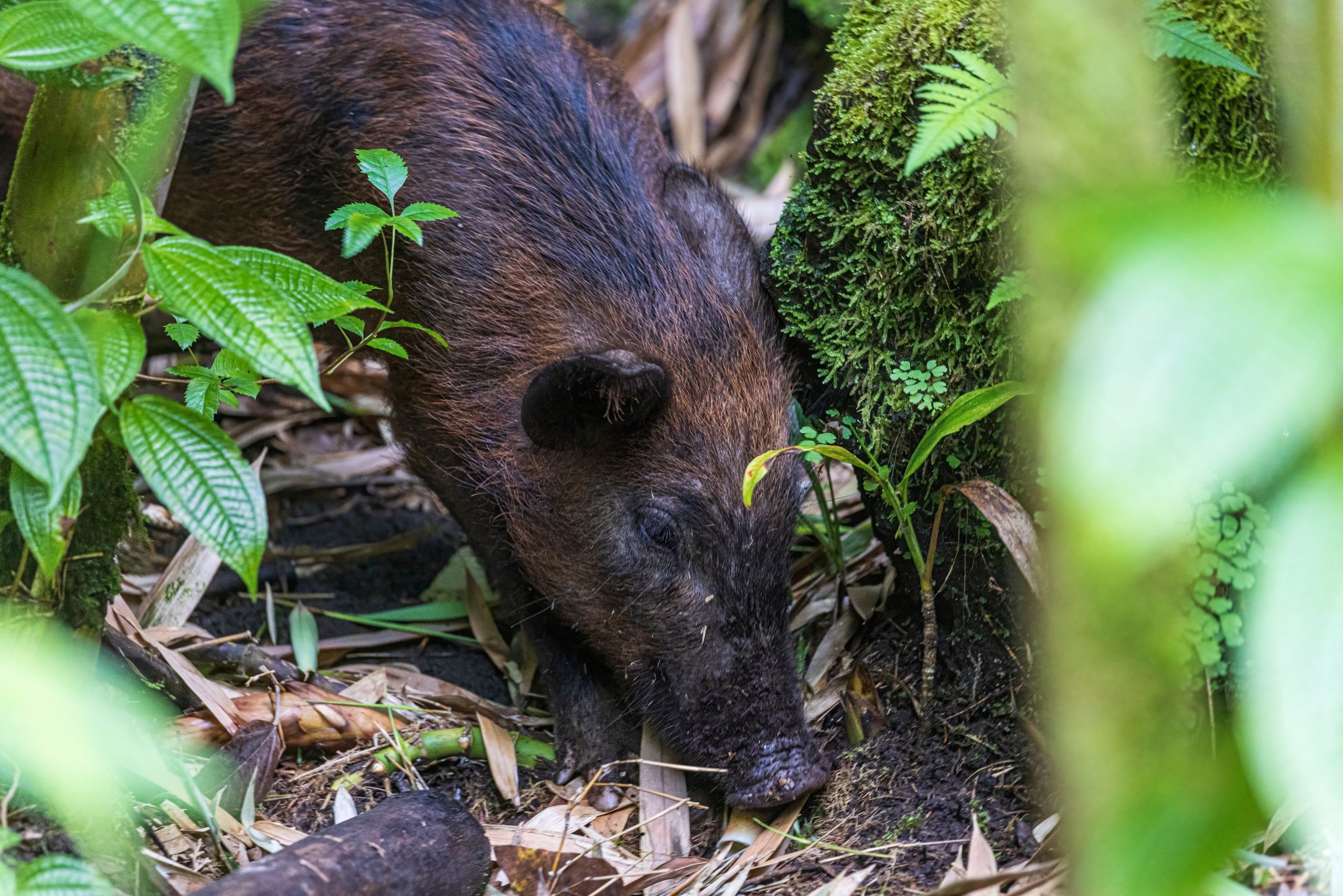
Feral pigs usher in destruction in Hawaii.
Source: The Wildlife Society
Hawaii is known for tolerance and fellowship, but the wild pigs introduced by Polynesians and then European explorers bring destruction. Adding to the long list of negative effects feral pigs have on native ecosystems, new research demonstrates that their foraging encourages invasive plants.
As pigs uproot native plants, which kills the plants, disturbs the soil and likely lets more sunlight reach the forest floor, other plants can rapidly take over. These are often non-native invaders that cause further disruption to unique and fragile ecosystems in this tropical paradise.
[su_button url=”https://wildlife.org/feral-pigs-may-usher-nonnative-plants-into-hawaii/?utm_medium=email&_hsmi=317309893&utm_content=317309893&utm_source=hs_email” target=”blank” style=”flat” background=”#638d3d” radius=”0″]Read the full article[/su_button]
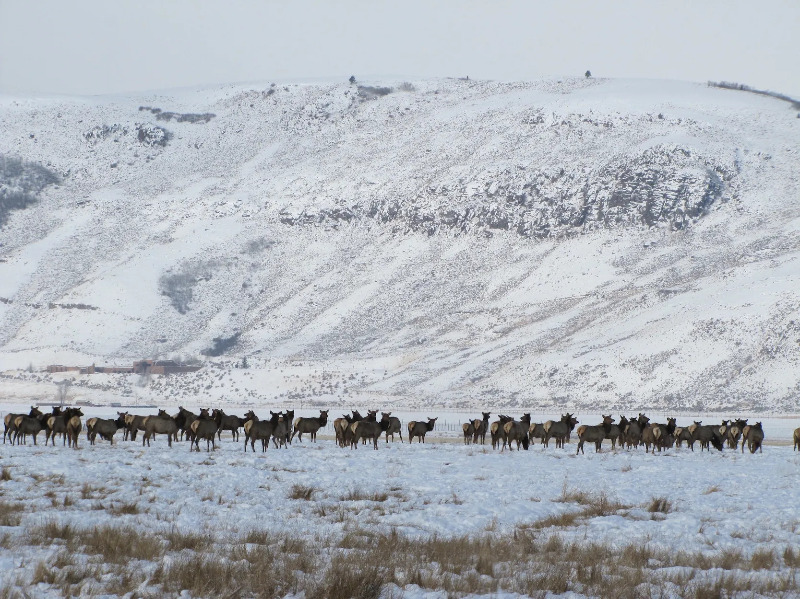
Montana landowners lock antlers with hunters and state agencies.
Source: Outdoor Life
A recent courtroom showdown marks a milestone in private elk management in Montana. A group of private landowners sued Montana Fish, Wildlife and Parks (MFWP), claiming that a Game Damage Program requiring public hunting access is unconstitutional. However, siding with MFWP, the judge disagreed because participation in the program is voluntary. Plus, landowners can still remove elk on their own without using this program, so long as they fully exhaust all non-lethal options first. This decision reinforces the current balance between private property rights and public wildlife management in Montana’s complex human-wildlife landscape.
[su_button url=”https://www.outdoorlife.com/conservation/montana-landowner-elk-ruling/?utm_term=ODL%20-%20073124&utm_campaign=Outdoor%20Life_Newsletter_Actives&utm_source=Sailthru&utm_medium=email” target=”blank” style=”flat” background=”#638d3d” radius=”0″]Read the full article[/su_button]
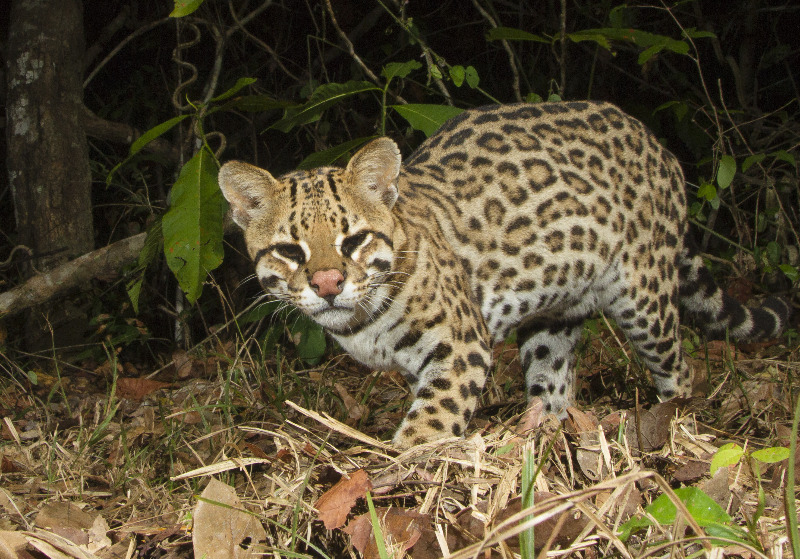
Unexpected visitor shows up on Arizona wildlife cameras.
Source: Phys.org
Imagine trekking across the heat-seared Atascosa Highlands of Arizona to check trail cameras. After sifting through hundreds of videos, it happens: an ocelot saunters into view and perches atop a rock.
Ocelots are critically endangered in Arizona, threatened by habitat loss and fragmentation. Only one other ocelot was found in the state in the past decade, but researchers were able to confirm that this observation—the first in the region in 50 years—was of a new cat. This rare glimpse raises more questions than answers, and excited researchers are delving deeper into the distribution of these elusive felines.
[su_button url=”https://phys.org/news/2024-08-rare-species-area-years-arizona.html” target=”blank” style=”flat” background=”#638d3d” radius=”0″]Read the full article[/su_button]
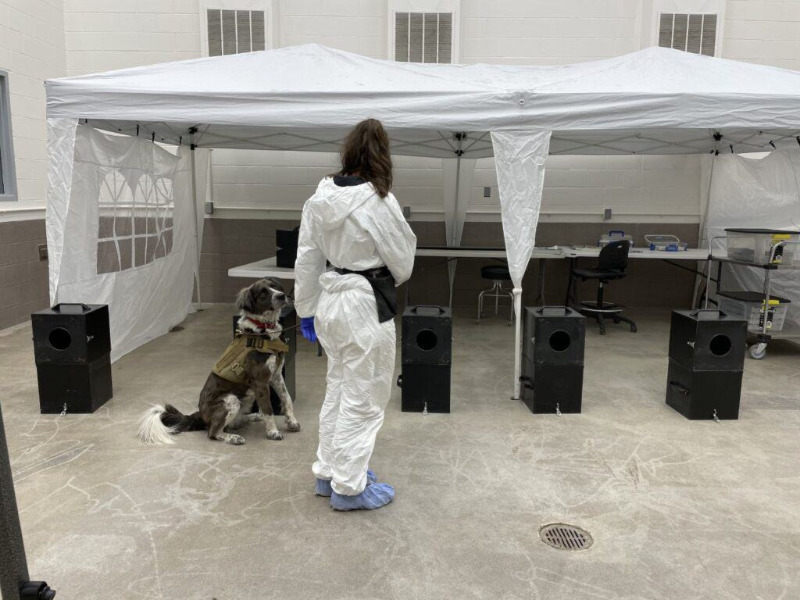
Dogs sniff out CWD.
Source: TWS
Fatal and highly transmissible, chronic wasting disease (CWD) is an ailment afflicting deer, elk, moose and reindeer accross 32 US states and 5 Canadian provinces. Traditional testing for CWD requires carcasses or a highly invasive procedure on living animals, but recent research suggests a new hope: doggy detectives.
Six trained canine professionals were able to detect CWD in fecal samples from contaminated animals 90% of the time. This breakthrough could revolutionize disease management in captive herds, but the investigators are also envisioning using dogs at check stations or baiting stations to look for CWD in wild populations. If successful, a canine crew could be the key to protecting wild animals from this emerging and deadly threat.
[su_button url=”https://wildlife.org/dogs-may-be-key-in-detecting-cwd-infection/” target=”blank” style=”flat” background=”#638d3d” radius=”0″]Read the full article[/su_button]
AFRICA
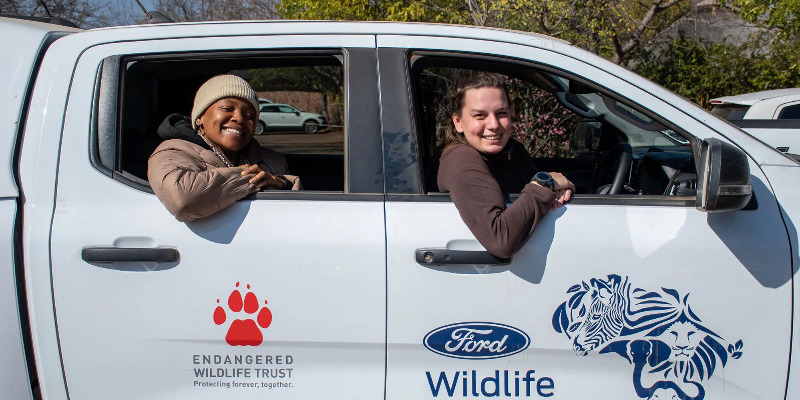
Women in the lions’ den.
Source: Daily Maverick
The setting: South Africa’s vast and wild Kruger National Park. The mission: estimating the lion population. Lesego Mthethwa and Alison Govaerts patrol the park’s unpaved back roads for hours in a truck, armed with binoculars and keen eyes that can spot lions where others see only bush.
Living out of tents, surrounded by beautiful yet sometimes dangerous animals, the women are finishing up a three-month survey that would test anyone’s mettle. Despite the challenges, both are thrilled that their unique career paths are producing data with tangible benefits to African lion conservation.
[su_button url=”https://www.dailymaverick.co.za/article/2024-08-15-in-the-lions-den-the-women-who-count-krugers-big-cats/” target=”blank” style=”flat” background=”#638d3d” radius=”0″]Read the full article[/su_button]
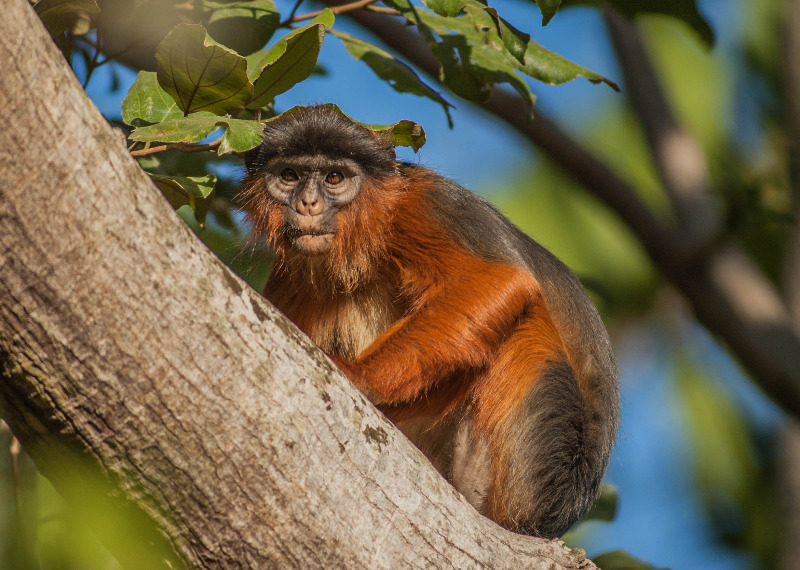
Protect the monkey, save the forest.
Source: The Conversation
If another reason were needed to protect Africa’s most endangered monkeys—the 17 species of red colobus—new research shows that safeguards against their extinction can protect entire tropical rainforests and all their inhabitants.
Even before gorillas, chimpanzees and elephants, red colobus are among the first mammals to disappear from a threatened forest. Conservation of this “monkey in a coal mine” thus protects vast and critical areas, an approach that has already paid off in Zanzibar’s only national park. Prioritizing red colobus as a flagship species may enhance protection of all African tropical rainforests.
[su_button url=”https://theconversation.com/red-colobus-are-africas-most-endangered-monkeys-protecting-them-will-also-safeguard-forests-233190″ target=”blank” style=”flat” background=”#638d3d” radius=”0″]Read the full article[/su_button]
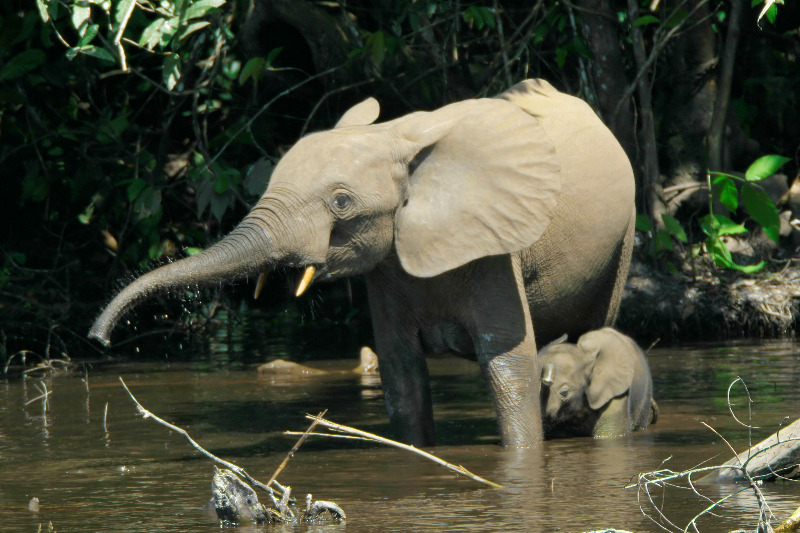
Nigeria takes steps toward protecting endangered elephants.
Source: Voice of America
The triple threat of human-wildlife conflict, poaching and habitat loss has Nigeria’s forest elephants on the ropes. In a response that coincided with World Elephant Day, August 12, Nigeria is implementing its first National Elephant Action Plan.
The plan’s eight main objectives range from enhanced law enforcement to conservation education and sustainable livelihoods. It focuses on farmer-elephant conflicts and Nigeria’s emergence, in the past decade, as a hub of the illegal wildlife trade. Coupled with a wildlife protection partnership with neighboring Cameroon, the campaign aims to ensure that Nigeria will always have elephants.
[su_button url=”https://www.voanews.com/a/nigeria-unveils-first-national-protection-plan-for-endangered-elephants-/7741507.html” target=”blank” style=”flat” background=”#638d3d” radius=”0″]Read the full article[/su_button]
EUROPE

Stoat removal: The hunters become the hunted.
Source: BBC News
Did you know that the Orkney Islands’ stoat eradication project is the largest on an inhabited island worldwide? This aggressive predator, a type of weasel, arrived somehow from mainland Scotland around 2010; biologists say it can “kill prey much larger than itself and tends to kill more than needed, hiding the remains for later.”
After spending the British equivalent of more than $10 million on trapping 6,300 stoats since 2019 (using a 40-person team and dogs), the project has been awarded another $5 million-plus for the final push. Experts say complete eradication of stoats is crucial if Orkney is to remain a stronghold for native Scottish wildlife, including rare seabirds, hen harriers, curlews and the Orkney vole.
[su_button url=”https://www.bbc.com/news/articles/c624zgp5314o” target=”blank” style=”flat” background=”#638d3d” radius=”0″]Read the full article[/su_button]
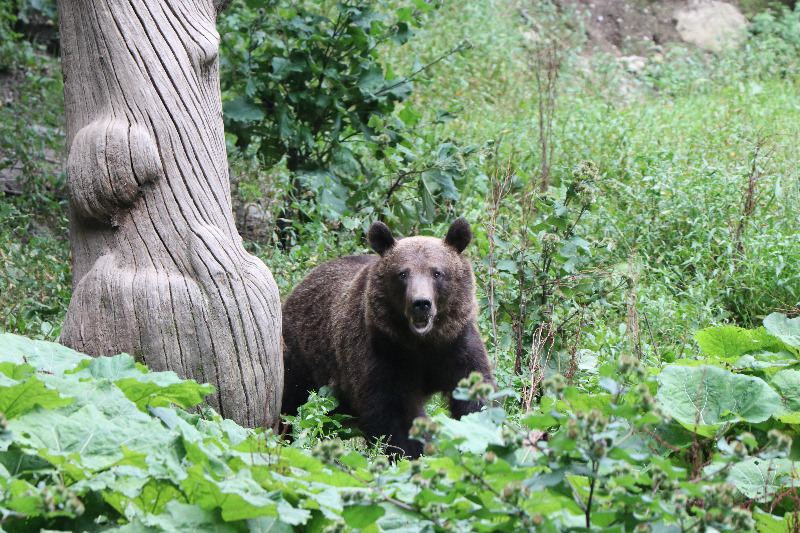
Will culling bears help prevent another mauling?
Source: BBC
How should officials respond to fatal bear attacks? After a 19-year-old hiker was mauled recently, Romania overturned its 2016 moratorium on bear hunting, reigniting a fierce conservation dispute. Some experts argue that human behavior, rather than the growth of the bear population, causes more conflict. They fear that hunters will likely target larger males, which (this is hotly debated) may be counterproductive because dominant males kill other males’ cubs.
Instead, conservationists recommend addressing the root cause: easy food access. One Romanian municipality cut bear incidents from 220 in 2021 to just three so far this year by removing fruit trees, using bear-proof trash bins and educating the public.
[su_button url=”https://www.bbc.com/news/articles/c8vd26m4r86o” target=”blank” style=”flat” background=”#638d3d” radius=”0″]Read the full article[/su_button]
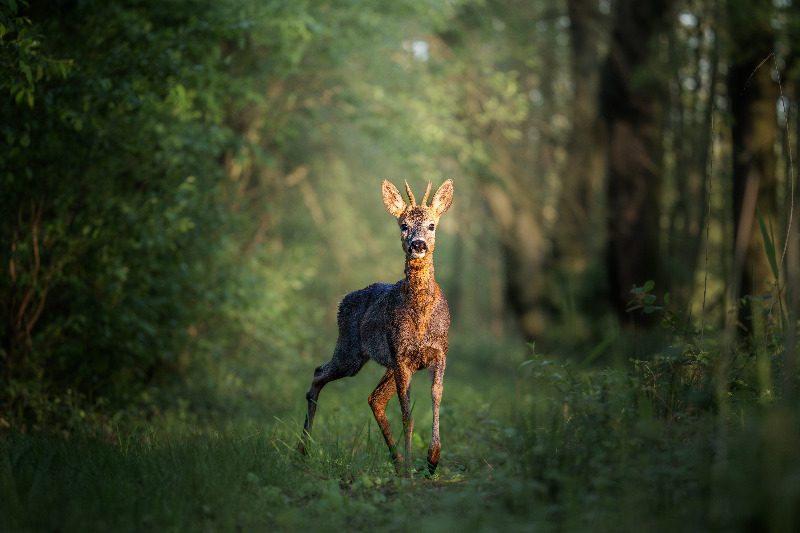
Rewild at heart.
Source: ScienceDaily
It’s a race against time to rewild prime areas before they become unsuitable! Thankfully, new research reveals that a quarter of Europe is ripe for rewilding, providing a roadmap for meeting the European Biodiversity Strategy’s goal to protect 30% of land.
Searching for relatively undisturbed, extensive tracts of land (>10,000 hectares) that harbor vital species, researchers found that 70% of rewilding opportunities lie in Europe’s colder climates. For areas with healthy populations of key herbivores and carnivores, they recommend relying on natural recolonization. In contrast, reintroductions may be necessary for areas lacking these animals. Together, these passive and active strategies can transform the European landscape into vital conservation areas.
[su_button url=”https://www.sciencedaily.com/releases/2024/08/240815124218.htm” target=”blank” style=”flat” background=”#638d3d” radius=”0″]Read the full article[/su_button]
WORLD
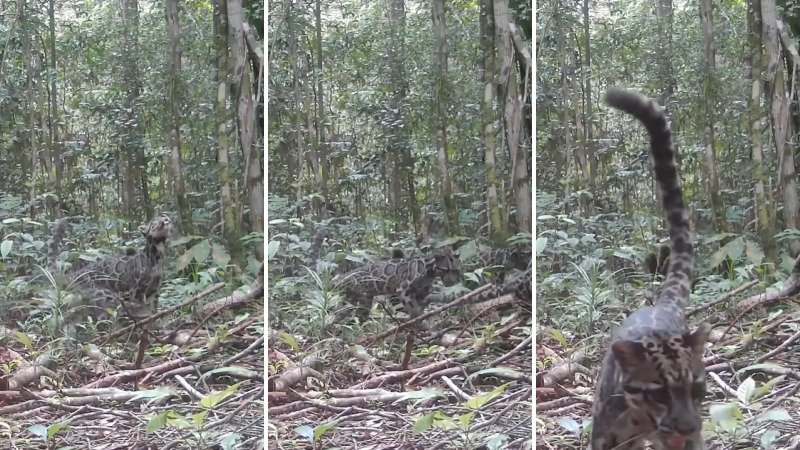
A glimmer of hope for the clouded leopard.
Source: Yahoo News
Deep in the forests of Borneo, the Orangutan Foundation captured rare video of three elusive clouded leopards—a mother and her two cubs. This semi-arboreal, long-tailed predator is facing habitat loss due to deforestation.
With only 5,000 to 11,000 of these cats left in Borneo and 3,000 to 7,000 in neighboring Sumatra, the clouded leopard population has declined by two-thirds in recent years. The problem is compounded by the fact that few adults produce offspring before age two. However, this sighting of a family unit sparks hope and highlights the role of trail cameras in conservation research.
[su_button url=”https://www.yahoo.com/news/trail-cameras-capture-first-kind-004500304.html” target=”blank” style=”flat” background=”#638d3d” radius=”0″]Read the full article[/su_button]
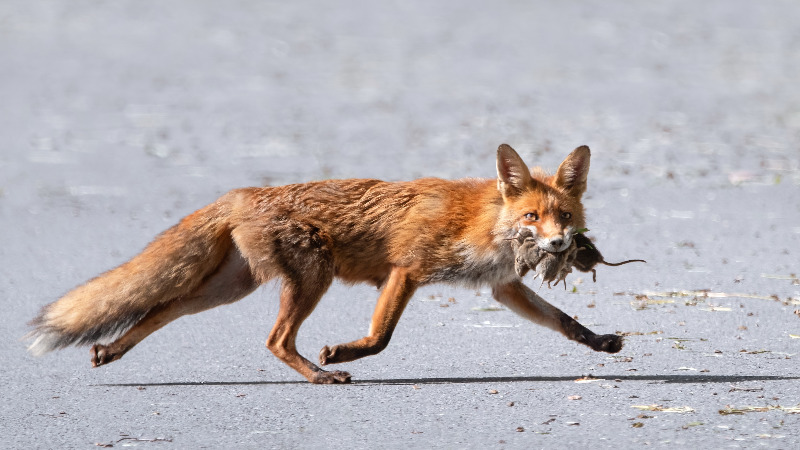
Rat poison is moving up through food chains.
Source: The Conversation
Rodents love human settlements, thriving where predators are controlled and food is plentiful. Humans fight back with poisons called rodenticides, but this has unintended serious consequences for wildlife.
Recent research found rat poison in about one-third of animals in 34 species around the world. The poison was linked to death in about a third of those cases.
Most of the research was done in North America, suggesting that the problem may be even worse in the rest of the world. In any case, to preserve predator populations while maintaining human health and safety, better rodent control measures are urgently needed.
[su_button url=”https://theconversation.com/rat-poison-is-moving-up-through-food-chains-threatening-carnivores-around-the-world-232471″ target=”blank” style=”flat” background=”#638d3d” radius=”0″]Read the full article[/su_button]
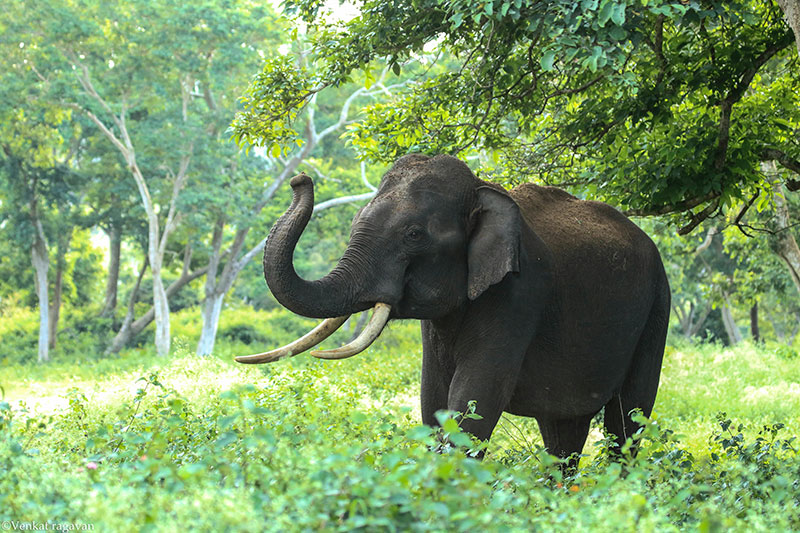
The elephant app: a tool for avoiding catastrophic encounters.
Source: CNN
India’s elephants and rural villages are in conflict as human expansion shrinks elephant habitat. Despite 100 national parks and 30 elephant reserves, the country’s 40,000 elephants faced an 86% decline in suitable land over the past 300 years.
On World Elephant Day, August 12, India renewed its pledge to protect these creatures. In a novel approach, the state of Assam, in partnership with a conservation group, launched an online “elephant app” to alert villagers of approaching herds, aiming to reduce fatal encounters. Combined with other conservation approaches, the app may reduce human-elephant conflict and help conserve India’s wildlife.
[su_button url=”https://www.cnn.com/2024/08/14/world/india-elephant-stampede-app-assam-intl-hnk/index.html” target=”blank” style=”flat” background=”#638d3d” radius=”0″]Read the full article[/su_button]