
When thinking of foraging, a few things might come to mind. A silent and post-midnight raid of the pantry for a cobbled together snack, the classic scene in The Hunger Games where Katniss almost eats a deadly wild berry, or even cooking shows that throw master chefs into the forest to source ingredients for their next Michelin Star dish. The reality of wild foraging is more realistic than you may think, and it can easily become a part of our daily lives. To get started, we first have to step outside.
Foraging is an ancient practice that teaches humans how to read the language of the land. The rich history of foraging can be found in indigenous communities all over the world and is still embedded in cultures, recipes and traditions that we cherish today. It can sound confusing and reverential, but it doesn’t have to be; if you’re curious about the plants around you and how to use them in your everyday life, here’s where to start.
The best way to ensure some fantastic foraging is to first do some research. Knowing what plants you’re looking for and how to properly identify them will be the deciding factor between joyful taste buds from new wild flavors and a swollen tongue from eating something, well, unsavory. Learning from experienced foragers and reading books like Sam Thayer’s Field Guide To Edible Wild Plants and Native American Food Plants will surely help. Knowledge is the best tool to have in your foraging pack!
Here are some commonly foraged favorites that might be near you.
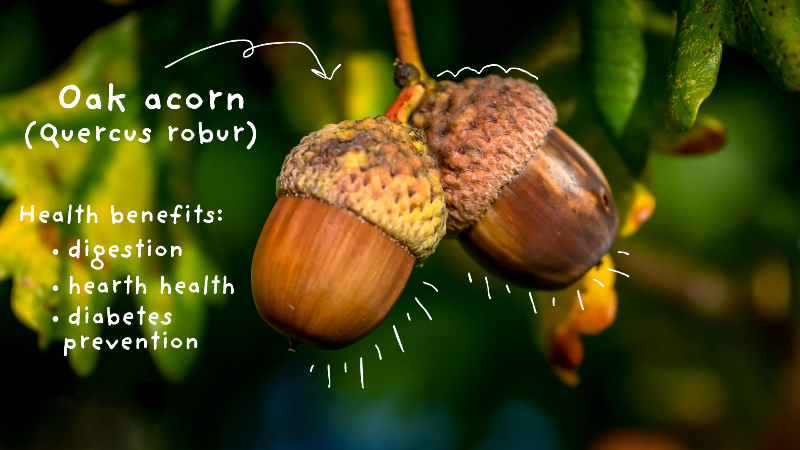
The common oak acorn (Quercus robur) is a great source of protein and can even be ground up and used as a flour substitute. White oak acorns have the least tannins and are less bitter, and thankfully for us, all species of acorns are edible. The best season to be on the lookout for acorns is autumn—September through October—so you might have to battle a few squirrels on the way to secure a good harvest of this iconic tree nut!
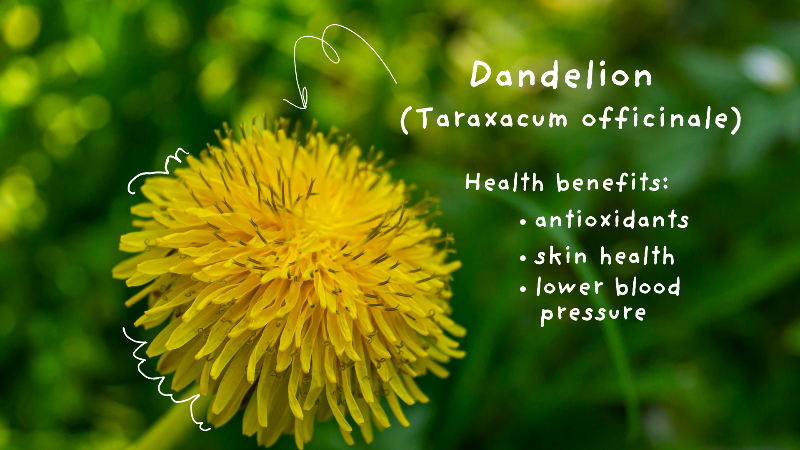
On any stroll through the suburbs or the local park, you are surely destined to find patches of wild dandelions (Taraxacum officinale). Though despised by most homeowners, these weeds can definitely be foraged and eaten. Containing lots of vitamins and minerals, all parts of this plant are edible! The green leaves can be added to salads or cooked down, the roots can be roasted and brewed as a coffee substitute and the yellow flower makes for a sweet tea.
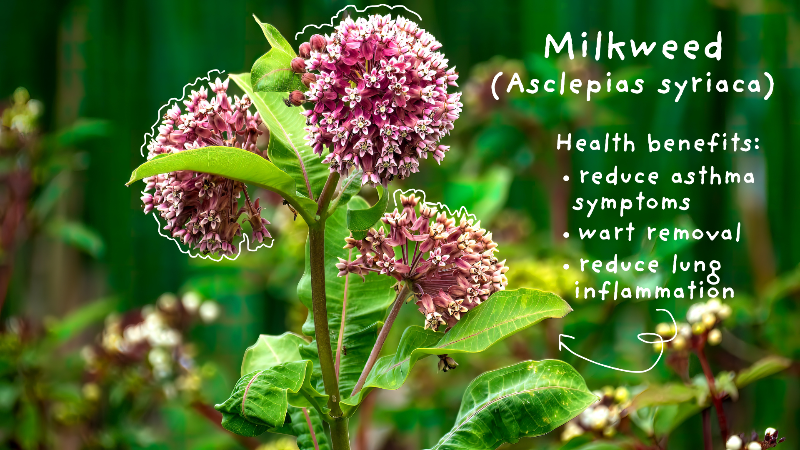
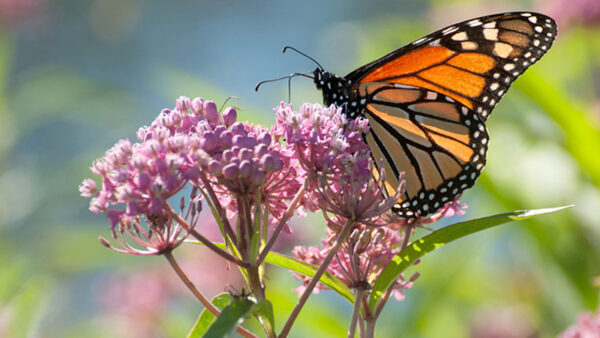
Common Milkweed (Asclepias syriaca) is a classic plant that you can find just about anywhere in North America. Known for being a favorite of Monarch butterflies, milkweed can also offer medicinal benefits to humans. The flowers can be dried and steeped into a tea, the shoots can be sauteed and enjoyed similarly to asparagus and the pods can be prepared like okra. Just be sure to thoroughly cook this plant first—it can contain some dangerous compounds if eaten raw!
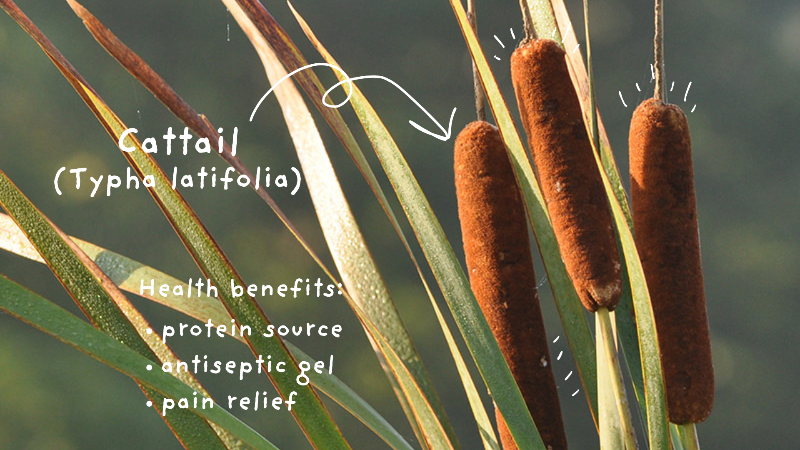
Looking exactly like their namesake, the broadleaf cattail (Typha latifolia) is also a sure indicator of nearby water. When trying to find this tasty plant, carefully examine the banks of any bodies of water and you’ll likely find it protruding from the shore. Pickle the shoots for a pantry-safe snack, dehydrate the pollen for a baking substitute or enjoy the fresh unripe shoots in early spring.
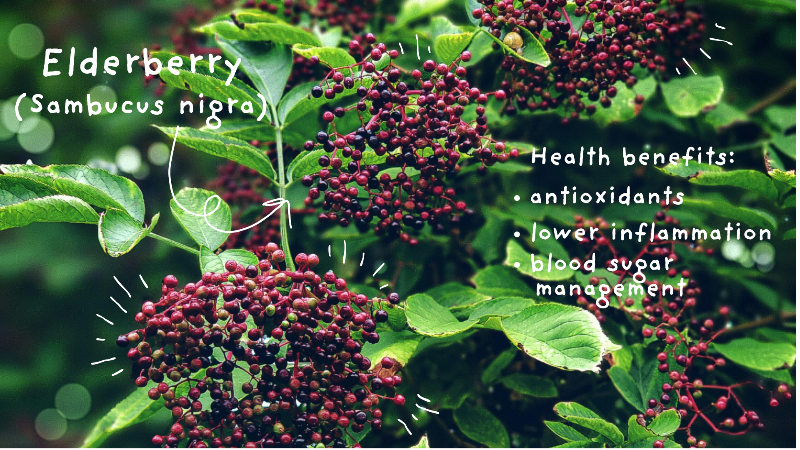
For this multifaceted fruit, both the elderflower and its berry (Sambucus nigra) are completely edible. Often found in fertile and damp soil, this plant is packed with antioxidants that make it a great ingredient in syrups, jellies, teas and even pies. Just be sure to never eat them raw and to add more sugar to the pot if you like a less-tart treat.
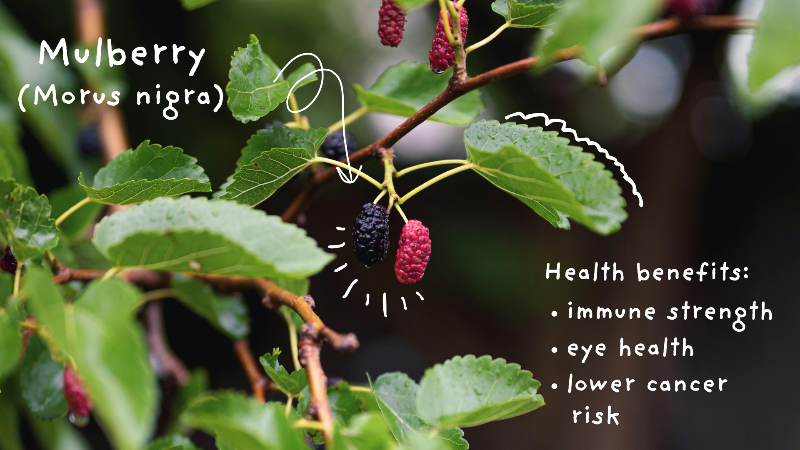
The mulberry (Morus nigra) can be found across the globe, with variants native to North America and China. This berry displays various colors depending on the variety, so be sure to know what you’re looking at before eating. Mulberries are great as jams or just fresh off the stem, and naturally contain vitamins that could help age-related health conditions.
Suppose you’ve safely identified a plant but are still apprehensive. Who wouldn’t be on their first try? Here are a few helpful tips for going about eating your wild harvest.
- Start small. It’s best to try a small amount of a foraged plant if you’re unsure. Cooking and eating small amounts gradually expose you to the plant and isolate how you react, which is especially smart in case you’ve ingested something harmful.
- Know it’s make-up. Being aware of what parts of a plant you can both eat and touch plays a huge role in keeping you safe. Some plants also may only have a short window in their maturation process where they are safely edible, so reading up beforehand can be crucial.
- Rule out anything odd. Plants or mushrooms with milky sap, spines, white or green berries, waxy leaves or thin hairs should be avoided. If it looks like the plant is warning you, it probably is.
- Trust your senses. Toxic food tastes bad for a reason. If you try something and it tastes sour, bitter or soapy, spit it out immediately. If you smell an almond scent before eating a plant, it’s best to steer clear too–it’s often an indicator of natural cyanide.
Foraging is an activity that lets you see the world in a different way. It allows you to interact peacefully with your local environment and communities with traditional foraging knowledge, all the while making you proud of yourself for your newly acquired natural skill. Let’s grab those baskets and get to discovering nature’s pantry!
Further Reading and Sources: