
It’s easy to get lost in the shuffle of our everyday lives. From our constant focus on work, homework, or social media, sometimes the thing we focus on the least but crave the most is the natural world. To understand it more, we can learn about a specific conservation practice that’s been around for thousands of years and has much statistical and cultural significance–wildlife harvesting.
What does “wildlife harvests” mean? Essentially, it’s the practice by professionals, cultural upholders, and licensed hunters to ethically harvest select animals. This can happen when an animal’s overpopulation threatens its natural habitat, when rural communities need reliable food sources, for maintaining culture and tradition or for other reasons.
Knowing that, let’s look at how it works in our global environment.
Risks of Overpopulation
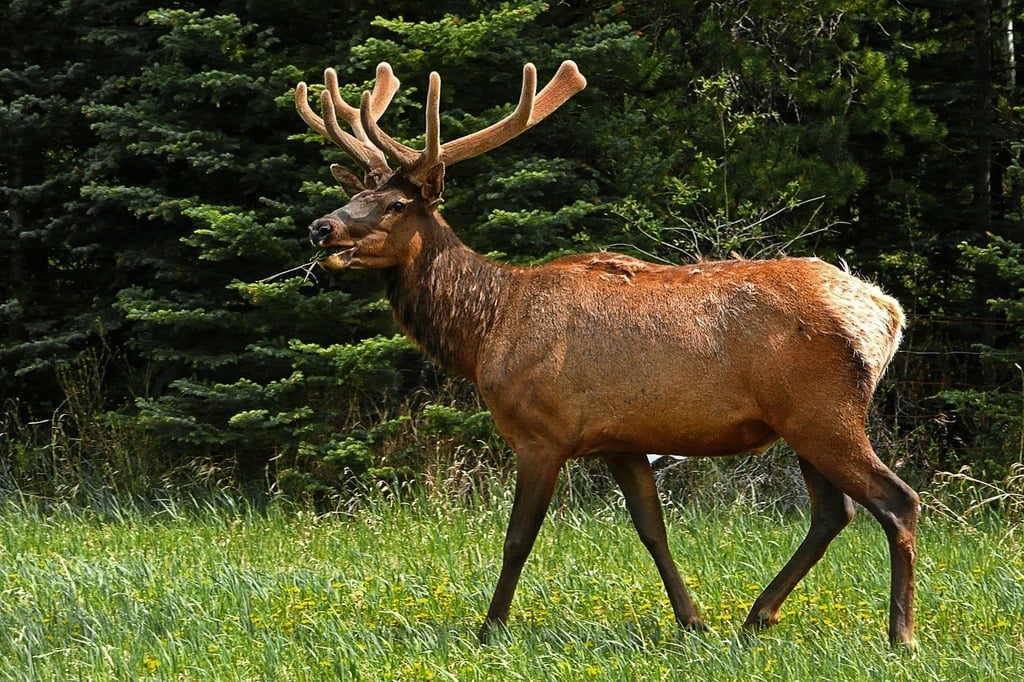
Overpopulation of certain animals curbs natural biodiversity of ecosystems by limiting available resources. North America’s white-tailed deer is a hallmark of natural beauty, but when its population grows, overabundance can threaten other animals as resources dwindle. Overpopulation also has a monetary impact, as the average costs spent in the United States from deer collisions with vehicles collisions is in the billions. Context-dependent regulations from state and local governments allow licensed hunters to help address issues of overabundance, resulting in increased biodiversity, safer roads, and bolstered donations to local food banks.
Conserving Natural Resources
In our daily routines, we often don’t think about how meat gets to the supermarket. According to a recent study, roughly 14.5% of humans’ total greenhouse gas emissions come from the processing and delivering of livestock for consumption. Alternatively, locally sourcing food from wildlife harvests can work to mitigate these emissions and is also a way to support the preservation of wild lands and conservation efforts of various species.
Disease Control
Harvesting not only protects human safety but also that of other animals. In wildlife populations that are overabundant, risk of disease is more like this. To counteract this, harvesting opportunities are used to reduce the population size, protecting overall health. Thanks to cooperation from state and federal wildlife agencies, researchers, and hunters, diseases such as bovine tuberculosis and chronic wasting disease can be better managed and sometimes reduced to nearly undetectable in select populations. Though not a cure-all, harvesting can be an effective step toward ensuring wildlife health.
Economics
Another way wildlife harvesting supports broad ecosystems is through economics. Expenditures from recreational hunting encourage a vibrant economy. The purchase of needed goods such as licenses and gear help hunters complete a successful harvest. It’s estimated that in 2022, American hunters and trappers spent nearly $45.5 billion on recreational hunting costs and in 2016, €5.47 million was spent in Spain for the same reason, ultimately supporting the equivalent of nearly 200,000 full-time jobs in their economy. That’s a lot of cash and jobs!
Culture
Wildlife harvesting has a cultural impact on communities globally. From companionship during hunting, to spending time together preparing meals, to breaking bread with families, harvesting has been historically significant. Harvesting is also central to Indigenous traditions, foodways, and personal identities that connect individuals to their broader communities and ancestry. Harvests ultimately serve several cultural roles, such as spiritual practices, reinforcing hunters’ personal values of environmental appreciation, and offering people a way to spend time in nature, promoting general health benefits.
Caveats
Though a conservation tool with many advantages, there are potential limitations. Unexpected consequences like travel emissions from game hunters, lead exposure from ammunition in animal harvests, potential foodborne pathogens, and effective management to prevent loss of biodiversity from over-harvesting must be used, as now done throughout North America and other parts of the world. Having a broad understanding of each local ecosystem–natural and social–is needed to ensure that no decision with nature on the line is made in a vacuum.
Learning about conservation practices like wildlife harvesting helps us better understand how we’re connected in a global ecosystem and see our behaviors’ effects on the wild. It might just reveal how to responsibly, ethically and knowledgeably conduct ourselves and our communities in the environment to conserve the vibrancy of the natural world.