
Much of animal research comes from what scientists are able to learn about the critter when they are left to their own devices. Though, if this natural state offers rich information, how are scientists able to retrieve any of that knowledge if the goal is to leave the animal be? It seems like a bit of a trick question.
To answer this, we can look at the practice of animal tracking.
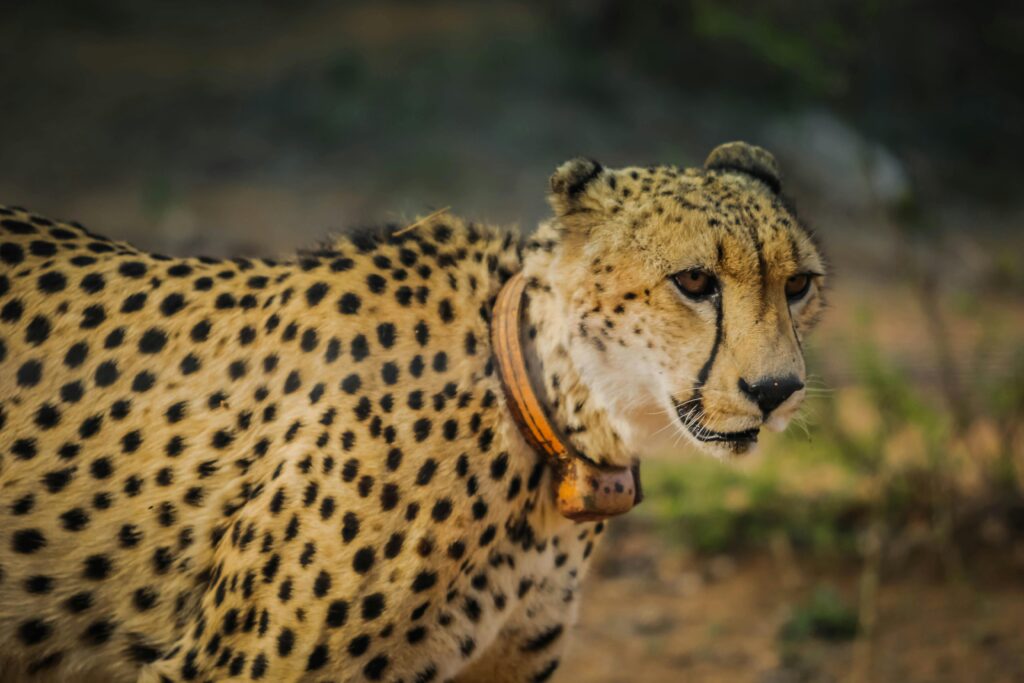
What? Animal tracking lets scientists can get a better understanding of animal behavior in the wild, which can better inform scientific practices, conservation efforts, public policies, and guidelines.
Why? There’s a lot to be learned from animals. Tracking helps scientists learn more about their movements in local areas, mass migrations, how they evolve through generations, and respond to environmental changes.
Where? This can happen anywhere in the world! If researchers are interested in a species, they can use species-specific means to monitor and track its movements across the globe.
How? There are several tools available to track wildlife. Here are some of the most popular:
- GPS: A receiver is placed on an animal and picks up signals from satellites. It calculates its location and sends information to new satellites that transmit the data back to the scientists.
- Tagging: Tags can be affixed to an animal that are tracked with different kinds of locating technologies like doppler radar, high frequency radio transmissions or geolocation loggers.
- Physical Markers: An animal has a physical identifier safely attached to it–such as a leg band or ear tag–and is then released. Researchers later recapture and observe the same animal, compare the band number, and assess the animal’s movement.
- Following Tracks: Before fancy equipment existed, people followed the footprints of animals to track them. There is a rich history and cultural importance embedded into the practice.
Who? Wildlife professionals are specifically trained to research animal tracking and recognize which type and tool is best for each animal.
Thanks to advances in the field, researchers have been able to get a clearer picture of what animals are up to when they roam. Using that information lets them uncover best practices when it comes to our natural neighbors and understand their behaviors to best conserve them.