
NORTH AMERICA

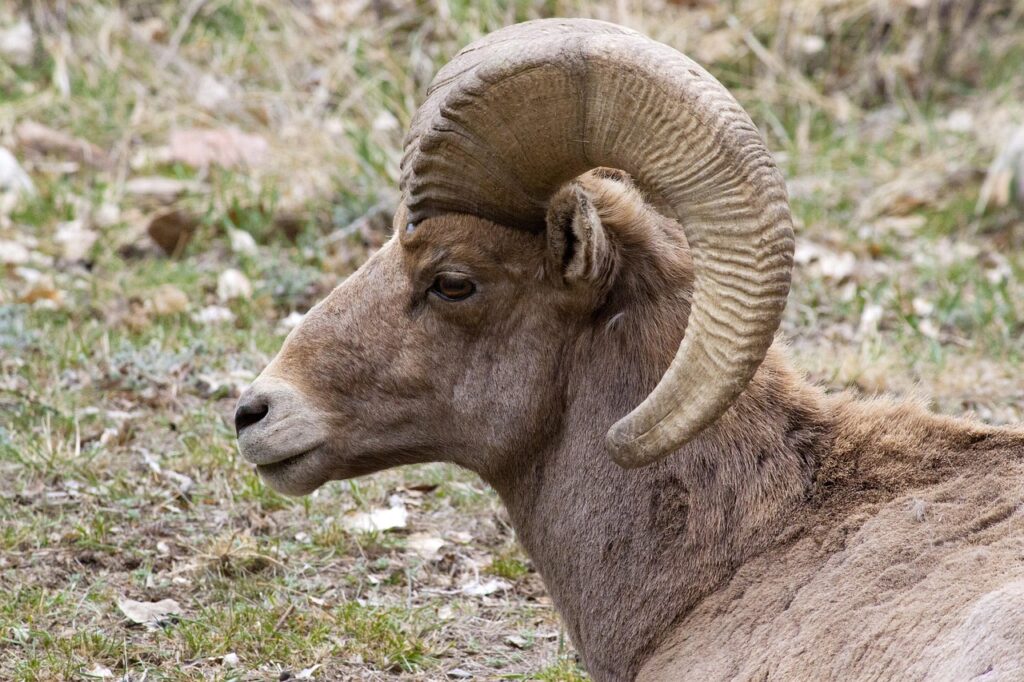
Bighorn Sheep Head Home
Source: Theodore Roosevelt Conservation Partnership
Members of the Theodore Roosevelt Conservation Partnership recently teamed up with biologists and wildlife managers to help the iconic bighorn sheep of the western United States. Saved from the brink by effective conservation and restoration efforts, the sheep now boast strong herd numbers in Idaho, Oregon and Nevada, thanks to transplanted sheep from California in the 1950s. Now to pay it forward, volunteers and researchers alike spent days cataloging and transporting descendants of these California sheep from Oregon to Nevada to strengthen other herds in the west.
[su_button url=”https://www.trcp.org/2025/02/12/field-notes-from-the-deschutes-a-day-with-california-bighorn-sheep/” target=”blank” style=”flat” background=”#638d3d” radius=”0″]Read the full article[/su_button]

Pittsburgh Takes Deer Management into Their Own Hands
Source: Pittsburgh Post-Gazette
Studies with the U.S. Department of Agriculture and the Pennsylvania Game Commission show that the city of Pittsburgh can only support 10 deer per square mile, far fewer than their current 51 deer per square mile. Regulated citizen hunts in city parks have helped manage the deer population, but professionally contracted sharpshooters are needed to bring the population to sustainable numbers. As an added benefit, the meat from these deer is donated to local food banks for people in need, following the program done in Syracuse, NY. Though helpful for reducing risks from deer-vehicle collisions and environmental damage, some residents are suggesting different approaches and are uncertain about the plan’s long-term effectiveness.
[su_button url=”https://www.post-gazette.com/news/environment/2025/02/06/white-tailed-deer-archery-hunt-pittsburgh-frick-schenley-usda-sharpshooter/stories/202502060108″ target=”blank” style=”flat” background=”#638d3d” radius=”0″]Read the full article[/su_button]
New Northern Michigan Moose Research Underway
Source: The Newberry News
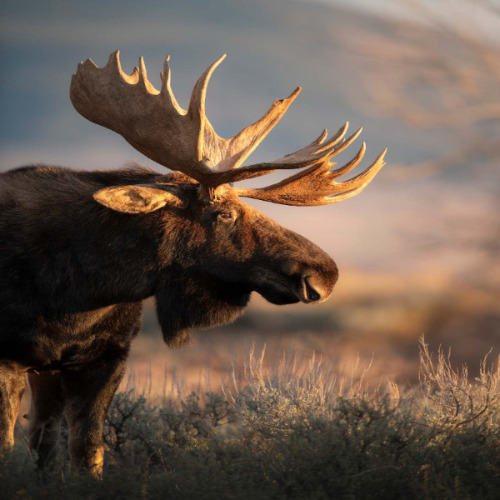
Moose are iconic symbols of Michigan’s Upper Peninsula and vital to the ecosystem and culture of the state’s northern latitudes. However, their static population has researchers concerned about the hurdles these animals may be facing. To uncover these answers, a new joint study among the Michigan Department of Natural Resources, Keweenaw Bay Indian Community and Northern Michigan University will conduct aerial surveys and information from GPS collars attached to moose to better understand the secrets of the forest’s antlered giant.
[su_button url=”https://mynewberrynews.com/outdoors/collaborative-u-p-moose-study-launched/” target=”blank” style=”flat” background=”#638d3d” radius=”0″]Read the full article[/su_button]
Cougar Caught in Unbelievable Viral Video
Source: The Cool Down
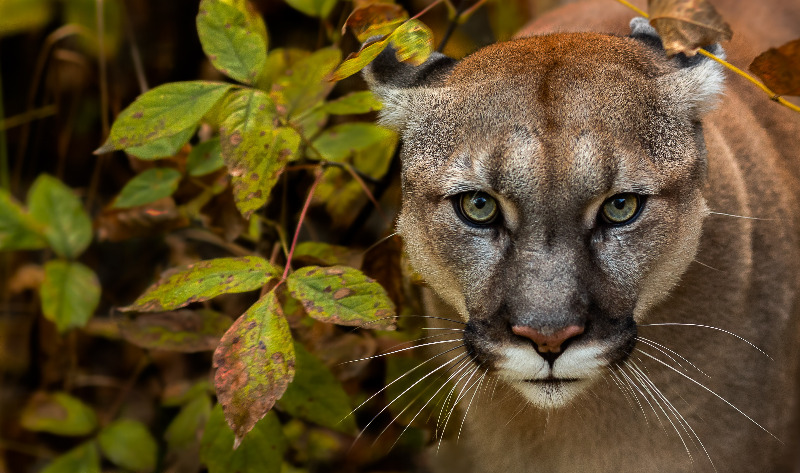
Though also known as panthers or mountain lions, what cougars aren’t known as is a big cat that likes water. This recently changed when a family excitedly spotted one just a foot from their backyard hot tub in Tofino, British Columbia! One person grabbed their phone and recorded the cougar with its’ classically reflective eyes along the tree line. Though no doubt a harrowing addition to a relaxing soak, British Columbia Parks commended the family and said that though encounters are rare, the best way to diffuse a cougar encounter is to back away slowly and make yourself appear as large as you can.
[su_button url=”https://www.thecooldown.com/green-home/cougar-hot-tub-tiktok/” target=”blank” style=”flat” background=”#638d3d” radius=”0″]Read the full article[/su_button]

Hunting May Halt Disease in Deer Herds
Source: The Wildlife Society
A new study from the U.S. Geological Survey and the Wyoming Game and Fish Department found that hunting maybe be a viable solution to controlling the outbreak of chronic wasting disease (CWD) in deer. The study followed 10 mule deer herds in eastern Wyoming that experienced various levels of hunting and found that the herd with the higher level of harvested bucks had lower levels of CWD. Though not a cure-all for the disease, researchers say that hunting as a management strategy can be advantageous to stopping the spread of sickness in deer populations.
[su_button url=”https://wildlife.org/deer-hunting-can-slow-spread-of-chronic-wasting-disease/?utm_medium=email&_hsenc=p2ANqtz-9rjm28qXu2Ims3IGyUXYzTvuO5YZiIhsDfngRZOuAsUNNTGFfQw1rmFvVQJPhWYHtJKRZoMDDHXiQwE8rXZt8uydroOg&_hsmi=348236031&utm_content=348236031&utm_source=hs_email” target=”blank” style=”flat” background=”#638d3d” radius=”0″]Read the full article[/su_button]
Grizzly Bear Management in Washington Gets Hairy
Source: KIRO Newsradio
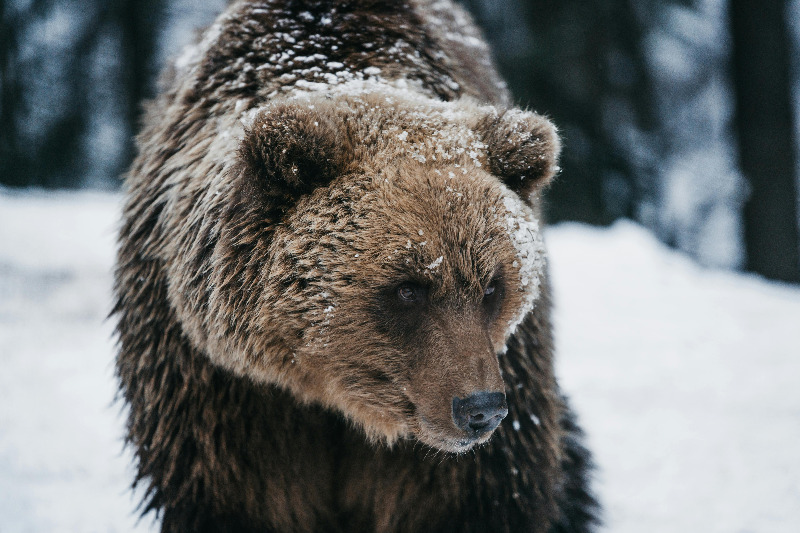
A new bill in the Washington legislature ignites controversy over a potential bear reintroduction in the Northern Cascades. This bill is to replace a 30-year-old bill that bars the state from participating in grizzly bear recovery efforts, which is managed by the federal government. Though the new bill wouldn’t immediately bring the furry giants back to the Cascades, it would allow wildlife conservationists to take in active role in planning bear recovery efforts. Some residents oppose the bill and are concerned for their livestock, livelihoods and community safety. Conversely, wildlife specialists and Indigenous representatives state that the bears belong back where they have co-existed with humans for generations.
[su_button url=”https://mynorthwest.com/mynorthwest-politics/grizzly-bear/4046367″ target=”blank” style=”flat” background=”#638d3d” radius=”0″]Read the full article[/su_button]

Colorado Bighorn Sheep Round Up
Source: BroBible
“Well, how else would you do it?” seems a valid question surrounding the science-based best practice for wrangling sheep herds. Requiring large nets, gloves and some courage, Colorado wildlife officials have recently conducted a bighorn sheep capture and relocation program to strengthen and fortify surrounding herds, addressing a dip in current population numbers. Once the animals have taken the bait and are under the net, professionals capture then safely transfer them to their new home, a conservation method that has been practiced for nearly 80 years.
[su_button url=”https://brobible.com/culture/article/colorado-bighorn-sheep-captured-huge-net-wildlife-officials/” target=”blank” style=”flat” background=”#638d3d” radius=”0″]Read the full article[/su_button]

National Historic Park Newest Site for Legal Hunt
Source: Daily Record
Ordinarily, it’s illegal to hunt in parks classified as Historic Sites by the National Park Service, but part of New Jersey’s Morristown National Historic Park—a site from the days of the Continental Army—is set apart under a new federal program. As part of the White-Tailed Deer Management Plan and Environmental Assessment approved in 2017, the USDA Wildlife Services will deploy professional sharpshooters after the park’s visiting hours. The hunt aims to manage for a healthy deer population, address overgrazing of native plants, preserve the site and reduce human-deer conflicts. All venison will be donated to a local food bank and the hunt is set to conclude later this month.
[su_button url=”https://www.dailyrecord.com/story/news/local/morris-county/2025/02/17/nj-morristown-national-park-deer-hunting-cull-jockey-hollow/78527998007/” target=”blank” style=”flat” background=”#638d3d” radius=”0″]Read the full article[/su_button]
AFRICA

Teamwork Might Bring Trade Benefits to All
Source: Patrol
A transfrontier conservation area is one that manages shared natural and cultural resources across multiple countries. One of these, the Kavango Zambezi Transfrontier Conservation Area, or KAZA, in southern Africa ensures that wildlife use benefits the environment as well as cultural and economic needs of the responsible countries. Researchers are considering ways to develop trade among the countries that benefit them equally. For example, conservationists wonder how South African countries might legitimize the elephant ivory trade to comply with international treaties, benefit economies and help KAZA’s elephant population.
[su_button url=”https://www.patrolling.org/can-ivory-trade-ban-be-circumvented/” target=”blank” style=”flat” background=”#638d3d” radius=”0″]Read the full article[/su_button]
Conservationists on the Counteroffensive
Source: Anthropocene
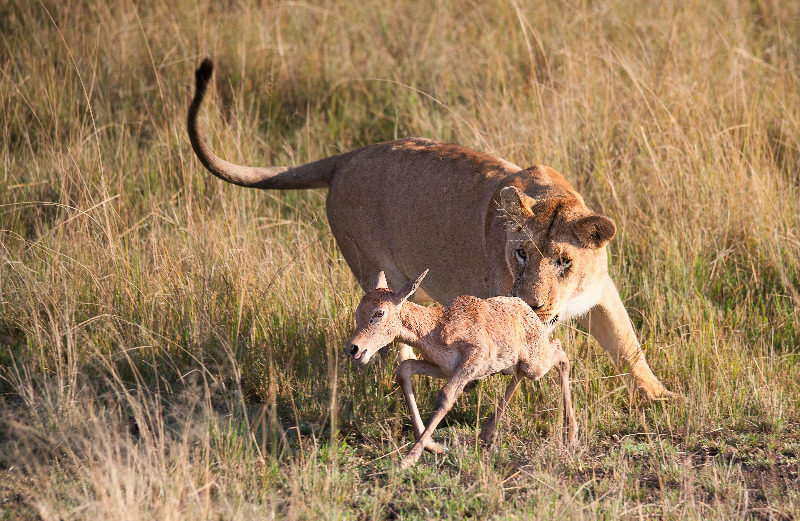
Resent research in Zambia shines a new light on population studies of top predators. Old models of conservation didn’t see prey availability as a main reason for top predator declines, but new work reveals there are strong connections between apex predator survival and availability of their prey. In Zambia, top predators like lions compete with poachers for prey, often taken for subsistence use by poachers. Researchers suggest that cracking down on illegal hunting could be an effective approach for increasing abundance of prey species as well as predator populations.
[su_button url=”https://www.anthropocenemagazine.org/2025/02/predators-are-running-out-of-prey-cracking-down-on-poaching-is-an-effective-counteroffensive/” target=”blank” style=”flat” background=”#638d3d” radius=”0″]Read the full article[/su_button]

Kenya’s Biodiversity Areas in Trouble
Source: Down To Earth
A report recently done on Kenya’s biodiversity reveals there may be trouble afoot for important environmental areas. Key Biodiversity Areas (KBAs) were the main focus of the report which found that most of Kenya’s 109 KBAs faced serious issues like drought, human development and deforestation that threatened biodiversity in these areas, some home to species that exist only in Kenya, further necessitating intervention from conservation specialists.
[su_button url=”https://www.downtoearth.org.in/africa/kenyas-biodiversity-is-facing-significant-threats-finds-report#google_vignette” target=”blank” style=”flat” background=”#638d3d” radius=”0″]Read the full article[/su_button]

Communal Farming Yield Success for People and Wildlife
Source: Patrol
Creating spaces free from human-wildlife conflicts can be key to successful interactions between people and their wild neighbors. In Mozambique, an anti-poaching advisory group is doing just that. The Mozambique Wildlife Alliance is piloting communal farm fields that honor the cultural importance of agriculture but also unite families. When wild elephants wander onto a field and cause damage, families used to push the animal onto the next field, but structuring communal lands allows for protective fences, teamwork and collective funding to support all families. These small but mighty farms are successful models of how communities can work to prioritize humans and wildlife at the same time.
[su_button url=”https://www.patrolling.org/creating-safe-spaces-for-people-and-wildlife/?ref=patrol-newsletter” target=”blank” style=”flat” background=”#638d3d” radius=”0″]Read the full article[/su_button]
EUROPE

Largest-Ever Wildlife Smuggling Ring Stopped
Source: INTERPOL
Located in Lyon, France, INTERPOL recently concluded an international mission that brought 138 countries together to halt wildlife and forestry smuggling. Operation Thunder, the joint venture between France’s INTERPOL and the World Customs Organization, seized nearly 20,000 live animals of protected or endangered species, arrested 365 people and identified six international criminal webs linked to this illegal trade. These kinds of operations allow investigators to get a better image of the realities of international wildlife crime and work to help customs enforcement stay one step ahead of lawbreakers.
[su_button url=”https://www.interpol.int/News-and-Events/News/2025/Nearly-20-000-live-animals-seized-365-suspects-arrested-in-largest-ever-wildlife-and-forestry-operation” target=”blank” style=”flat” background=”#638d3d” radius=”0″]Read the full article[/su_button]

Spanish Youth Expand Conservation Scope
Source: Rewilding Europe
Spain’s Iberian Highlands is home to wonderfully scenic views and a newly formed rewilding collective. Rewilding Spain is a program that equips its volunteers with practical field know-how in conservation and an appreciation for wildlife work. By doing projects like animal tracking and population monitoring, ambassadors can better understand their own environment, history and culture, and gain appreciation for conservation. The program intends to show how rewilding can support nature and humans in harmony and get more young ambassadors involved in the world of nature stewardship.
[su_button url=”https://rewildingeurope.com/news/volunteer-programme-inspires-rewilding-ambassadors-in-the-iberian-highlands/” target=”blank” style=”flat” background=”#638d3d” radius=”0″]Read the full article[/su_button]

Grazing for Goodness: Czech Animals to the Rescue
Source: European Wildlife
Two young Auroch bulls recently left their sanctuary in the European Serengeti reserve near Prague, Czech Republic for a new home. Having been transferred to the town of Krnov in the Moravian-Silesian Region, the bulls will join two other Aurochs and three wild horses already in the area. The task for these animals is to help restore this ecosystem and increase in numbers, which will help bring back vibrancy to the area, a former military training ground. Home to several protected species of flora and fauna, wildlife professionals hope the animals will help restore the land.
[su_button url=”https://www.eurowildlife.org/news/two-young-aurochs-have-left-european-serengeti-for-the-large-herbivore-reserve-on-the-czech-polish-border/” target=”blank” style=”flat” background=”#638d3d” radius=”0″]Read the full article[/su_button]
WORLD
Triumph for Tiger Numbers in India
Source: Phys.org
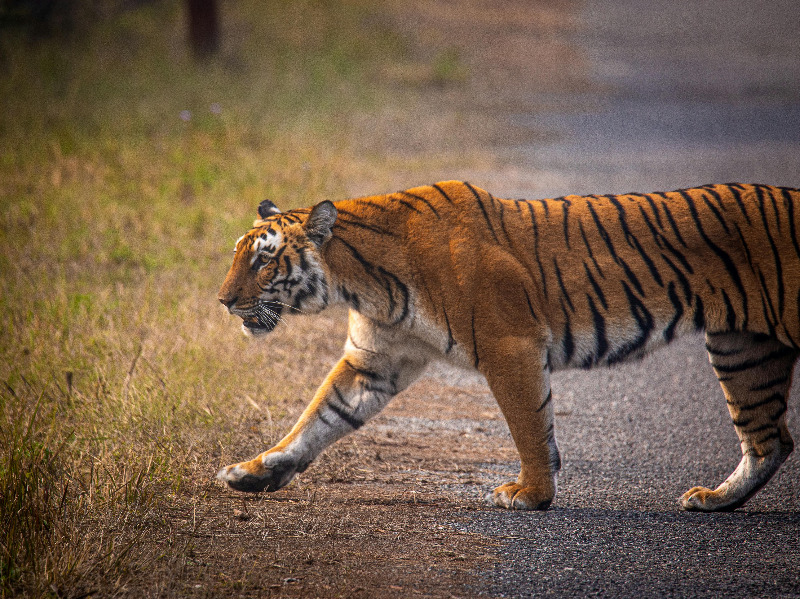
A recent study indicated that India successfully doubled its tiger population in a little over a decade. Some of the tiger’s biggest threats were poaching, habitat loss, decreasing prey availability and human-wildlife conflict, but thanks to dedication from local communities and conservationists, tiger population numbers increased while conflicts with humans are on the decline. Tigers benefit from these improvements but human communities do as well, as increased photo tourism of the animals benefits local economies.
[su_button url=”https://phys.org/news/2025-01-india-tiger-population-decade-credits.html#google_vignette” target=”blank” style=”flat” background=”#638d3d” radius=”0″]Read the full article[/su_button]

Saving Pakistan’s Biodiversity
Source: Friday Times
Pakistan is covered with lush landscapes and natural wonders that make it ideal for wildlife biodiversity. From the Himalayas to flowing freshwater rivers in lowland areas, there are thousands of species that call this country home. However, due to increasing threats like deforestation and other human actions, these environments are seeing adverse changes including a loss in wildlife diversity. Conservationists suggest changes such as increasing the number of protected areas, reforestation, wildlife education for locals and strengthening wildlife laws are viable steps to reverse these losses.
[su_button url=”https://thefridaytimes.com/04-Feb-2025/can-we-restore-pakistan-s-dying-ecosystems” target=”blank” style=”flat” background=”#638d3d” radius=”0″]Read the full article[/su_button]

Social Media Pitfalls to Poaching Counterculture
Source: Phys.org
A recent study highlights how social media is used in wildlife poaching operations. A case study on illegal hunting in Lebanon illuminated the shocking extent to which poachers unabashedly posted about illegal hunts to Facebook, Instagram and TikTok. Researchers positively identified nearly 2,000 images, 94% of which were legally protected animals. Though these postings may incentivize hunters through positive reactions such as likes and follows, conservationists can use these posts as evidence to convict poachers and counter them by posting to educate people about the negative effects of poaching.
[su_button url=”https://phys.org/news/2025-02-poachers-social-media-reveal-alarming.html#google_vignette” target=”blank” style=”flat” background=”#638d3d” radius=”0″]Read the full article[/su_button]