
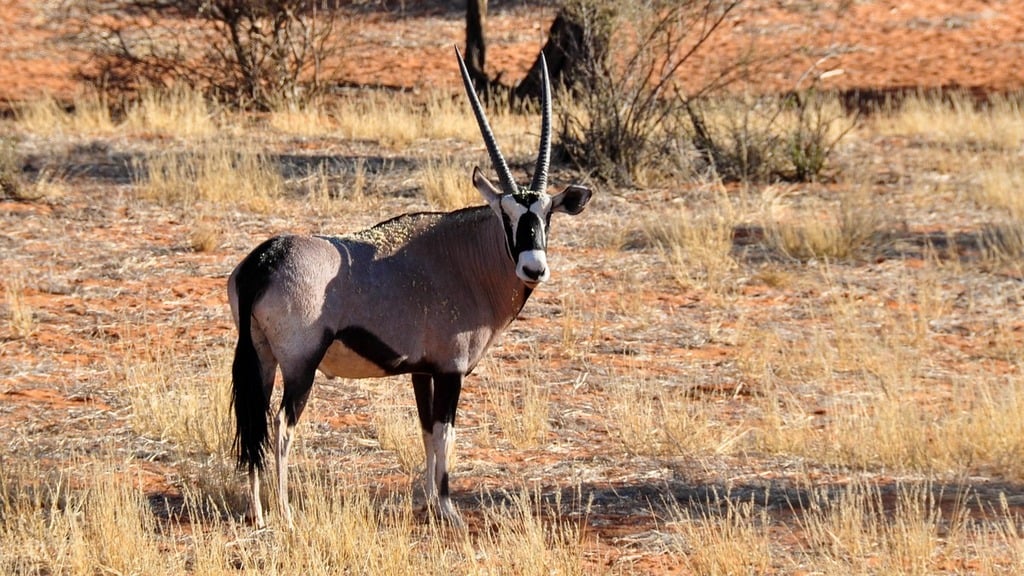

Namibia’s vast, dry landscapes are home to a fascinating variety of antelope species, each with its own clever ways of surviving in one of the toughest environments on Earth. Recent research has shed new light on how these animals manage to dodge predators and cope with limited water – revealing just how finely tuned their survival strategies really are.
Staying Safe in a Tough Terrain
In the arid regions of Namibia, antelope face two major threats: predators and a serious lack of water. Studies show that many species, like the springbok and kudu, adjust their movement patterns to avoid danger and conserve energy. Rather than roaming freely, they stick to areas where they have better visibility and a higher chance of spotting predators before it’s too late.
Interestingly, even waterholes – vital for hydration – can be risky. These spots often attract predators, so antelope tend to time their visits carefully, avoiding them during periods of high predator activity. It’s a delicate balancing act between staying hydrated and staying alive.
Built for the Desert
Namibia’s climate is no joke – high temperatures and scarce rainfall make survival a daily challenge. Some antelope, like the springbok, have adapted by getting most of their moisture from the plants they eat. This reduces their need to drink water directly, which is a huge advantage when water is hard to find.
Their ability to detect predators is also key. With sharp senses and quick reflexes, these animals can often spot danger early and make a fast getaway. Their agility and speed are essential for escaping threats in open, unforgiving terrain.
In research published in the Wildlife Society Bulletin, Nauyoma and his team investigated how antelope navigate and utilize the landscape in Mudumu.
Why It Matters for Conservation
Understanding how antelope behave and adapt to their environment isn’t just interesting – it’s vital for conservation. Knowing what influences their movements and survival can help conservationists design better strategies to protect them. That includes preserving important habitats and ensuring that water sources are accessible but safe from predators.
Relevant Reading | The Cost Of Conservation
A Story of Resilience
Namibia’s antelope are a powerful example of nature’s resilience. Their behavior reflects a delicate balance between survival, predator pressure, and the demands of a harsh climate. Ongoing research and strong conservation efforts are key to making sure these incredible animals continue to thrive in the wild.