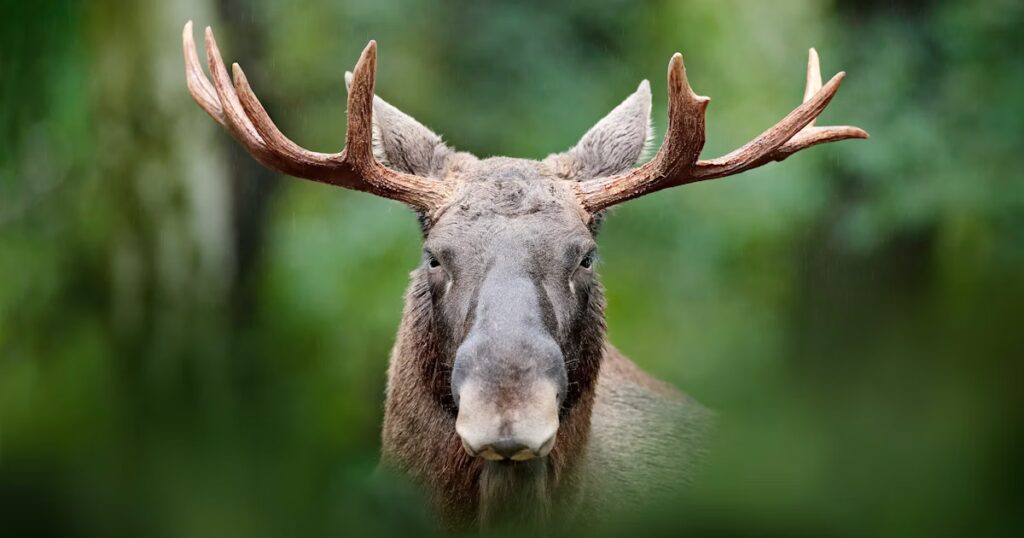

In a groundbreaking conservation effort, wildlife experts in the East Midlands are working to reintroduce the Eurasian elk to the UK for the first time in approximately 3,000 years. This ambitious project, led by the Nottinghamshire and Derbyshire Wildlife Trusts, has secured £15,000 in funding from Rewilding Britain to conduct feasibility studies on the elk’s return.
The Role of Elk in Ecosystems
Elk are considered “keystone” species due to their significant impact on the environment. Historically, they roamed across the UK, particularly in wetlands like the Trent, reed beds, pools, woods, and grasslands. Their presence helped maintain diverse habitats for various species. However, they were hunted to extinction during the Neolithic era.
Challenges and Public Engagement
One of the primary challenges is public perception. Many people are unfamiliar with the idea that elk were once native to the UK. To address this, the project plans to engage with local communities through consultations and educational initiatives. Drawing inspiration from the successful reintroduction of beavers, the team aims to inform and excite residents about the elk’s return.
Health and Safety Considerations
A crucial aspect of the project is ensuring that the reintroduced elk do not pose health risks to existing livestock. The funding will support disease risk assessments to study potential interactions between elk and local animals. This proactive approach aims to prevent any adverse effects on agriculture and local ecosystems.
Looking Ahead
The reintroduction of elk is part of a broader movement towards rewilding, which seeks to restore natural habitats and biodiversity. By reintroducing species like the elk, conservationists hope to create more resilient ecosystems that can support a wide range of wildlife. While challenges remain, the project represents a hopeful step towards restoring the UK’s natural heritage.
The effort to bring elk back to the UK highlights the importance of rewilding in modern conservation strategies. Through careful planning, community involvement, and scientific research, the project aims to restore a piece of the UK’s natural history and promote a healthier environment for future generations.