
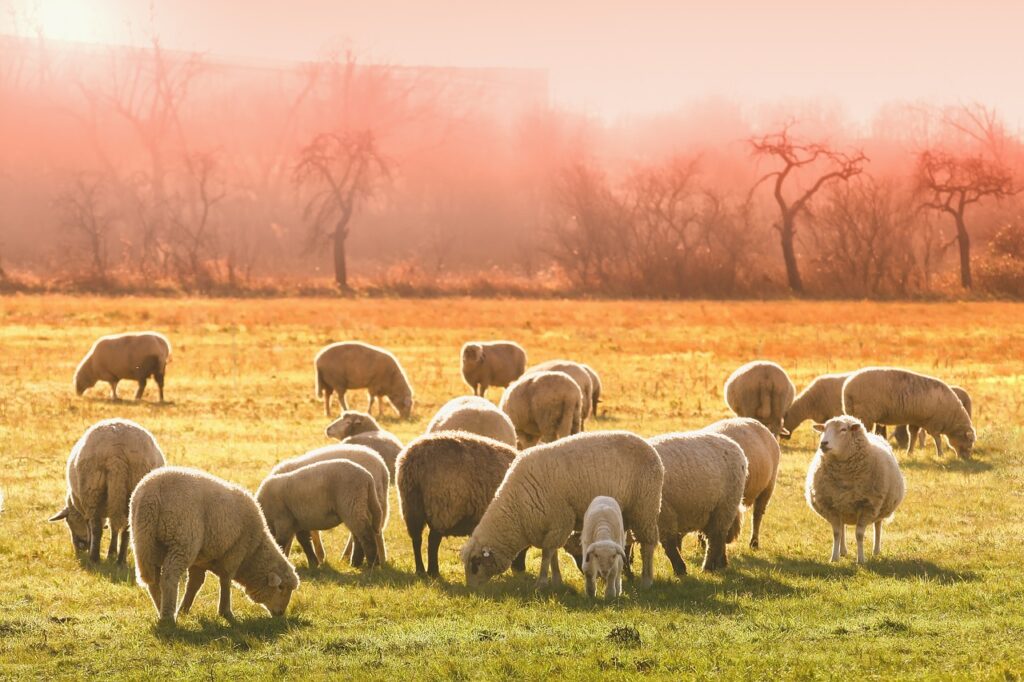

In a major win for wildlife conservation, the 10th Circuit Court of Appeals has ruled against the U.S. Forest Service’s approval of domestic sheep grazing in Colorado’s Rio Grande National Forest. The court found that the Forest Service violated federal law by downplaying scientific evidence that showed grazing posed a serious disease risk to wild bighorn sheep – an iconic and vulnerable species in the Rocky Mountain West.
At the center of the case was the Wishbone Allotment, a grazing area greenlit in 2018 despite warnings from government scientists years earlier. Studies in 2013 and 2015 flagged domestic sheep as a high-risk source of fatal pathogens – specifically Mannheimia haemolytica and Mycoplasma ovipneumoniae. These bacteria, which typically do not harm domestic sheep, can be devastating to wild bighorn populations. Infected bighorns can suffer pneumonia outbreaks that wipe out large portions of herds, sometimes resulting in long-term population collapse.
The court concluded that the Forest Service failed to follow its own risk assessments and misrepresented the potential for disease transmission. Conservation groups, including Western Watersheds Project and WildEarth Guardians, argued that the agency manipulated the science to justify continued grazing, endangering not only the bighorns but the ecological balance of the region.
This legal decision reinforces a broader truth: land management decisions must be grounded in credible science, not political or economic convenience. Public lands serve as habitat for countless native species, and decisions made today will echo for decades across ecosystems.
The ruling also reflects the power of environmental advocacy and legal oversight. Without the persistence of conservation groups and the backing of the judicial system, the risks to bighorn sheep may have gone unchecked. This isn’t just a victory for a single species – it’s a step toward more responsible stewardship of public lands.
Relevant Reading | The What And Why Of Wildlife Harvesting
Colorado’s Rocky Mountain bighorn sheep are not only a symbol of the state’s natural heritage but also a vital part of the local ecosystem. They deserve protection from preventable threats, especially those stemming from conflicting land uses like livestock grazing.
This case serves as a reminder that conservation isn’t passive – it requires active defense against short-sighted policy decisions. As we look toward the future, ensuring that public land policies are shaped by evidence and ecological integrity is crucial.
Wildlife and wild places can’t speak for themselves. Thankfully, in this case, the court did.