
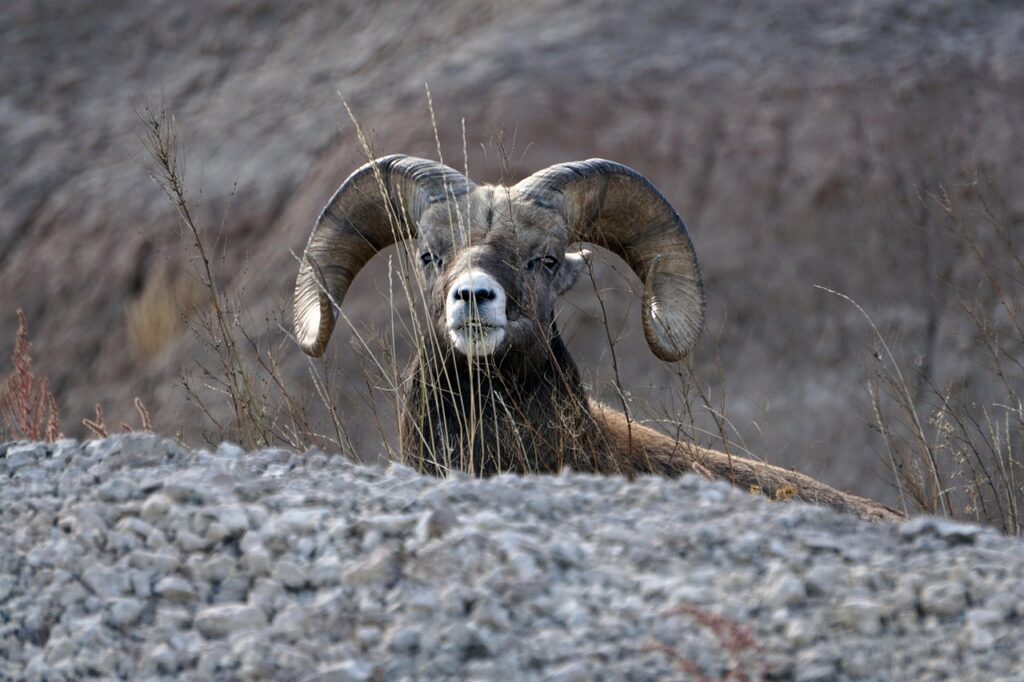

In the harsh, sun-scorched landscapes of the American Southwest and northern Mexico, one animal has come to symbolize grit, grace, and survival: the desert bighorn sheep (Ovis canadensis nelsoni). With their iconic curled horns and sure-footed poise, these sheep are not only a visual marvel but also a conservation success story in progress – one that speaks to the power of adaptive resilience and dedicated stewardship.
Desert bighorns have evolved to live in some of the most unforgiving environments on the continent. From the rocky slopes of the Mojave Desert to the canyonlands of Arizona, they inhabit rugged terrain where few large mammals dare to roam. These sheep are masters of water conservation, capable of surviving long stretches without direct water sources by drawing moisture from native desert plants. Their hooves and agility allow them to traverse steep rock faces with ease, a skill that helps them evade predators such as mountain lions.
Despite their incredible adaptations, the desert bighorn has faced serious challenges. Over the past century, their populations declined sharply due to a combination of habitat fragmentation, disease transmission from domestic livestock, and unregulated hunting. By the mid-20th century, they were absent from large parts of their historical range.
That decline, however, galvanized conservationists, state wildlife agencies, and Indigenous communities into action. Translocation programs have reintroduced bighorn sheep into former habitats, while wildlife corridors and artificial water sources have been developed to support herd sustainability. Disease management efforts, particularly around pneumonia outbreaks linked to domestic sheep, continue to be a major focus of conservation work.
These efforts have seen positive results. In some regions, desert bighorn populations have stabilized or even grown. Their story is a reminder of the complex interplay between human development and wildlife survival – and how proactive conservation strategies can make a tangible difference.
But the work is far from done. Climate change, increasing urban development, and recreational pressure on desert ecosystems remain significant threats. Continued vigilance, adaptive management, and public support are essential to ensure that these incredible animals remain a permanent part of the desert landscape.
Relevant Reading | Bighorn Sheep: Where Management Meets Preservation
The desert bighorn sheep is more than just a symbol of the American West – it’s a testament to the resilience of wildlife and the enduring impact of conservation partnerships. With continued effort, we can ensure future generations get to witness these majestic animals navigating the rocky ridges of their ancestral home.