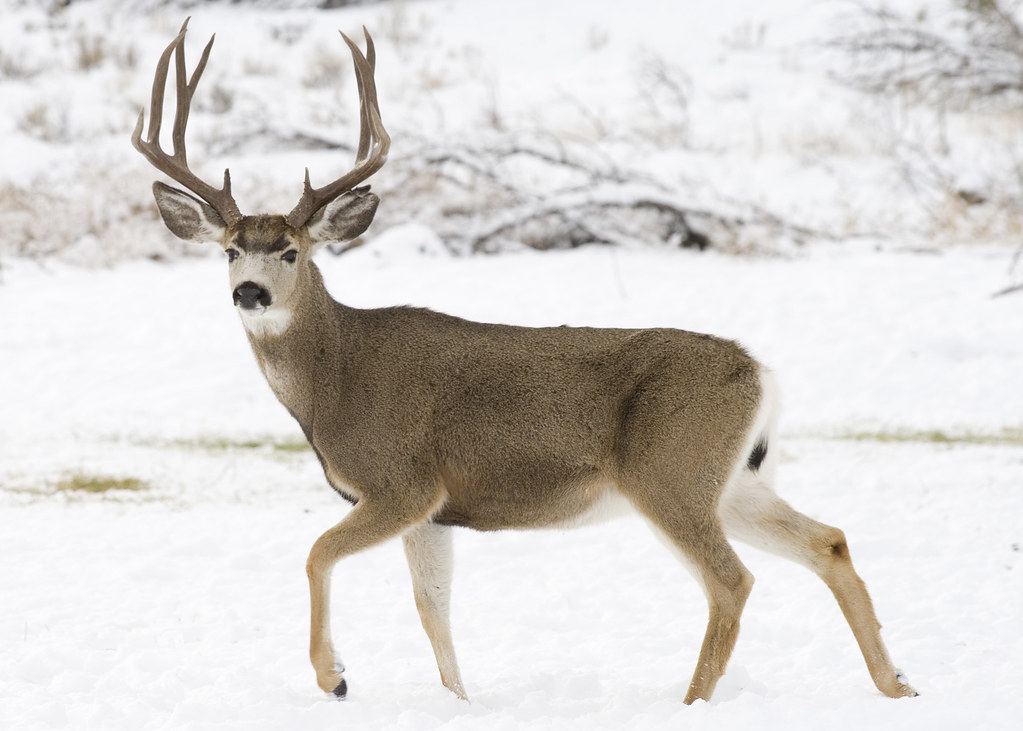

Across the rugged landscapes of the American West, are more than just a game species – they’re a keystone of wild ecosystems and a symbol of Western heritage. But in the last few decades, mule deer populations have dropped sharply in several states – Colorado, for example, saw a decline from over 600,000 deer in the early 2000s to around 400,000 today. Reversing that trend will take science-based strategies and a collective commitment from local communities and conservation groups.
Why Mule Deer Matter
Mule deer are critical to the health of western habitats. As primary herbivores, they influence plant diversity and provide sustenance for predators like mountain lions, bears, and coyotes. Their seasonal migrations – some spanning more than 150 miles – connect mountain ranges, sagebrush basins, and desert plateaus, acting as ecological linkages across the region. When mule deer thrive, entire ecosystems benefit.
The Challenges They Face
Mule deer populations have been falling in states like Wyoming, Utah, and Nevada, largely due to habitat loss, climate pressures, and human encroachment. In Wyoming alone, some herds have declined by more than 30% since 1990. Drought and wildfires degrade forage, while expanding suburbs, highways, and energy development fragment migration corridors. Add to that the rise of diseases like chronic wasting disease (CWD), and the challenges are clear: mule deer face a multifaceted survival crisis.
Conservation in Action
The good news? Conservationists, hunters, and wildlife managers are stepping up in big ways. Across the West, states have invested in tracking technology to better understand migration routes. GPS collar data helps agencies and organizations identify crucial bottlenecks and create safer passages. In Utah, a 2018 study of collared deer led to the protection of over 100,000 acres of critical habitat. Wildlife crossings are also proving effective: in Wyoming’s Nugget Canyon, vehicle collisions with deer dropped by 80% after a series of underpasses were built.
These targeted investments show that when we understand mule deer behavior, we can design infrastructure and conservation plans that work – for wildlife and people.
The Mule Deer Foundation: Leading the Charge
At the heart of these efforts is the Mule Deer Foundation (MDF), a national nonprofit focused on restoring mule deer populations and their habitats. Working with agencies, landowners, and volunteers, MDF has funded over 2,000 habitat projects since 1988, from water development in arid regions to large-scale sagebrush restoration.
In 2023 alone, MDF contributed to the improvement of over 130,000 acres of mule deer habitat across 13 states. Through volunteer-driven projects and policy advocacy, they are keeping pressure on decision-makers to protect vital migration corridors and public lands access.
Looking Ahead: What You Can Do
Conserving mule deer isn’t just a job for biologists or lawmakers. It requires broad public support. If you care about wildlife, you can:
- Donate to groups like the Mule Deer Foundation
- Volunteer for habitat restoration projects
- Support legislation that protects migratory corridors and public lands
With proactive conservation, these iconic animals can rebound. Mule deer aren’t just part of the West – they are the West. If we act now, we can ensure that future generations experience the sight of a mule deer bounding across a windswept ridge or quietly grazing at dusk.
Conservation works – but only if we make it happen.