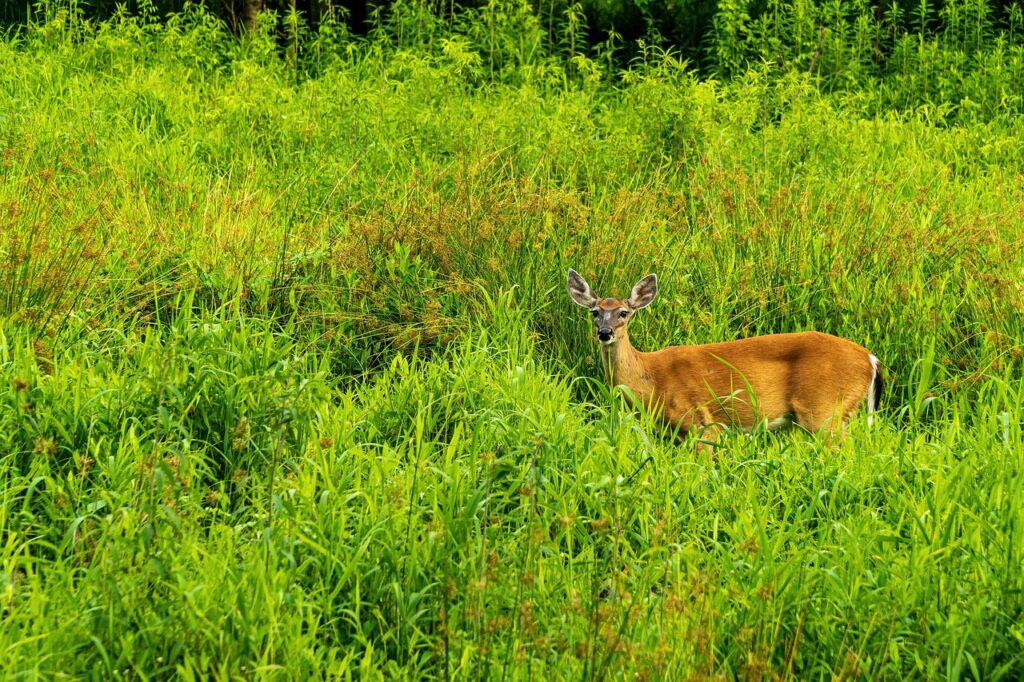

Whitetail deer are an iconic part of Virginia’s landscape. But they weren’t always so common. By the early 1900s, unregulated hunting and habitat loss had driven their numbers dangerously low – only about 25,000 remained statewide. Thanks to robust conservation efforts, including hunting regulations and habitat restoration, the population rebounded dramatically. Today, estimates suggest Virginia supports over 850,000 deer. That’s a 34-fold increase in just over a century.
While this recovery is a conservation success, such high numbers come at a cost. Too many deer can mean ecological damage, crop loss, a rise in vehicle collisions, and increasing tension with communities. Managing this success has become the new challenge.
Managing More Than Just Numbers
The Virginia Department of Wildlife Resources (DWR) has shifted focus: from increasing deer numbers to maintaining a sustainable balance. Their strategy targets two thresholds:
- Biological carrying capacity — what the environment can support without degrading.
- Cultural carrying capacity — what communities are willing to tolerate.
Although most herds stay below biological limits, they often surpass cultural tolerance. The signs? Damaged crops, roadside collisions, and frustrated landowners.
How DWR Partners With the Public
DWR employs a multi-pronged approach to manage deer in partnership with citizens:
- Education & Outreach: DWR publishes guides, hosts workshops, and provides advice to help the public deal with deer-related issues.
- Regulated Hunting: This remains the cornerstone of control. Virginia’s hunting seasons – urban archery, muzzleloader, and firearms – result in about 230,000 deer harvested annually, fueling an economic impact of nearly $500 million statewide.
- Mandatory Harvest Reporting: In place since 1947, this system ensures accurate tracking of harvest numbers by county, enabling science-based decisions.
Tailored Solutions for Local Problems
When general regulations aren’t enough, DWR deploys targeted programs:
- DMAP (Deer Management Assistance Program): Provides additional harvest opportunities and technical guidance to landowners. In 2023, over 1,000 cooperators participated, helping refine localized deer data.
- DCAP (Damage Control Assistance Program): Aimed at farmers or property owners experiencing damage – offering flexibility during any open season.
- Emergency Response Measures: In cases of severe deer-related damage outside of regular seasons, DWR provides specific options to address urgent situations.
- Urban & DPOP Hunts: Localized, seasonal archery hunts reduce deer densities in high-impact urban areas.
Ongoing Challenges
The deer management puzzle is far from solved. Key concerns include:
- Chronic Wasting Disease (CWD): Detected in several counties, prompting creation of Disease Management Areas and enhanced harvest strategies.
- Feeding Bans: To limit disease spread, feeding is banned from Sept–Jan statewide and year-round in certain counties.
- Ecological Impact: Deer overbrowsing reduces forest regeneration, harms native plant diversity, and negatively affects songbird populations.
- Motor Vehicle Collisions: Virginia ranks among the top 10 states for deer-related crashes, with an estimated 60,000 collisions annually.
Relevant Reading | From Success to Strain: The Whitetail Deer Dilemma
The Road Ahead: A Shared Responsibility
DWR’s long-term deer management plan outlines goals for sustainability, safety, and education through 2024 and beyond. But success hinges on public participation. Hunters, landowners, and residents all play a vital role—by reporting harvests, applying best practices, and supporting local programs like DMAP and DCAP.
The big takeaway? Virginia’s deer numbers tell a story of conservation success – but smart, data-driven management is essential to keep that success from becoming a burden. A healthy balance ensures that deer continue to thrive in harmony with the people and ecosystems around them.