
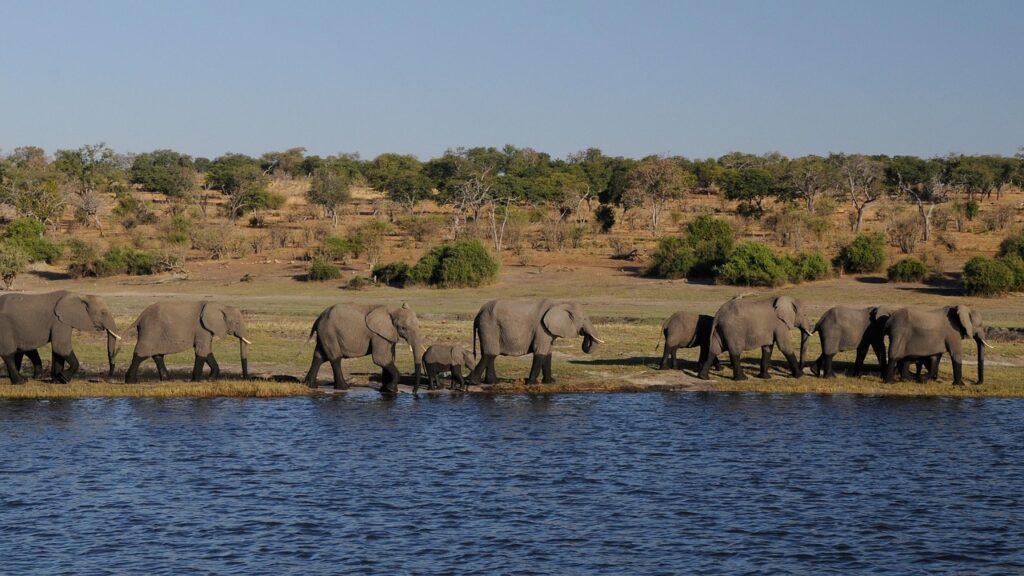

A growing rift between African conservation priorities and Western wildlife policy reached a dramatic new level when Botswana’s President Mokgweetsi Masisi threatened to send 20,000 elephants to Germany. The unusual proposal is Botswana’s response to Germany’s recent push for stricter regulations on the import of hunting trophies, particularly from iconic species like elephants.
The dispute is part of a broader global debate about how conservation should be managed – and who has the authority to make those decisions. Germany, like several other Western countries, is considering bans on certain wildlife imports. But southern African nations like Botswana argue that such policies are often developed without fully understanding local conditions or the role that wildlife management plays in supporting conservation and community development.
Botswana is home to more than 130,000 elephants, representing about one-third of the world’s total population. Decades of strong conservation policies helped elephant numbers rebound – but now, these very successes are creating serious human-wildlife conflicts. In some rural areas, elephants outnumber people. They trample crops, destroy homes, and even kill residents, pushing communities deeper into poverty.
President Masisi warns that Western policies that limit hunting-related income – like Germany’s proposed import ban – will only worsen the situation. “This is no joke,” he said in an interview with German newspaper Bild. “Germans should live together with the animals, in the way you are trying to tell us to.”
While controversial, hunting is a significant part of Botswana’s conservation strategy. Since lifting its hunting ban in 2019, Botswana has issued tightly regulated annual quotas for elephant hunts. Conservationists pay thousands of dollars per license, generating revenue that funds anti-poaching patrols and provides income to rural communities.
Botswana has already relocated 8,000 elephants to Angola, and offered hundreds more to Mozambique. Now, the country says it’s prepared to “gift” a massive herd to Germany if restrictions on trophy imports continue.
Animal rights groups argue that certain wildlife practices are cruel and outdated, while countries like Botswana, Zimbabwe, and Namibia view them as essential for managing animal populations and preventing illegal activity. Many African nations have also pushed for the right to stockpile and legally sell ivory, arguing that a regulated market would help reduce poaching by undercutting the black market and allowing governments to control the trade transparently. However, the proposal has faced strong opposition from East African countries and international conservation groups, who fear it could reignite demand and encourage illegal trafficking.
Relevant Reading | Botswana’s Elephants And Conservation
The key takeaway: This is more than a headline-grabbing threat – it’s a warning about the unintended consequences of international conservation policy. Without factoring in local ecological pressures and community needs, even well-meaning efforts risk harming the very people and wildlife they aim to protect.