

Recent research spanning 3,000 acres of moorland in north Northumberland reveals a stark truth: ground-nesting birds are collapsing under rising predation pressure. Ten years after predator management ceased, declines have been nothing short of catastrophic.
The Numbers Tell the Story
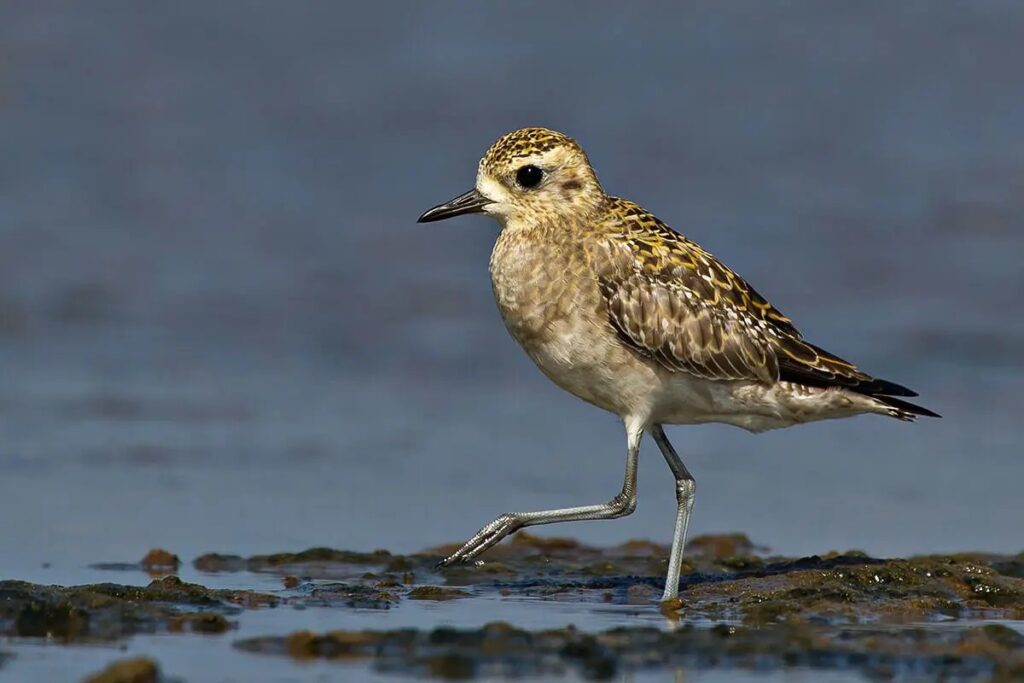
According to a new study published in June 2025, populations of golden plover have plunged by 81 %, snipe by 76 %, red grouse by 71 %, lapwing by 49 %, and curlew by 24 % – all in the absence of predator control. Even more alarming: black grouse and grey partridge have vanished from the survey area altogether.
The study also revisited predator numbers in 2019 – ten years after the experimental program ended – and found substantial increases: foxes surged by 78 % and carrion crows by 127 %. These rises corresponded tightly with the severe losses of ground‑nesting bird populations.
Back between 2001 and 2008, the same sites were part of a controlled experiment. With predator removal during that period, breeding success rippled through the moorland, boosting abundance by threefold. But once management stopped, the positive trend reversed dramatically.
Why It Matters
These birds aren’t just statistics – they’re icons of the moorlands whose soaring, calling presence connects us to the wild. The curlew’s melancholic cry, the golden plover’s elegant wingbeat across heather, and the elusive black grouse displaying on quiet dawns – they’re all at serious risk. As Dr. Andrew Hoodless, head of research at the Game & Wildlife Conservation Trust, warns: without management at landscape scales, extinction of these cherished species is no longer hypothetical – it’s in motion.
Relevant Reading | How Conservation Brought Wild Turkeys Back Across America
A Takeaway That Sticks
This study shows that even with habitat intact, unchecked increases of generalist predators can erase species from the land in just a decade. It’s proof that conservation can’t be passive. If we want to preserve these red‑list species, bold, proactive measures are essential.
Final Thought
When habitat alone isn’t enough, science shows that targeted predator management can make the difference between vibrant bird populations and local extinction. This is a call to action – for local communities, policymakers, and conservationists – to invest in dynamic, science‑backed solutions that ensure the next generation experiences the magic of moorland life.