
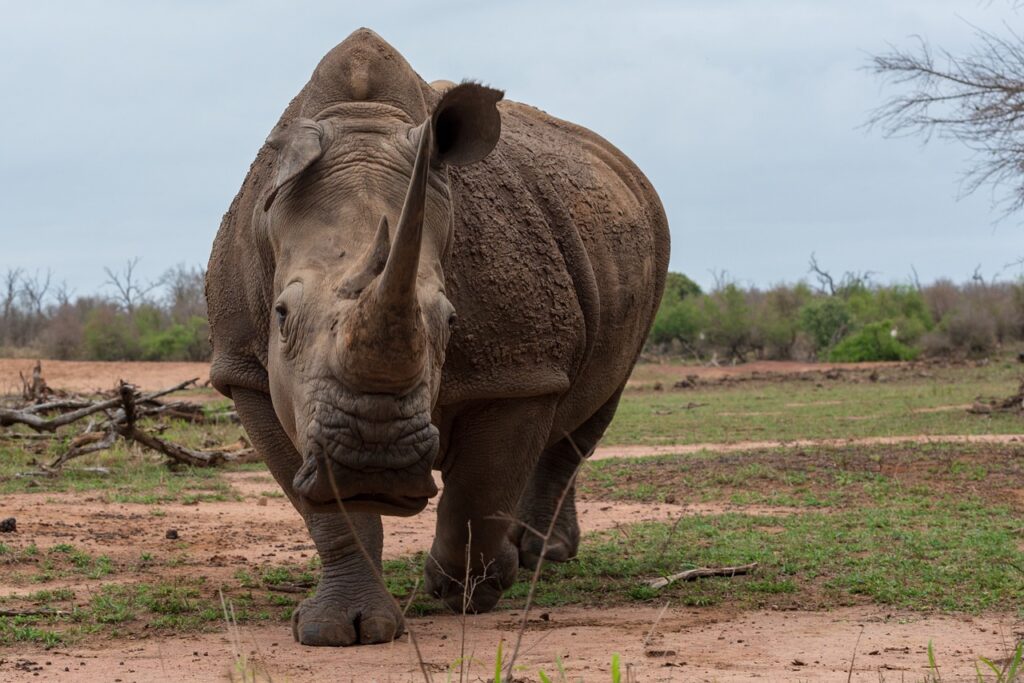

South Africa is stepping up its fight against rhino poaching with a groundbreaking approach that targets one of the biggest challenges conservationists face: the black market demand for rhino horns.
Poaching typically involves targeting animals for parts that hold high value in illicit markets. In the case of rhinos, their horns are highly sought after for use in traditional medicine and as status symbols, especially in parts of Asia. This has led to devastating losses across Africa, threatening the survival of entire species.
To deter poachers and illegal traffickers, authorities have begun injecting rhino horns with a harmless but detectable radioactive isotope. This innovative measure aims to make these horns worthless to smugglers and buyers, effectively reducing the financial incentive behind this deadly trade.
Poaching remains a critical threat to South Africa’s rhino populations, which have been declining sharply in recent years. According to South African conservation officials, poaching incidents have dropped by approximately 50% since 2015, but the illegal killing of rhinos still occurs at an alarming rate, with over 400 rhinos killed in 2020 alone. This loss severely impacts the survival of both white and black rhino species, pushing them closer to extinction.
The radioactive substance, which poses no health risk to the animals or humans, acts as a forensic marker that can help law enforcement track and verify the origins of confiscated horns. When authorities detect radiation in a horn, it confirms that the horn came from a South African rhino protected under this new program. This increases the chances of intercepting illegal horns before they reach the international black market, where rhino horn prices can soar as high as $65,000 per kilogram.
South Africa’s use of radioactive tracers represents one of the most high-tech anti-poaching strategies worldwide, complementing traditional efforts such as armed patrols, aerial surveillance, and community engagement. The horns themselves remain on the rhinos – no dehorning or removal is required – meaning the animals suffer no harm. The hope is that by making these horns toxic to traffickers and consumers alike, the incentive for poachers will diminish.
What makes this approach especially promising is the potential for global replication. If successful, other countries facing similar poaching crises could adopt radioactive tagging to protect their wildlife. Conservationists stress that cutting off the financial motivation is key to saving rhinos, alongside stronger laws and community involvement.
Relevant Reading | Dehorning Rhinos: A Bold Strategy in the Fight Against Poaching
Takeaway: By embedding a radioactive marker inside rhino horns, South Africa is turning the tables on poachers. This cutting-edge technology could drastically reduce illegal trafficking, making rhinos safer and giving them a fighting chance to recover. In a battle where every horn counts, innovation might just be the game-changer conservation desperately needs.