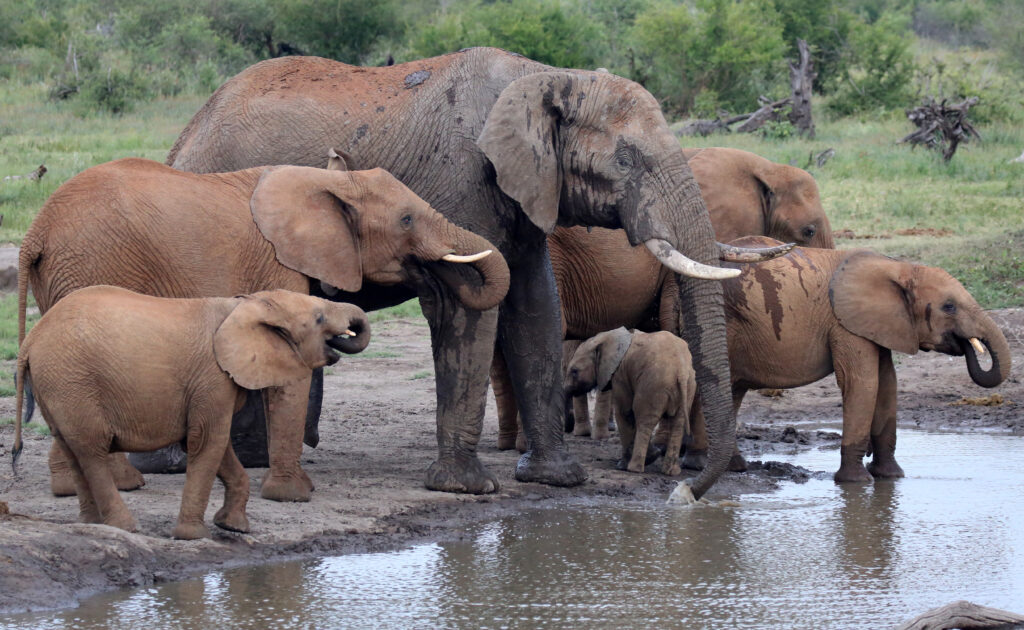

Madikwe Game Reserve stands as one of South Africa’s greatest conservation achievements – a project born from the vision to restore overused farmland and bring wildlife, including elephants, back to the land. In the early 1990s, the area was transformed from degraded cattle ranches into a protected reserve through one of the country’s largest wildlife reintroduction efforts. Among the animals brought in were about 250 elephants – a key part of the plan to rebuild healthy, sustainable ecosystems.
Three decades later, that effort has far exceeded expectations. Madikwe now thrives with an abundance of wildlife and has become a model for community-based conservation. But success has brought new challenges. The elephant population alone has grown to more than 1,500 individuals, and their impact on the reserve’s vegetation and other species is becoming impossible to ignore.
A Strain on the Landscape
Elephants are ecosystem engineers – their feeding and movement shape the land around them. But when populations grow too large, their influence can quickly shift from beneficial to destructive. In Madikwe, the sheer number of elephants has pushed the environment beyond its limits, leading to severe degradation of vegetation and the near elimination of many large trees. What was once a balanced ecosystem is now showing signs of exhaustion – grasses are overgrazed, woody plants are stripped bare, and habitats that once supported diverse wildlife are disappearing. This isn’t just affecting the landscape – it’s destroying it, putting entire plant communities and the species that depend on them, from black rhinos to leopards and countless birds, at risk.
Local communities and conservationists now face an urgent question: how do you manage success without losing what made it possible?
RELEVANT READING | Elephants are thriving in Namibia
Looking Ahead
Madikwe is more than just a wildlife reserve. It’s a major source of jobs and income for nearby communities and a key player in South Africa’s tourism economy. Any decision about how to manage the elephant population will affect not just the animals, but also people and businesses who depend on the reserve.
Finding the right balance won’t be easy – but it’s essential. Protecting Madikwe’s future means taking action now to ensure that its wildlife, landscapes, and communities can all thrive together for years to come.
Takeaway
Conservation isn’t just about saving animals – it’s about managing nature wisely. When wildlife populations grow beyond what the land can handle, even success stories like Madikwe must adapt. True conservation means making tough choices today to protect the balance of tomorrow.