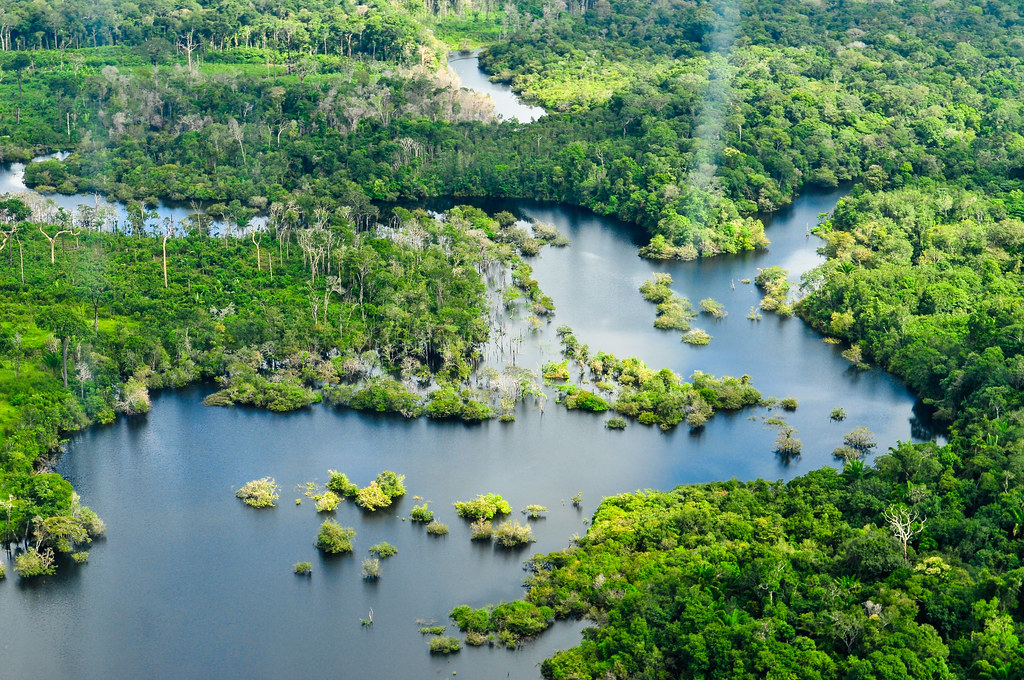

The Amazon rainforest is home to nearly 10% of all known species on Earth. It plays a critical role in regulating the planet’s climate. But it’s under relentless threat – from deforestation, illegal extraction, and shifting weather patterns. In the face of this crisis, a powerful conservation shift is gaining ground: putting local communities at the center of protecting what’s theirs.
A new study in Nature Sustainability zooms in on the Juruá River region of western Brazil, a remote area where rural communities have taken on the role of environmental stewards. The researchers found something striking: these small-scale, community-led efforts are protecting far more than just the lakes and rivers they directly manage.
Over a 10-year study of 14 communities managing 96 oxbow lakes, researchers discovered that these community protections extend well beyond the water’s edge. While each community directly managed just under 800 acres of lake area, their protection efforts effectively covered over 27,000 acres of floodplain and upland forests – nearly 86× the size of the lakes themselves.
This expanded protection footprint happens because local surveillance deters illegal incursions – not just in the lakes, but in surrounding forest and floodplain areas that are otherwise left vulnerable. The model doesn’t rely on formal enforcement agencies. Instead, community members patrol their own territories, especially during low-water seasons when fish are most at risk.
These efforts are working. In areas under co-management, populations of pirarucu – a culturally and economically important giant fish – have increased by 425%. Fish species richness, biomass, and body size have also rebounded. Conservation benefits are not just localized – they ripple outward.
RELEVANT READ | Ecotourism: Photography and Hunting in Namibia
However, this model comes at a cost. Communities spend about US$31,000 per year on fuel, boats, food, and maintenance for these patrols – reducing household incomes by around 21%. If labor were compensated at market rates, the true cost of protection would rise significantly – nearly 10× higher than current spending.
Takeaway: Outsized Impact, Undervalued Effort
Community-led conservation is highly effective – but local people are bearing the cost.