

Why today’s travelers are paying to earn their dinner
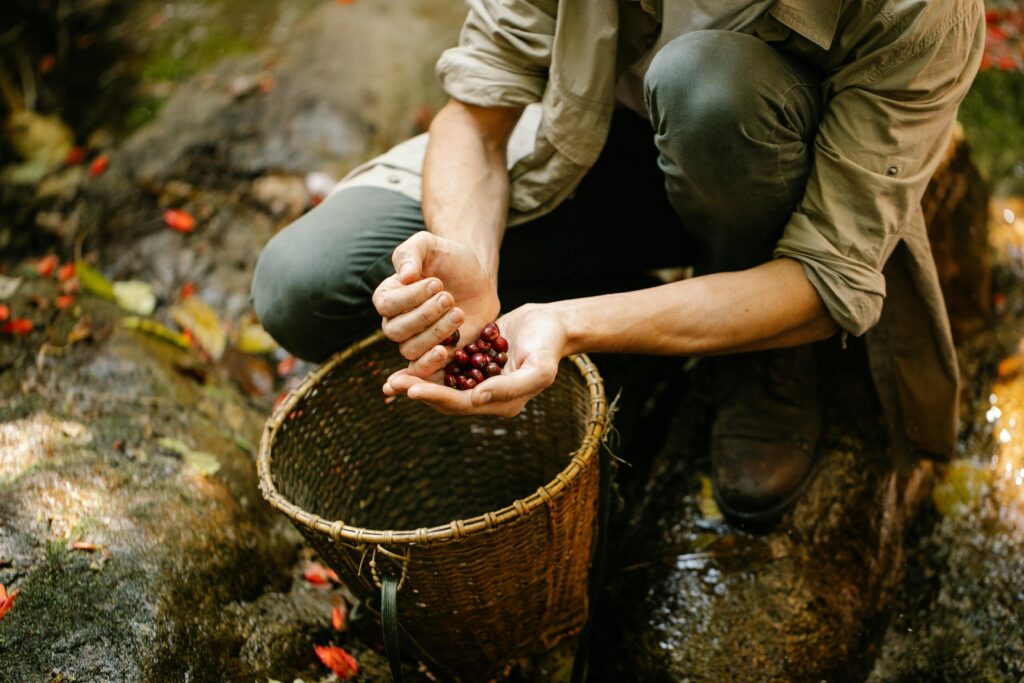
There’s a shift happening in luxury travel. The modern traveler isn’t looking to be waited on – they want to work for the experience. From harvesting olives at dawn in Italy to pulling lobster traps in cold Atlantic waters, luxury guests are trading white linens for dirt under their fingernails.
And they’re paying a premium for it. Nature-based immersion has become the top motivator for 70% of luxury travelers, a jump from 45% before 2020.
Recent industry reports show that experiential luxury now accounts for more than 60% of high-end bookings, with travelers spending between $1,000 and $3,000 per person per day for curated, hands-on itineraries. At the ultra-luxury level, bespoke experiences can exceed $10,000 per person per day, particularly for private, conservation-focused trips in destinations like Africa, Iceland, or rural Italy. These guests are investing not just in place, but in purpose – where the value lies in personal connection, sustainability, and authenticity rather than excess.
At Borgo dei Conti Resort in Umbria, Italy, visitors help harvest olives or gather honey from on-site hives. Along the coasts from Maine to Norway, guests join local fishermen to cast lines or set traps, then dine on the day’s catch. At Timber Cove Resort in California, guests take guided walks to collect wild mushrooms and edible plants, which chefs transform into seasonal meals. In Iceland, travelers harvest seaweed and local herbs while learning about sustainable practices and traditional preservation techniques. At Wildflower Farms in New York’s Hudson Valley, guests forage for produce and herbs before taking part in cooking classes that highlight their own harvest. Across these destinations, resorts report that such immersive culinary programs often sell out months in advance – proof that travelers are increasingly seeking experiences that go beyond traditional luxury.
These programs encourage appreciation for nature and sustainable practices. Guests see firsthand how meals depend on healthy ecosystems, creating a lasting connection to the environment. Resorts balance this with careful planning to avoid overharvesting and habitat damage. Which limits participants and educates them about conservation.
For conservation professionals, this trend opens new opportunities to partner with tourism operators in creating hands-on experiences that both protect habitats and teach visitors about sustainability. When done responsibly, these programs foster empathy and ownership that last far beyond a single trip. And the impact goes deeper than memories. That deeper connection – to place, to people, to purpose – is what builds lifelong advocates for conservation.
The takeaway: Modern luxury travel is evolving from indulgence to stewardship. When guests fish, forage, and harvest their meals, they gain firsthand respect for the ecosystems that sustain them. Done responsibly, these experiences can turn high-end tourism into a driver of conservation rather than consumption.