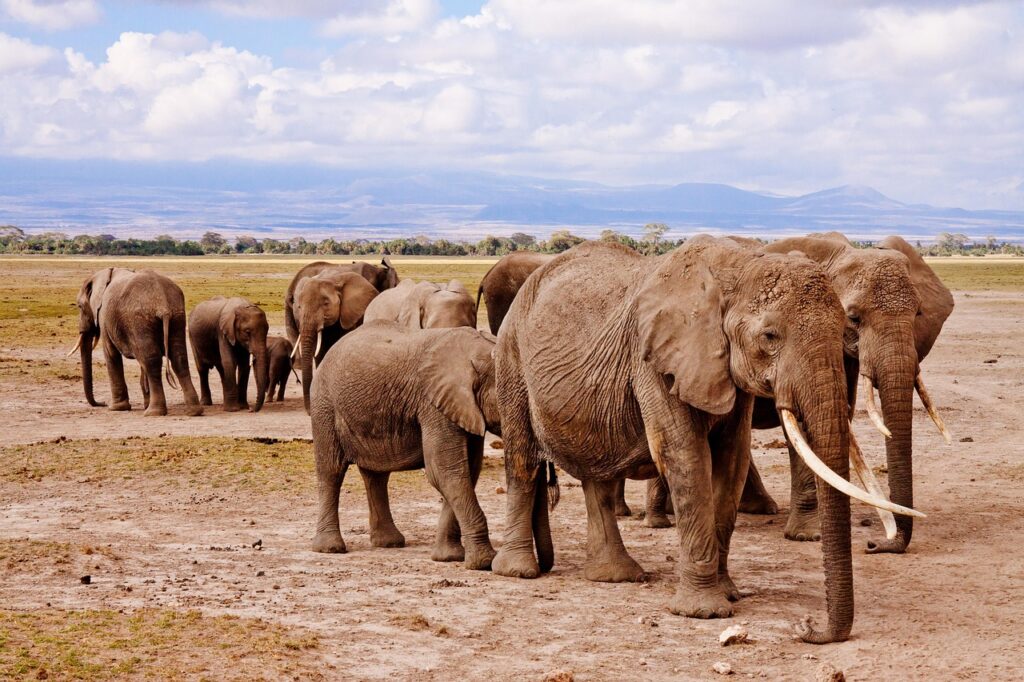

In South-East Zimbabwe, elephant populations have soared to more than 100,000 – an increase of 17,000 in just the past decade. But with that growth has come devastation. In Zimbabwe’s Sango Conservancy, elephants are consuming 300 pounds of vegetation a day, stripping bark from thousand-year-old baobabs and tearing up the last of the grasslands. Now, to preserve both the land and the species, conservationists are facing a painful reality: too many elephants can destroy the very wilderness that defines Africa.
Neither, in many parts of Africa, are elephants an endangered species, despite the claims of animal rights’ charities and their wealthy Western donors. The experts add: “Elephants are not fluffy toys. A lion is not a vegan. These are wild animals that, to survive, will consume or kill everything in their path just like they always have.”
Sango Conservancy now faces an ecological crisis. Nearly 80% of its grasslands are gone, and a third of its mopane trees have been killed or stunted by elephant overfeeding. Even ancient baobabs, which have stood for centuries, are collapsing under constant assault. “It’s heartbreaking,” says conservancy owner Willy Pabst, “But elephants are imperiling their own survival. The biggest threat to the elephant is the elephant itself.” Pabst has launched a large-scale cull to restore balance before the land, and its wildlife, reach a breaking point.
Zimbabwe’s decision to resume culling after a 35-year pause has divided conservationists. Some call it cruel; others call it ecological necessity. In Sango Conservancy – home to roughly 950 elephants within 231 square miles – overpopulation has pushed the ecosystem to collapse.
RELEVANT READING | Elephant Growth in Madikwe Sparks New Challenges
Alternative methods have failed: aerial contraceptive darting proved unreliable, and relocation efforts led to high mortality rates from stress – eight out of fourteen collared matriarchs died after a previous translocation. For now, carefully managed population control is seen by Zimbabwean ecologists as the only way to prevent total habitat collapse.
The meat from the culls doesn’t go to waste. In villages nearby, where nearly half of Zimbabwe’s population faces acute food shortages, elephant meat provides a rare source of protein. For communities who’ve lost crops – and in some cases, family members – to marauding elephants (which killed 31 people last year), the culls bring both safety and sustenance. “We’re scared of them,” one villager said. “But now our children can eat.”
Takeaway:
The Sango cull is not an easy sight, nor an easy story to tell – but it reveals a truth often lost in the noise. Conservation isn’t about emotion; it’s about equilibrium. When elephant populations exceed the carrying capacity of their land, they destroy not only trees and grasslands, but also the survival prospects of countless other species. True conservation demands balance – sometimes through difficult choices.