

A video is circulating on social media in which a leopard enters the backyard of a house where a child is playing – and a house cat bravely confronts the leopard, scaring it away. The clip has earned over a million likes and more than 15,000 shares.
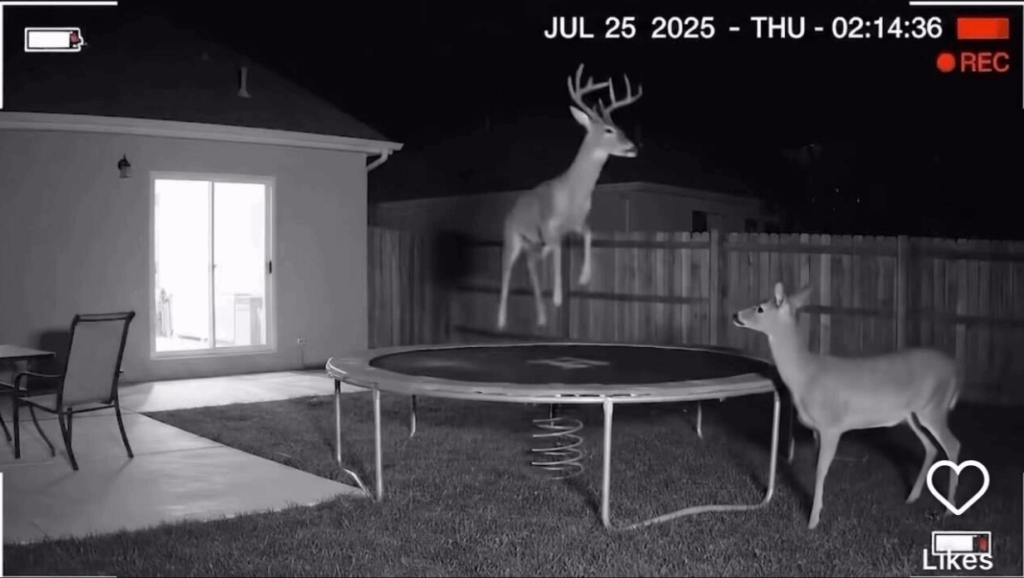
In another viral post, bears and deer bounce together on a backyard trampoline. One more shows three raccoons floating peacefully down a river, riding on the backs of three crocodiles. These clips looked so real that thousands of viewers believed it actually happened. But it didn’t – AI made it up. Around the world, these fabricated wildlife videos are flooding social media, spreading faster than real conservation news ever could – and experts warn the consequences for wildlife awareness could be severe.
Making these videos is easier than most people think. With free or low-cost AI video tools, anyone can generate realistic animal footage in minutes – no technical skills required. Platforms like Runway, Pika Labs, and Synthesia allow users to type a short text prompt such as “a tiger walking through a neighborhood” and receive a lifelike clip complete with lighting, movement, and sound. Some even combine real background footage with AI-generated animals, making the results nearly impossible to detect at first glance. As these tools improve, the line between genuine field footage and digital fantasy keeps getting thinner – leaving viewers unsure of what’s real and what’s machine-made.
Researchers from the GESBIO group at the University of Córdoba analysed dozens of AI-generated wildlife videos and found major concerns. They reflect characteristics, behaviors, habitats, or relationships between species that are not real. They discovered clips that depict hugely unlikely scenes – predators and prey playing together, exotic creatures in domestic homes, animals behaving like cartoon characters. These videos exaggerate how common certain species are, mask real animal behaviour, and mislead viewers – especially children. The danger? These fake visuals reduce people’s ability to recognise real wild animals, and they may even fuel demand for exotic pets. According to the authors, vulnerable species appear far more abundant in these videos than they are in reality.
Why This Matters
AI isn’t just remixing wildlife videos – it’s rewriting how the public understands nature. When millions of people watch a leopard “playing” in a backyard or crocodiles ferrying raccoons down a river, they’re not just seeing a cute clip. They’re absorbing false ideas about how wildlife behaves, how common certain species are, and what “normal” looks like in the natural world.
That distortion hits the conservation world right where it hurts: public support. If people think predators are friendly houseguests or rare animals are everywhere, they’re far less likely to grasp real threats like shrinking habitat, collapsing populations, and the hard truth of human–wildlife conflict. It also fuels dangerous trends – kids wanting exotic pets, adults dismissing field science, and policymakers undervaluing habitat protection because the public thinks wildlife is doing just fine.
AI fakes aren’t harmless entertainment. They chip away at the public’s ability to recognize real animals, real behavior, and real risk – eroding the foundation conservation depends on.
Key Takeaway
Wildlife doesn’t need more fantasy. It needs a public that understands what’s actually happening on the ground. Every fake clip that goes viral makes that harder. The path forward is simple: tell real stories, amplify real science, and teach people how to spot manufactured wildlife from the truth of the field. Conservation succeeds when people see the wild for what it is – not what an algorithm dreams up.