
Wildlife management, conservation, and community welfare often operate in separate lanes – but they don’t have to. Most folks treat harvesting wildlife, conservation work, and community food support as three totally different worlds. Responsible wildlife harvest – especially in places with overabundant deer – can support conservation and supply high-quality meat to food banks. One action can serve all three missions at once.
According to research from Wild Foods Institute at Michigan State University, when we harvest wildlife responsibly and put that meat to work feeding Americans, we fulfill several goals at once: wildlife management, food security, and ecosystem health.
In the early 1900s, the U.S. deer population hovered around 300,000 whitetails. Today it’s up to an estimated 30 million. In other words, the population is about 100 times larger today than it was in the early 1900s.
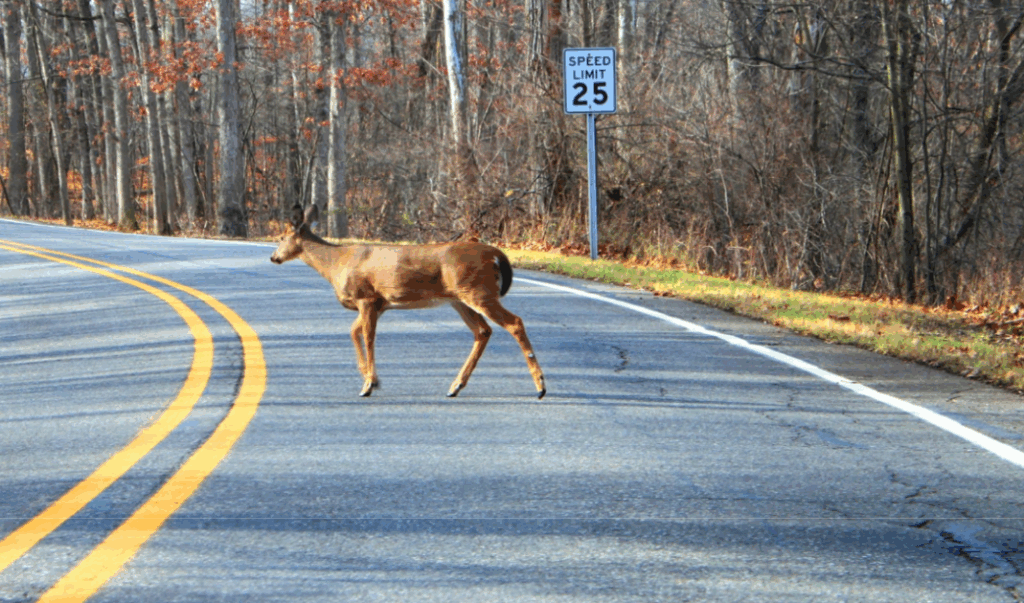
In many places this growth comes with costs: crop damage, vehicle collisions, disease, and even forest degradation. For wildlife managers, the question is no longer “how do we conserve deer?” but now the question is “how do we manage deer?” In some cases, that means reducing their numbers.
And yet – in many cases when deer must be culled for management reasons, the harvested meat goes unused – sometimes thrown away.
Wild Game Meat = Meals for People
Dr. Jerry Belant and his colleagues explored this exact intersection: human-wildlife conflict + food insecurity. They found that from 2020 to 2023, the USDA Wildlife Services donated roughly 129–163 U.S. tons of wild-game meat annually to food banks nationwide.
That supply is enough to provide up to 1.74 million meals per year – and the estimated replacement value of that meat reaches $1.7 million annually. Boone and Crockett Club
Nutrition, Access & Acceptance
Wild-game meat often delivers stronger nutrition compared to many domestic options: higher in protein, lower in unhealthy fats, and rich in B vitamins.
But the model still has practical hurdles:
- Some people who need food assistance may not be accustomed to wild game meat or comfortable with it.
- Logistical challenges remain: sourcing animals from conflict hotspots, processing and distributing them safely and cost-effectively, and making sure recipients are aware of their availability.
Conservation that Delivers More Than Ecology
Responsible wildlife harvest has always been a core part of modern wildlife management. In this context, it becomes a tool that supports multiple goals at once. As Belant explains, “It’s fundamentally optimizing basic wildlife management…reducing human-wildlife conflicts and secondarily reducing food insecurity.”
When guided by science and clear management objectives, harvest programs can move beyond population control – providing real value to people and communities.
Takeaway
Putting responsibly harvested wild game to work feeding families accomplishes two critical outcomes: it helps reduce wildlife conflicts and provides high-quality protein to communities that need it most. This approach turns an existing management necessity into meaningful public benefit.
Because the meat comes from animals already being managed for ecological balance – maintaining healthy deer populations and preventing habitat degradation – it supports wildlife sustainability, ensures the ethical use of harvested animals, and makes efficient use of resources that would otherwise be wasted.