
Illegal wildlife trade isn’t just a conservation issue, it is a criminal economy that intersects directly with other forms of organized crime. A new study published in The Conversation documents how wildlife trafficking networks in Canada link to drugs, guns, human exploitation, and money laundering.
The research draws from more than 100 interviews with investigators in Canada, South Africa, and Hong Kong. Their findings are clear – the same networks trading in wildlife are often involved in drug trafficking, human trafficking, arms trafficking, child exploitation, counterfeit goods, and metals and minerals smuggling. These are not isolated operations. They are interconnected markets built on shared infrastructure in transportation routes, corrupt intermediaries, and illicit finance channels.
In Canada, investigators reported that wildlife parts such as sturgeon and their caviar, grizzly bear hides, or polar bear hides were sometimes exchanged directly for narcotics. Some wildlife-processing facilities even relied on exploited migrant labor. Smaller local cases existed, but many were tied to sophisticated international networks.
The study also documented the “oddities” market, where wildlife parts blend with human remains, preserved reptiles, and other black-market collectables. That overlap shows how criminal markets converge when the profit motive is high and penalties are low.
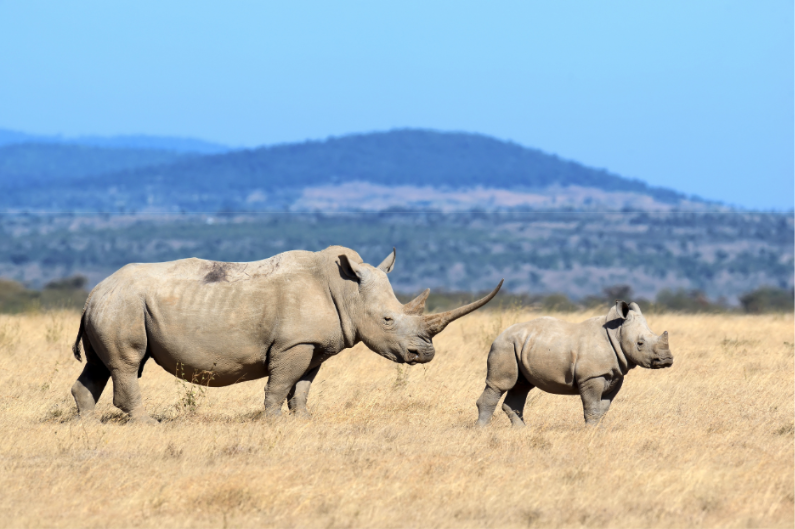
These patterns match global findings. In South Africa, rhino horn traffickers were linked to child exploitation. In Hong Kong, shark fins and endangered turtles moved alongside counterfeit goods. Across all jurisdictions, the logic was the same: if a smuggler already has transportation, money-laundering channels, and trusted criminal partners, adding wildlife is simply another revenue stream.
Canada’s enforcement system lags behind this reality. Wildlife crimes are often siloed within environmental agencies, while narcotics, arms, and human-trafficking cases sit with police or border authorities. Each agency sees only one slice of the problem, leaving gaps organized networks exploit.
Takeaway
Illegal wildlife trade is organized crime, plain and simple. Breaking these networks requires real enforcement muscle: intelligence sharing, tougher penalties, and financial-crime tools working across agencies and sectors.