
Wildlife management is not static. Herd numbers change, habitat conditions deteriorate, disease emerges and management decisions must adjust accordingly.
Utah offered a clear example in August when the Utah Wildlife Board approved two markedly different responses to emerging conservation challenges. The board authorized 450 additional cow elk permits in drought-affected areas where elk populations exceed management objectives. At the same meeting, it reduced bison hunting opportunities following a severe pneumonia outbreak in the Book Cliffs.
One decision increases regulated harvest. The other restricts it. Both are grounded in the same principle: hunting regulations are set to serve the needs of wildlife populations and their habitat.
Drought Increases Pressure on Utah’s Elk Range
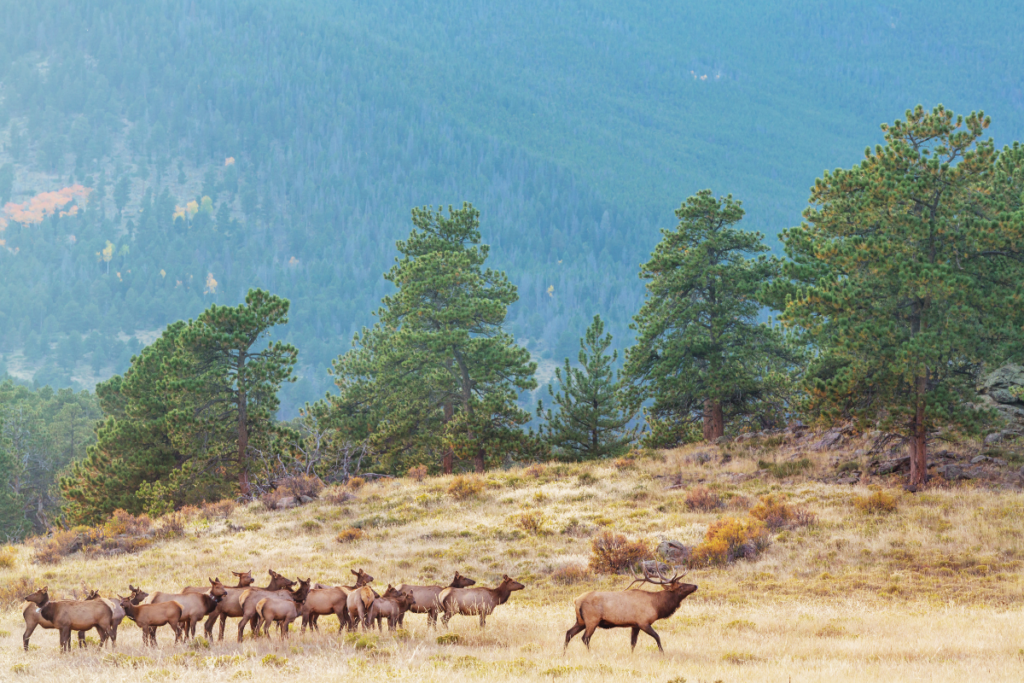
Extreme drought has reduced the forage available to wildlife across portions of Utah. The problem is especially acute in areas where elk numbers are already above the population objectives established by state wildlife managers.
When too many elk depend on too little forage, the consequences extend beyond the condition of the herd. Heavy use can damage already-stressed habitat and increase competition among elk and other grazing wildlife. Prolonged pressure may also make it more difficult for damaged ranges to recover when precipitation returns.
Cow elk harvest is one of the most direct tools available to managers when an elk population needs to be reduced or redistributed. Because cows drive future herd recruitment, carefully adjusted cow elk harvest can influence population growth more effectively than focusing exclusively on bulls.
Disease Forces a Different Response for Bison
Utah’s bison managers are confronting a very different problem in the Book Cliffs, Bitter Creek area..
During late July and early August, wildlife officials documented a substantial bison die-off. Testing conducted on several carcasses identified pneumonia as the cause. Bison can develop pneumonia when respiratory bacteria or viruses spread through a herd.
State biologists described the event as unprecedented within Utah’s long-running Book Cliffs bison research.
Responsive Conservation Through Hunting
The elk and bison decisions may appear contradictory when viewed only in terms of permit numbers. In ecological terms, however, they are entirely consistent.
Where drought, limited forage and an over-objective elk population are placing excessive pressure on habitat, Utah is increasing harvest. Where disease has abruptly reduced an adult bison population, the state is limiting harvest and protecting additional breeding females.
This is what adaptive management looks like in practice.
Hunters are active participants in that system. Utah’s latest decisions reinforce an important conservation lesson: neither wildlife abundance nor hunting opportunity can be managed according to a fixed formula. Drought can change the carrying capacity of a landscape within a single season. Disease can erase years of herd growth in a matter of weeks.
In Utah, that currently means more cow elk permits on drought-stressed ranges and fewer bison hunting opportunities where pneumonia has sharply reduced the herd. Different actions, guided by the same objective: keeping wildlife populations in balance with the landscapes that support them.