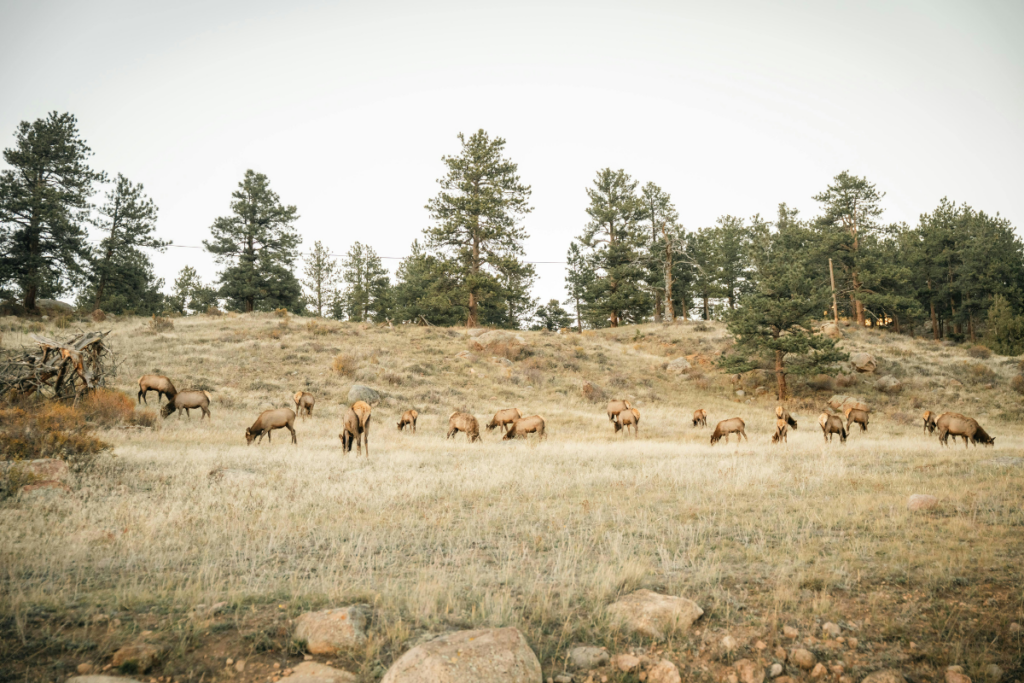

For someone who has spent most of their life in a city, the idea of eating deer or elk may feel unfamiliar. But across much of North America, wild game is a normal and important source of food.
A 2026 peer-reviewed study estimated that regulated big-game hunting in the United States produces nearly 236,000 metric tons of wild meat each year—the equivalent of approximately 1.4 billion six-ounce meals.
Each year, hunters produce more wild meat than the combined amount of lamb and veal available for Americans to consume.
What Is Wild Game?
Wild game is meat from free-ranging animals legally harvested during regulated hunting seasons. North American big-game species include white-tailed deer, mule deer, elk, moose, pronghorn, caribou and wild pigs.
Venison generally refers to deer meat. It can be prepared as steaks, roasts, ground meat, sausage, jerky or chili. Elk and moose can be prepared in many of the same ways. White-tailed deer provide most of America’s wild-game meals, followed by wild pigs, elk, mule deer and moose.
Why Do People Eat Wild Game?
Wild game provides lean, protein-rich meat without relying on livestock production. Because it typically comes from free-ranging animals, it is not raised with added growth hormones, routine antibiotics or commercial feed. The study found that wild game contained more protein and fewer calories, on average, than the domestic meats used for comparison.
It also has real economic value. Replacing America’s annual wild-game harvest with meat purchased from grocery stores would cost billions of dollars.
Hunting Puts Food on the Table
For many Americans, hunting is a practical way to provide food. Harvested animals are processed into steaks, roasts and ground meat that can feed families for months. In many cultures, sharing that meat with family, friends and neighbors is also a long-standing tradition. This is especially important in rural communities, where wild game remains a dependable part of the household food supply.
How Eating Wild Game Supports Wildlife Conservation
North America’s modern wildlife-management system uses regulated seasons and science-based harvest limits. Today, wildlife agencies use harvest information to manage animal populations. Hunters also provide direct financial support of these species for conservation through licenses, permits and other hunting-related funding.
The study concluded that regulated hunting can sustainably produce wild food while supporting conservation and reducing some dependence on industrially produced meat.
The Conservation Frontlines Takeaway
Wild game is not simply a byproduct of hunting. It is a major food resource that connects people directly to wildlife and the landscapes that sustain it.
For someone who has never seen an elk or eaten venison, the point is straightforward: regulated hunting produces valuable food, helps fund conservation and encourages people to make responsible use of the animals they harvest