
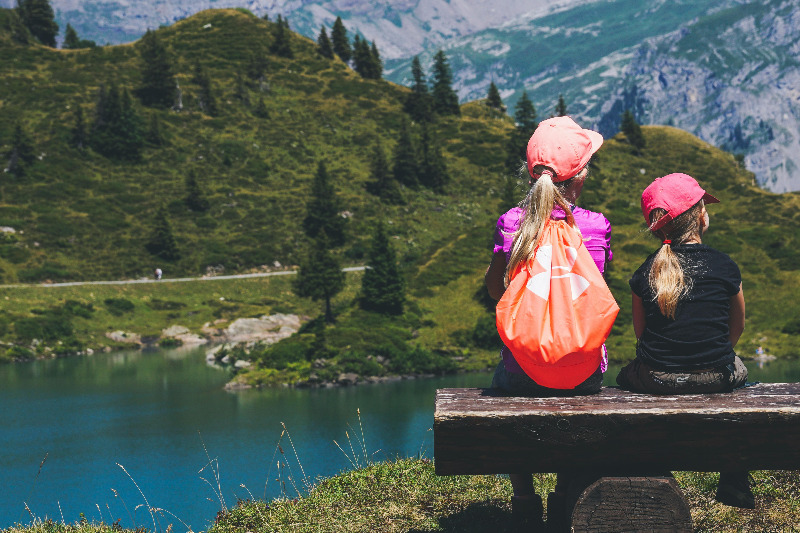

For ages, humans have enjoyed spending spare time outdoors. We gaze at perfect snowflakes in the winter sky, wander through ample autumn forests, and hurry to sandy beaches for summertime weekends. Whether out of necessity or desire, we have an undeniable connection to the natural world.
To quantify how Americans value the outdoors, the U.S. Fish and Wildlife Service conducted a survey to see how citizens interacted with nature in their recreational activities. Their findings inform how state and federal powers allocate money to protect these natural resources for future generations and for the entire ecosystem’s benefit. Here are some outcomes they found.
Wildlife Watching

Did you know that you can be an outdoor recreationist without leaving your home? It’s true! Wildlife observers are those who went wildlife watching, photographed animals, and anyone who took trips to public parks or natural areas that benefited wildlife. Overall, 148.3 million U.S. citizens engaged in some sort of wildlife observation in 2022 with most taking part from their own homes.
Wildlife observers spent most of their related expenses on membership dues, nature magazines, photography equipment, and planting materials. This totaled around $89.5 billion and 78% of the people didn’t live in rural expanses of the country, but in metropolitan areas. Maybe all of us long for nature, regardless of environment.
Fishing
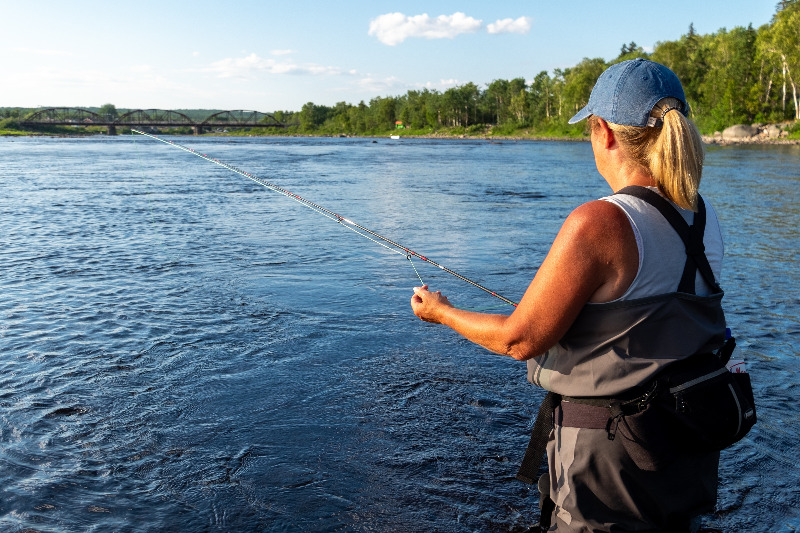
Sometimes, casting a fishing line into water can be the part that lures one in the most (yes, pun intended)! The survey found that in 2022, 40 million Americans had at some point spent time fishing. Anglers spent 785 million days on both salt and freshwater hoping for a bite on their lines. That adds up to 463 cumulative fishing trips nation-wide to spend time on America’s magnificent waters.
Reeling in a fish can be the most exciting thing on these trips, but success also lies in the gear that gets you there. Anglers spent almost $99.4 billion on fishing and travel-related expenses like gas, lodging, food, gear, and licenses for their adventures. Clearly those big catches were important and meant something to many Americans–they certainly went diving into their pockets!
Hunting
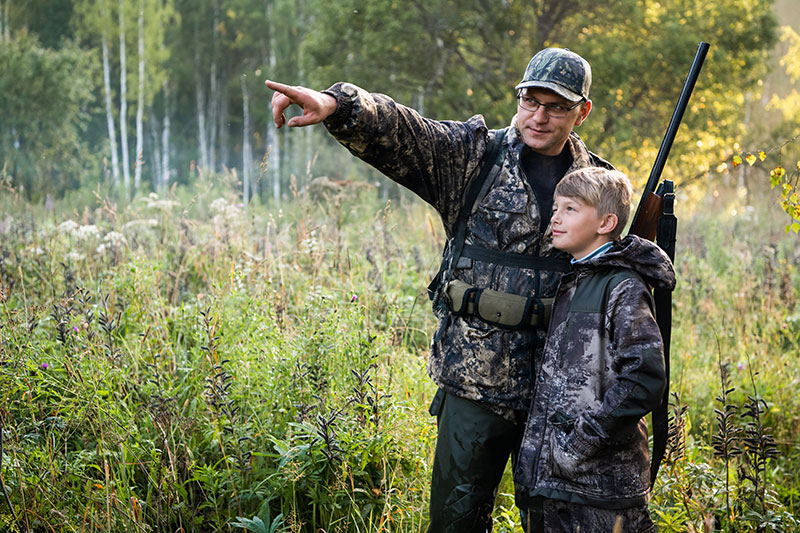
Whether for conservation, time in nature, moments with family or for pure challenge, hunting is an essential cultural tradition globally. Americans proved to enjoy it just the same, as 14.5 million Americans took 165 million hunting trips in 2022. And hunting contributed significantly to the economy, with hunters spending $45 billion on equipment and travel.
The survey also demonstrated that camouflaged gear comes in all shapes and sizes! Just over 3 million women participated in hunting and 200,000 individuals identifying as other genders similarly donned their camo. Whether it be through personal solitude, time with a friend, or family members, hunting lets one quiet one’s mind and see the world around them.
Takeaways
While the survey makes it clear that they won’t draw conclusions from the statistics, it leaves us curious about what these numbers represent. What can we truly take away? The Service might not ask this, but we can form some holistic conclusions.
Recreational activities are a great way to spend time with family or time alone in nature. Outdoor recreation like observing wildlife, fishing, and hunting can also directly help communities by providing food and mentoring, which builds even stronger relationships among people.
The number of active recreationists also demonstrates our inherent longing to be outside, especially in response to the lasting effects of the digital age and Covid-19 lockdown. People can turn to the outdoors as a way to find peace and connection outside the confines of their four walls or a screen.
Lastly, the economic benefits that come from dollars spent by recreationists go toward supporting landscapes and facilities that maintain the natural beauty of the environment for years to come.
Conclusion
Because of committed research from agencies like the U.S. Fish and Wildlife Service, we can see how Americans appreciate spending time outdoors and that these activities may have more in common than different. So, whether you take up a fishing rod, bow and arrow or camera, there is joy and tradition to be found in spending time in the great outdoors—happy adventuring!