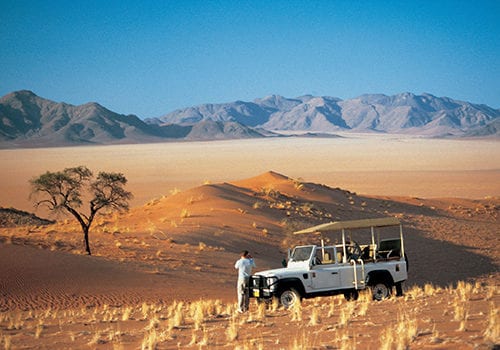

Ecotourism is an industry dedicated to showing visitors the natural world, often supporting conservation and rural communities. These opportunities exist throughout the world and take many forms depending on the environment in which they are created and the outdoor activities desired by visitors. In Namibia, ecotourism is a popular venture and major draw for thousands of curious adventurers who yearly visit its wildlife conservancies, which are the areas of Namibia managed by local peoples with wildlife conservation management plans approved by the national government. But what exactly does this look like in Namibia? Well, grab your camera and bow and we’ll show you.
Photographic Tourism
In areas that are naturally breathtaking, it’s quite common to have guided tours, travel opportunities or dedicated photography locations that allow visitors to capture the vast beauty of their destination. In a recent study of Namibia’s conservancies, researchers found that photo tourism occurred in 39 of the 86 conservancies and was the dominant form of income in 16, resulting in a larger annual income than hunting by 447%. When combined, the land area of these conservancies made up about 20% of Namibia’s landscape, ideal spots for photography of the natural world. Photo tourism areas aren’t just ideal for travelers; much of the income from tourists gets put right back into the local economy, supporting the communities who call the conservancy and country home.
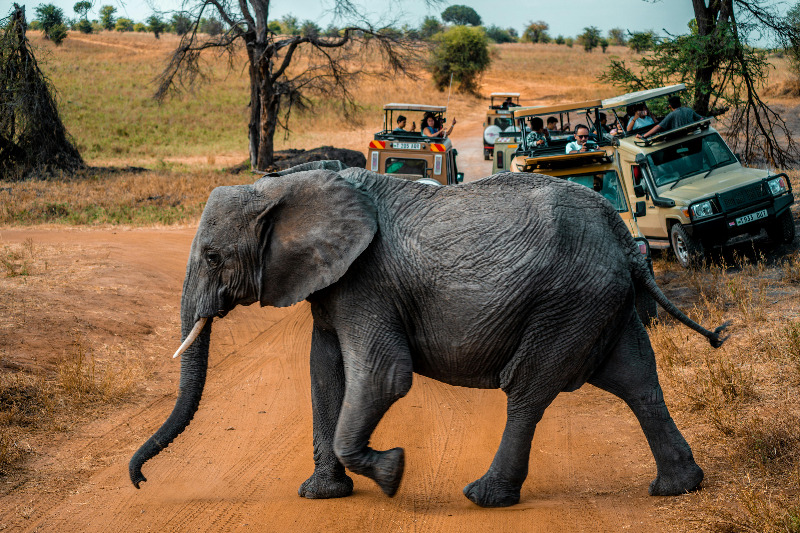
Though tourist snapshots will certainly always be sunshiny and picturesque, the reality of photo tourism isn’t black and white. It can take years for these tourism operations to become established and generate income, requiring construction and community cooperation for success. Sustainable levels of tourism also need to be adopted, as these operations can adversely impact the environment. Development of buildings and roads can replace natural habitats and cause wildlife to avoid areas with high numbers of tourists.
Hunting
Another popular form of ecotourism in Namibia is through hunting opportunities available in conservancies. Hunting is an active way of getting tourists engaged, offering a way for curious travelers to find themselves as parts of the environment they journeyed far to see. Either for the thrill of the challenge or for enjoyment of nature, hunting is a true draw for many tourists, especially in Namibia. The study states that of the 86 registered conservancies in the country, hunting occurred in 70, generating revenues almost twice as fast as photo tourism. Due to the presence of Namibia’s “Big Five” large mammals—elephant, buffalo, black rhino, lion and leopard—and the interest they have to tourists of all types, hunting is a valuable way to bring in income to conservancies and support sustainable conservation practices.
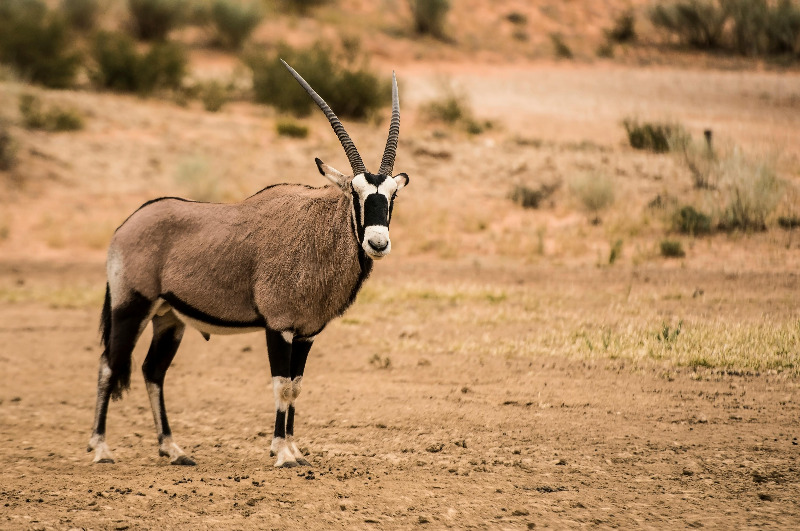
Prioritized to be sustainable, hunting opportunities can bring positive results for all involved. Guided hunting tours don’t require the same amount of construction, traveler comforts and transport routes as does photo tourism, and are able to start producing revenue much faster as a result. This also leads to a smaller footprint with fewer participants, ensuring that the disturbances to the surrounding wild animals and their habitat are decreased. Similar to photo tourism, hunting operations share resulting income with communities and hire local people to participate as guides and other jobs.
With the rapid income generation of guided hunting opportunities also comes the caution for pitfalls. The chance of overhunting always looms, and with the limited amount of necessary infrastructure, hunting opportunities can pop up fast with quick success. But strict laws, regulations and quotas centered on science-based conservation principles ensure that hunting in these conservancies is sustainable and that healthy populations of wildlife remain.
Working Together
Alone, these two forms of ecotourism have worked well in Namibia. However, the study offers that there can be added benefits if conservancies employed photo tourism and hunting together. The 86 registered conservancies in the country support more than 230,000 people, and combining the economic benefits of both ecotourism practices can potentially better sustain Namibia’s communities. But how?
The study shows that hunting is quick to establish, but the Namibian conservancies that offer hunts lose income the longer they are in operation, likely due to negative impacts from drought, a limited hunting market such as during the COVID-19 pandemic or barriers from international importation laws. Photo tourism takes longer to establish in the country, but its income increases over time as infrastructure further develops to support visitors. Together, timelines of these two types of ecotourism can be complimentary if conservancies choose to integrate both.
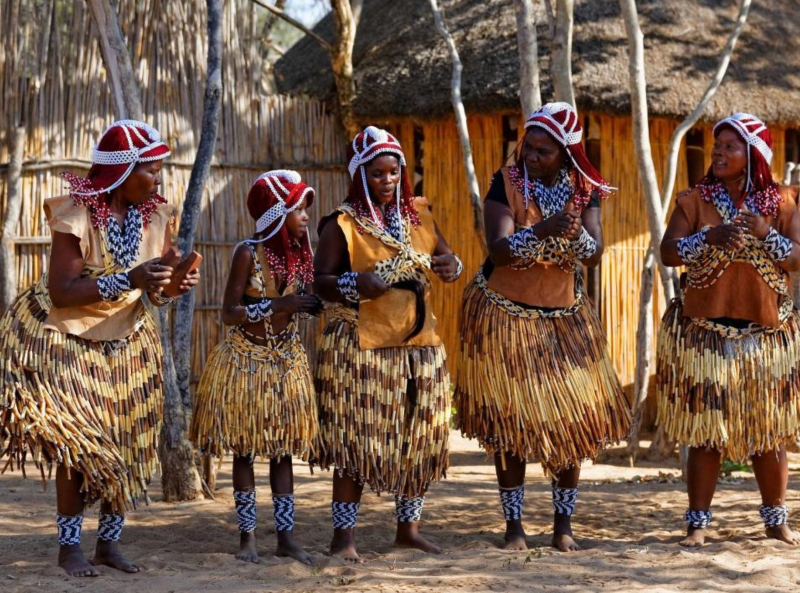
Not surprisingly, larger conservancies generate more income. Because not every protected area has the same amount of land or wildlife, researchers suggest that conservancies, especially smaller ones, work together to offer photography and hunting trips across their shared borders and divide the larger profits fairly. The research also explains that this model of reciprocal benefits can extend even further, suggesting that Namibia’s managed forests and fisheries in several conservancies can provide funds from the sale of additional products or from integration of these goods into larger tourist markets.
Though photo tourism and hunting are inherently different, they are both ways of getting involved in the landscape that surrounds us. When conducted sustainably, responsibly and in tandem, wildlife conservancies and the communities within can experience positive benefits, conserving wildlife populations and improving livelihoods of local communities, like we have seen with from successful models used in Namibia.