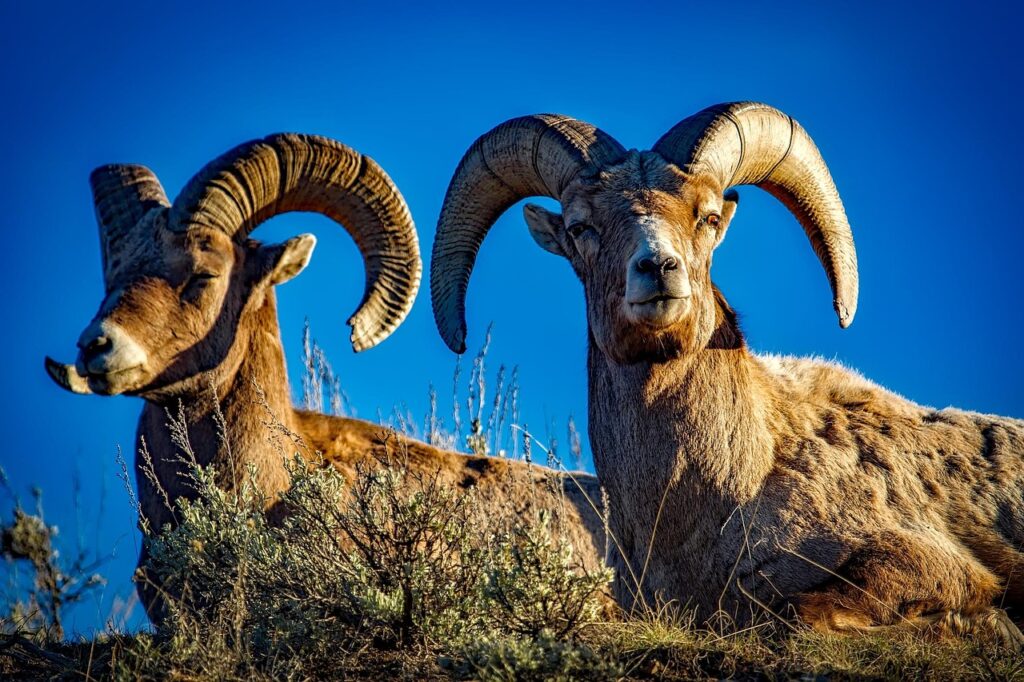

Wild bighorn sheep populations in North America have rebounded impressively – from roughly 20,000–25,000 in the 1950s–60s to around 80,000 today, thanks to decades of conservation work. Yet, despite clear progress, their recovery remains a “chronic incompletion.”
An article in Fair Chase, highlighted by Boone & Crockett, zeroes in on three persistent challenges: disease outbreaks, habitat limitations, and uneven agency commitment. Together, these factors continue to stall the full comeback of bighorn herds.
1. Disease: The Ever‑Present Threat
Bighorn sheep are notoriously vulnerable to respiratory illnesses, especially bacterial pneumonia, which often spreads from nearby domestic sheep. These outbreaks can wipe out 70–90% of a herd in just weeks – erasing years of progress. In Oregon, after a restoration transplant that brought 87 sheep to Hart Mountain, populations dropped to around 48 by 2020, prompting new wildlife-health plans. Disease isn’t just a health issue – it’s a reset button.
2. Habitat: Size and Isolation Matter
Research consistently links population persistence to large, connected habitats located far from domestic flocks. Smaller or fragmented ranges result in low recovery rates—even with ongoing restoration efforts.
3. Agency Priorities: Patchwork Engagement
Programs vary in intensity and commitment. Some herds benefit from sustained monitoring and habitat improvements, while others lag due to limited funding or enforcement. Without unified, long-term strategies, gains are too often lost to complacency.
Relevant Read | Resilience in the Desert: The Story of the Desert Bighorn Sheep
Why It Matters – and What We Can Do
Numbers tell the story. A drop from 87 to 48 sheep on Hart Mountain illustrates how quickly progress can unravel. And while we’ve grown bighorn numbers fourfold overall, these gains mask instability at local scales.
Here’s the takeaway: We can recover bighorn sheep if three pillars stand firm:
- Disease barriers – minimizing contact with domestic livestock.
- Large, secure habitats – safe from fragmentation or human interference.
- Consistent agency support – through funding, monitoring, and enforcement.
Without all three, every restoration becomes a precarious gamble.
A Call to Conservation Action
Let this be the message our readers carry forward: bighorn sheep recovery isn’t optional – it’s conditional. We can’t declare victory based on herd-wide population increases alone. Real success means ensuring each translocated flock thrives long-term, disease-free, and in habitat that supports not just tens, but hundreds of individuals.
Our challenge: Work with agencies to ensure accountability. Advocate for strong protections against disease, improved habitat connectivity, and consistent funding. Together, we can help this iconic species thrive once more – and reaffirm our role as thoughtful stewards of the Wild.