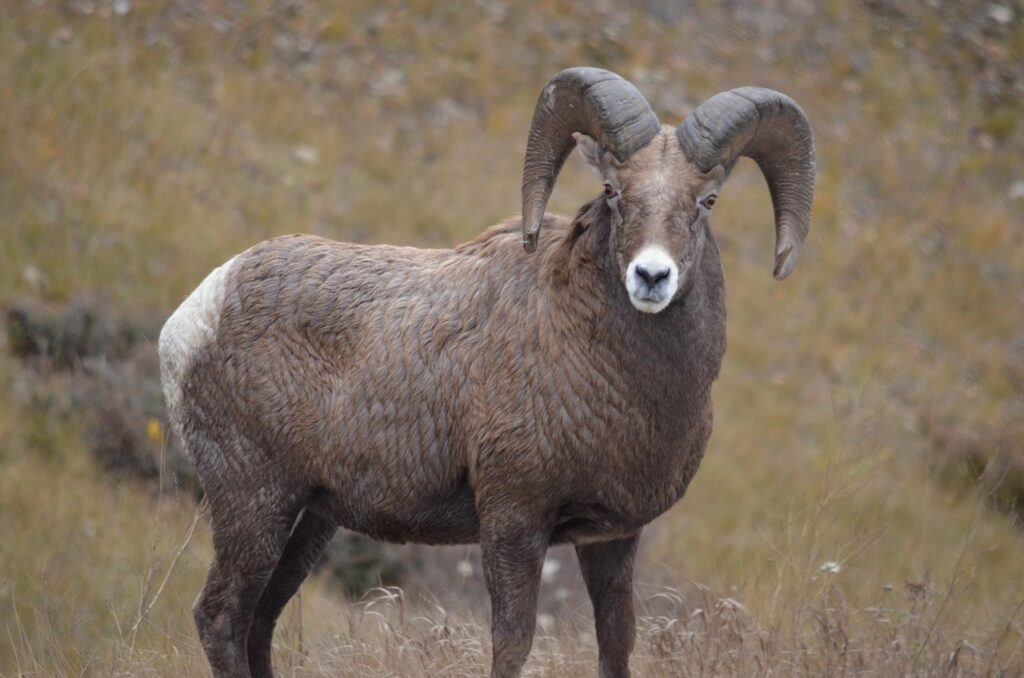

Bighorn sheep, known for their iconic curled horns and rugged resilience, roam the mountainous landscapes of western North America, stretching from Canada to Mexico. These remarkable animals are not only emblems of the wild, but also central to a nuanced and sometimes controversial approach to conservation.
Though often misunderstood, regulated harvest programs have become vital to modern wildlife stewardship. Much of the funding behind today’s bighorn conservation initiatives comes from enthusiasts and organizations dedicated to sustainable use, including the Wild Sheep Foundation and private supporters like the Cabela Family Foundation.
These majestic animals face numerous challenges – habitat loss, climate change, and disease chief among them. A particularly devastating threat is Mycoplasma ovipneumoniae (MOVI), a bacterial infection originally passed from domestic livestock. MOVI causes severe pneumonia in bighorn populations, especially lambs, and some adult sheep become “chronic shedders,” spreading the illness and hindering population recovery.
Relevant Reading | What Are Three Ways To Improve Wildlife Conservation?
In Nevada, wildlife officials and conservation teams are tackling the problem head-on. They capture and test bighorns to identify and remove these chronic carriers. This delicate operation requires helicopters, skilled pilots, veterinarians, and field crews, all working together to minimize stress on the animals. Techniques like blindfolding and cooling help keep the sheep calm and healthy during these procedures.
Fieldwork is only one part of a much larger equation. Public revenue generated from tightly regulated opportunities to pursue bighorn sheep plays a crucial role in funding these conservation strategies. Fewer than 1,000 tags are issued across the U.S. each year, with some auctioned for as much as $400,000- dollars that go directly back into protecting the species and their habitat.
Importantly, this isn’t about taking for sport. It’s about stewardship through regulation, funding, and respect for the land. Managed harvest is not separate from conservation – it is intertwined with it. Those who engage in both resource use and restoration often gain a profound respect for the ecosystems they help support. In the case of bighorn sheep, this connection has become a lifeline for the species and a compelling example of how thoughtful wildlife management can serve preservation.