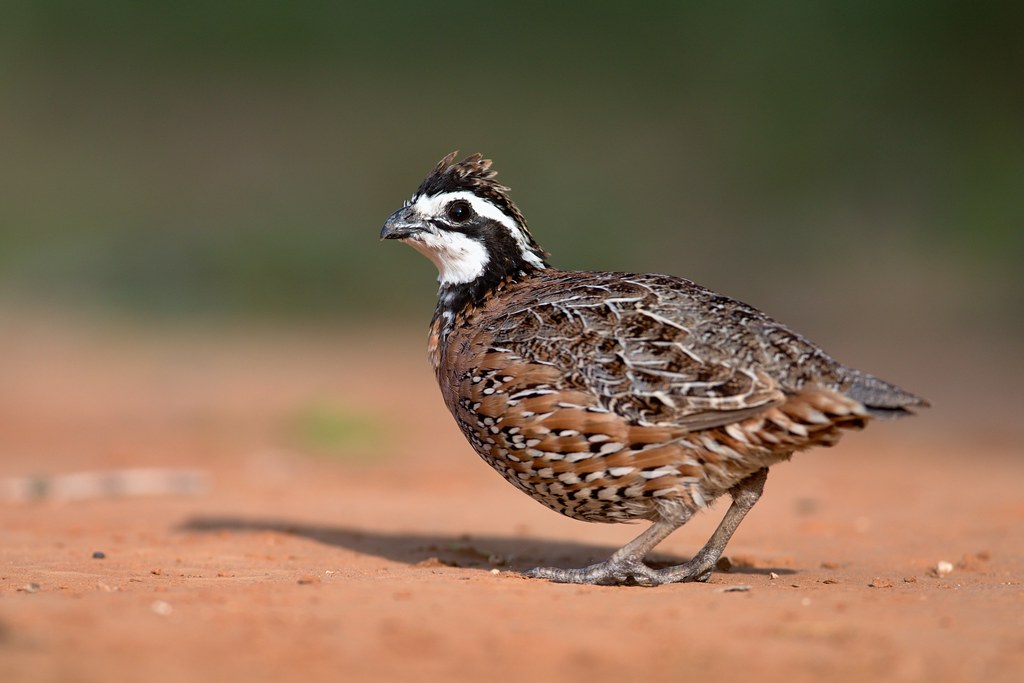

The northern bobwhite quail, once a staple of American grasslands, has seen its population plummet by over 80% in the past three decades. This decline is primarily due to habitat loss, fragmentation, and degradation. However, a concerted effort through the Working Lands for Wildlife (WLFW) program is turning the tide.
What Are the Working Lands for Wildlife Program?
Launched in 2012, WLFW is a voluntary conservation initiative under the Farm Bill. It empowers farmers, ranchers, and landowners to implement wildlife-friendly practices on their working lands. By collaborating with state agencies, conservation groups, and the Natural Resources Conservation Service (NRCS), WLFW aims to conserve priority species without hindering agricultural productivity.
Bobwhite Quail: An Indicator Species
Bobwhite quail are considered “edge” species, thriving in areas where grasslands meet forests or croplands. They require a mix of grassy cover and forbs for food, shelter, and protection. The WLFW Bobwhite Initiative, active since 2017, focuses on restoring these habitats to support quail populations. The initiative has expanded to 24 states, with a goal to conserve 7 million acres of bobwhite habitat by 2026.
Conservation Practices in Action
The WLFW program employs a range of habitat restoration techniques:
- Invasive Species Management: In states like Kansas, removing invasive trees from native grasslands helps restore open habitats for quail.
- Brush Management and Timber Thinning: In Georgia and South Carolina, these practices promote healthy forest stands, providing essential brooding, nesting, and winter habitats.
- Easement Agreements: Securing land through conservation easements ensures long-term protection of critical habitats.
These efforts not only benefit bobwhite quail but also enhance biodiversity, improve water quality, and sequester carbon. Additionally, they offer economic advantages to landowners by reducing input costs and increasing yields.
Looking Ahead
The success of the WLFW Bobwhite Initiative underscores the importance of collaborative, landscape-scale conservation. By integrating wildlife habitat restoration into working landscapes, the program demonstrates that conservation and agriculture can go hand in hand. As the initiative progresses, it serves as a model for future conservation efforts, ensuring that species like the bobwhite quail continue to thrive in America’s heartland.
For more information on the WLFW program and how to get involved, visit the Theodore Roosevelt Conservation Partnership’s website.