
After decades of civil war, drought, and poaching, Banhine National Park in Mozambique was nearly emptied of wildlife. Once home to more than 3,000 giraffes, buffalo, and antelope. Today, the park is making a remarkable comeback, with careful wildlife relocations restoring the herds that define its savannah landscapes.
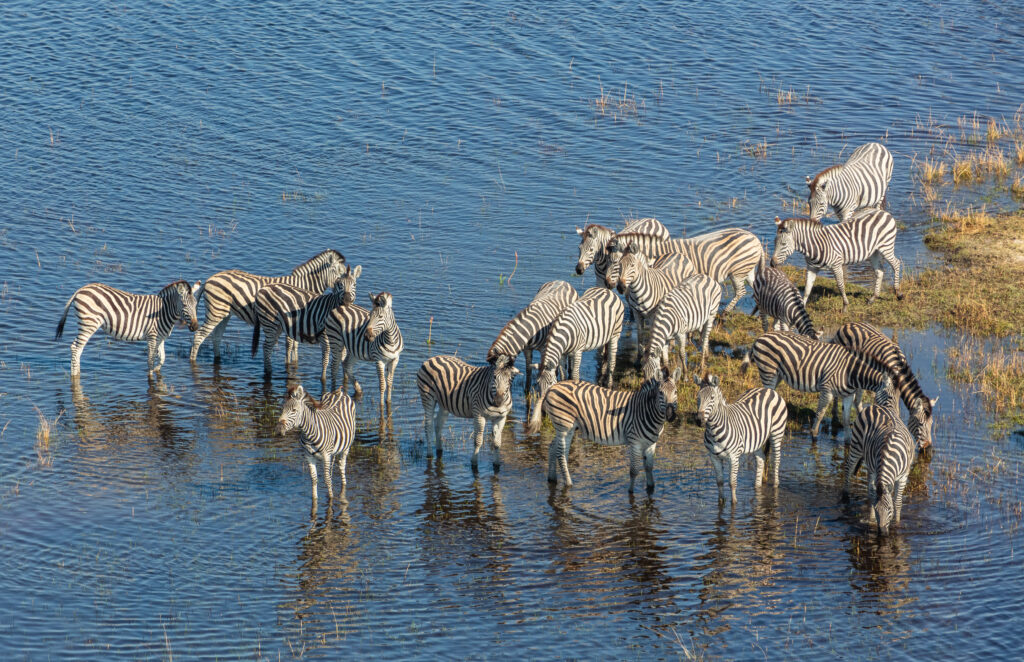
The centerpiece of Banhine’s revival has been the careful relocation of wildlife. Nearly 400 animals – including zebra, wildebeest, and several species of antelope – were transported from Maputo National Park. Moving these animals was no simple task. Over 12 days, helicopters guided the herds into funnel-shaped enclosures, and trucks carried them on an 18-hour journey north.
This reintroduction restores biodiversity and strengthens Mozambique’s role in the Great Limpopo Transfrontier Park. These reserves support ecological balance and create opportunities for sustainable tourism, which can further fund conservation efforts.
Mozambique has seen similar success with other reserves. Zinave National Park recently welcomed critically endangered black rhinos relocated from South Africa – the first in decades to inhabit the country. Peace Parks Foundation, a key partner in these projects, has overseen the relocation of more than 18,000 animals. This demonstrates the scale and impact of targeted conservation work.
The effort at Banhine was not easy. Donald Sutton, head of operations at the park, described over two and a half years of intensive preparation to rebuild fences, repair roads, and create a safe environment for returning wildlife. The results are already evident: the sanctuary now teems with life, and with time, the park aims to return to the vibrant ecosystem it once was.
RELEVANT READING | Botswana Pushes Back on Western Conservation
Takeaway: With commitment, planning, and collaboration, even heavily impacted ecosystems can recover. Banhine National Park’s story offers hope, proving that large-scale wildlife restoration is possible. Protecting biodiversity is not only vital for animals but also for the communities and economies that depend on healthy natural landscapes.