

Across Southern and Eastern Africa, safari operators protect more wildlife habitat than national parks, an overlooked fact in global conservation. According to the Conservation Champions 2025 report, seven core countries—Botswana, Mozambique, Namibia, South Africa, Tanzania, Zambia, and Zimbabwe—collectively safeguard hundreds of millions of acres through hunting concessions, community conservancies, game reserves, and private land. These areas form the backbone of Africa’s remaining wilderness, functioning as buffer zones around national parks and keeping critical ecosystems intact.
Safari operators supply the operational funding that keeps these landscapes functioning: anti-poaching patrols, wildlife monitoring, habitat management, invasive species control, and rapid response to human–wildlife conflict. Without this continuous field presence, many of these regions would face encroachment, poaching, unregulated extraction, or conversion to agriculture.
The report highlights a simple truth repeated across all seven nations: hunting tourism is the economic engine that keeps vast ecosystems wild. These operators pay for rangers, fuel, vehicles, roads, boreholes, scientific monitoring, predator management, and aerial surveillance. In places where governments lack the resources to manage the scale of wild lands, operators fill the gap.
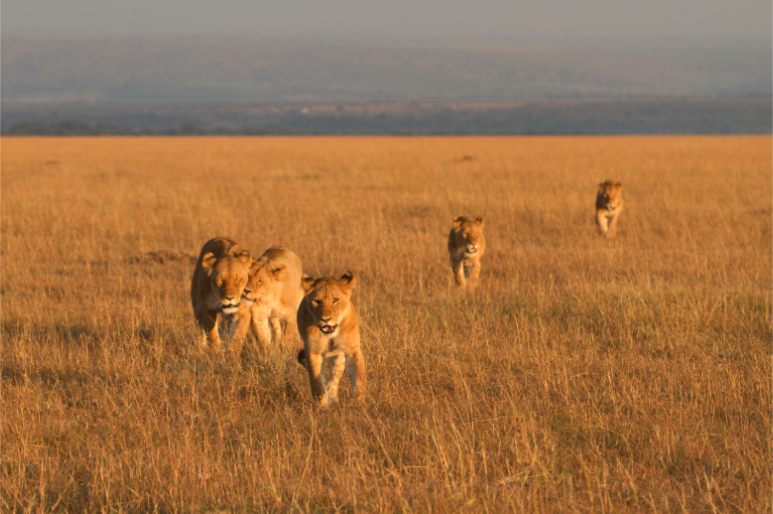
Many of Africa’s healthiest elephant, buffalo, lion, leopard, and plains-game populations exist in these concession systems—not inside fenced photographic reserves—because the land is large, connected, and actively managed.
Takeaway
Safari operators help keep Africa’s wildlife on the landscape. They maintain more continuous habitat than parks alone and invest in the land at a scale governments can’t match. The results are real: more habitat, stronger wildlife populations, and intact ecosystems sustained through responsible use.