
When most people think about wildlife conservation in the United States, they think about public lands, national parks, forests, and wildlife refuges.
But that’s only part of the picture. Less than 40% of land in the U.S. is publicly owned. The majority, roughly 60% of the landscape, is privately held, including farms, ranches, and working lands that support both production and wildlife habitat.
That reality is driving a shift in how wildlife conservation is being approached.
A Shift Toward Private Land Conservation
Recent bipartisan legislation, including the proposed Habitat Connectivity on Working Lands Act, is focused on expanding conservation efforts across private lands. These bills, H.R 2235 and S.4091, if passed, would provide important resources and incentives for ranchers and landowners to increase habitat connectivity for wildlife movement on their properties.
The legislation builds on existing USDA programs that:
- Provide cost-sharing and technical support
- Improve habitat connectivity
- Support migratory corridors for big game species like elk and mule deer
Instead of separating conservation from production, the model is built around working lands that serve both purposes.
Why Working Ranches Matter
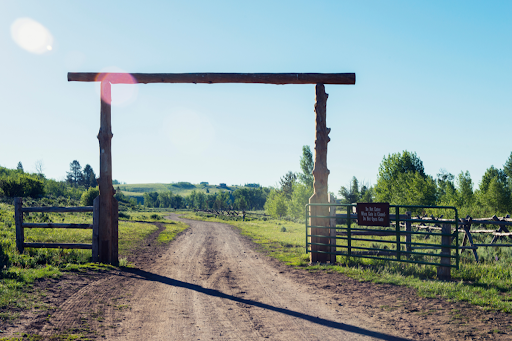
Across much of the West, working ranches represent some of the last large, intact landscapes available to wildlife.
When managed properly, these lands:
- Maintain open space
- Support native vegetation
- Allow for seasonal migration
- Provide food, water, and cover
According to recent conservation policy analysis, working lands are central to maintaining habitat connectivity and wildlife movement across large landscapes. This is especially important for species that rely on migration to survive changing seasons and environmental conditions.
The Role of Incentives and Policy
Modern conservation policy is increasingly focused on voluntary participation, not mandates.
Programs tied to federal funding and the Farm Bill aim to:
- Reward landowners for maintaining habitat
- Encourage wildlife-friendly practices
- Support infrastructure improvements like fencing that allow safer wildlife movement
These efforts recognize a key point: Wildlife does not recognize property boundaries. Migration routes often cross both public and private land, making coordination essential.
The Conservation Frontlines Takeaway
The future of big game conservation in the United States will not be decided solely on public land.
It will depend on:
- Private landowners
- Ranchers managing large landscapes
- Policies that support both production and conservation