
A recent study by The Wild Harvest Initiative, highlighted by the Rocky Mountain Elk Foundation puts a number on something many people have long understood: wild game is an important food source across the United States.
Researchers estimate that regulated harvest of big game species produces more than 519 million pounds of wild protein annually. That’s enough to provide approximately 1.39 billion meals each year.
The findings come from the Wild Harvest Initiative, which examined harvest data from state wildlife agencies across the country. The research looked at the amount of edible meat produced from legally harvested wildlife and the broader benefits that resource provides to society.
The numbers are significant.
According to the study, replacing that amount of protein with commercially purchased meat would cost consumers more than $3.2 billion annually. Researchers also noted that wild game generally contains higher protein levels and fewer calories than many commercially available meat products.
While discussions about conservation often focus on habitat, wildlife populations, and species recovery, the study highlights another important benefit of wildlife management: food.
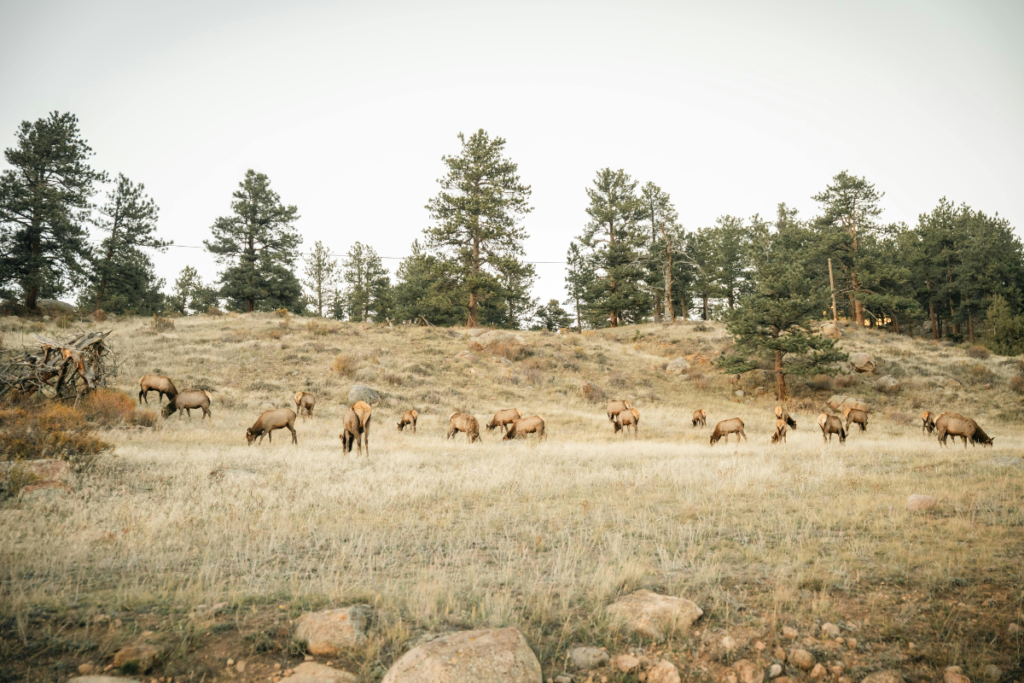
For many families, wild game represents a meaningful source of protein throughout the year. Venison, elk, pronghorn, moose, and other species provide nutritious meat that is sourced directly from North America’s landscapes.
The benefits extend beyond individual households.
Across the country, donation programs help distribute venison and other wild game to food banks and charitable organizations. These programs provide high-quality protein to communities while ensuring wildlife resources are fully utilized.
The study also found environmental benefits associated with wild game consumption. Researchers noted that wild-harvested protein can help reduce reliance on industrial food production systems while providing a renewable source of food that depends on healthy wildlife populations and functioning ecosystems.
None of this happens without conservation.
The wildlife populations that produce more than a billion meals annually exist because of decades of habitat restoration, science-based management, wildlife research, and conservation funding. Species such as elk, white-tailed deer, wild turkey, and pronghorn have rebounded dramatically over the past century due to coordinated conservation efforts across North America.
The study serves as a reminder that conservation outcomes often create benefits that extend far beyond wildlife itself.
Healthy habitat supports healthy wildlife populations. Healthy wildlife populations create sustainable opportunities for people to utilize a renewable natural resource. In turn, wildlife management programs receive continued support through licenses, excise taxes, conservation organizations, and habitat investments.
The result is a system that benefits wildlife, landscapes, and communities alike.
Conservation Frontlines Takeaway: Wild game remains one of North America’s most valuable and often overlooked natural resources, providing millions of meals while reinforcing the importance of healthy wildlife populations and effective conservation programs.