Drought Is Reshaping the Future of Western Big Game
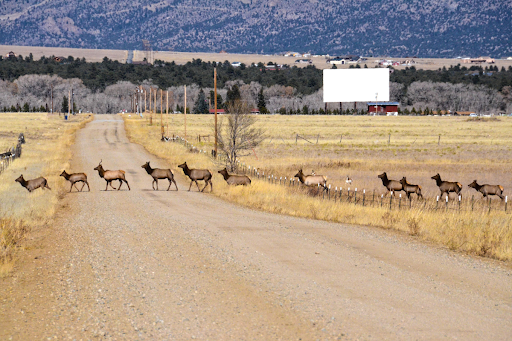
Western big game animals have always survived tough conditions. But across the American West, drought is becoming more intense, lasting longer, and changing the landscape faster than many species can adapt. For elk, mule deer, pronghorn, and other wildlife, drought affects far more than water availability. It changes migration patterns, reduces food quality, increases stress, […]
The West’s Big Game Migrations Are Finally Being Mapped
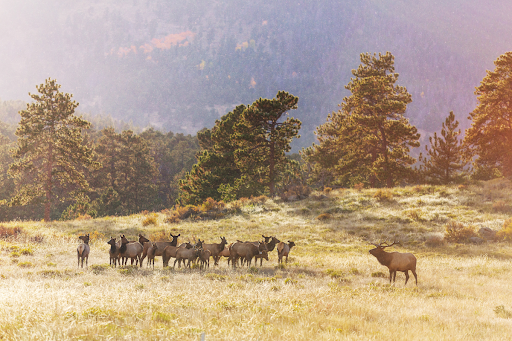
Across the American West, wildlife managers are building something that barely existed a decade ago: a connected map of how big game animals actually move across modern landscapes. In February 2025, the U.S. Geological Survey and state and tribal wildlife agencies released 36 newly mapped migration routes as part of the ongoing Ungulate Migrations of […]
The Warty Pig That Sustained Us: Tracing an Ancient Bond Through the World’s Oldest Art
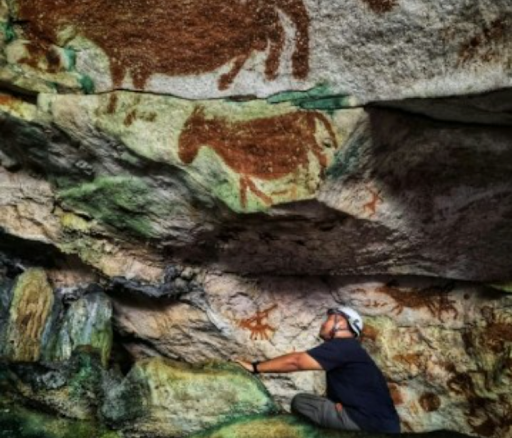
When researchers entered the limestone chambers of Sulawesi’s Maros-Pangkep region, it wasn’t just the human figures painted on the walls that transformed our understanding of early imagination – it was the animals. Hidden beneath layers of mineral deposits, researchers uncovered a vivid ochre scene anchored by a powerful Sulawesi warty pig, its form rendered with […]
Humanoid Robot Chasing Wild Boar in Warsaw
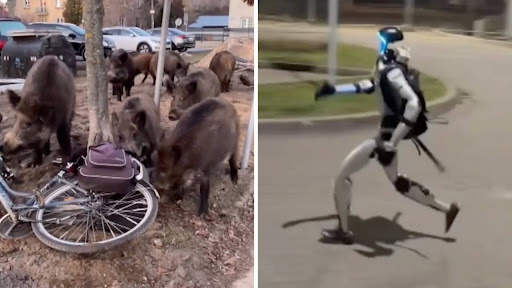
City officials are now forming a task force to address it, with a clear mandate: reduce risk to residents while figuring out how to coexist with a species that has fully embraced urban life.
Mule Deer Foundation Receives $4 Million to Support Grassland Conservation Efforts
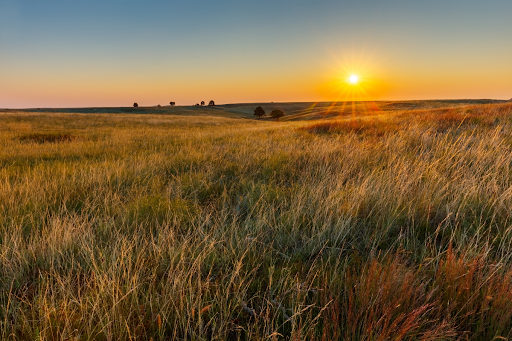
“Ranchers throughout the Midwest and West have long played a vital role in managing native grasslands that support both wildlife and local economies,” said Greg Sheehan, President and CEO of the Mule Deer Foundation.
Before the Rails: When Buffalo Meant Survival
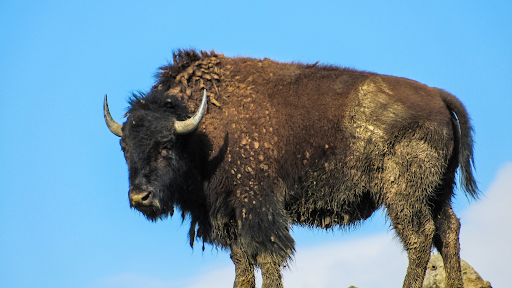
This article is Part I of a two-part series on the history of the American bison. “Buffalo” and “bison” are often used interchangeably in North America. Early explorers called it “buffalo,” and the name stuck. Archaeological evidence shows Indigenous peoples hunted bison for at least 10,000 years, during a time when an estimated 30 to […]
CWD Expands Across Montana Herds
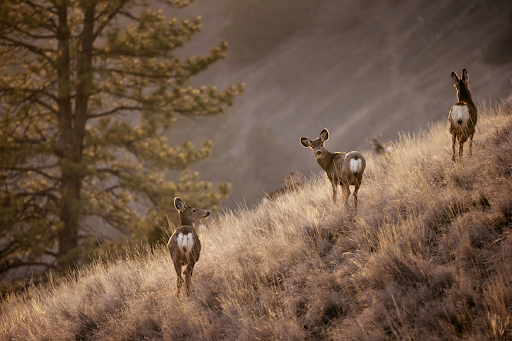
Chronic Wasting Disease is continuing to spread across Montana, and wildlife managers are beginning to see early signs of what that could mean for the state’s deer and elk populations. According to recent reporting, CWD has now been detected in roughly one-third of Montana’s hunting districts, with confirmed cases in mule deer, white-tailed deer, and […]
From 50% to 5%: The Shift in Mammal Biomass
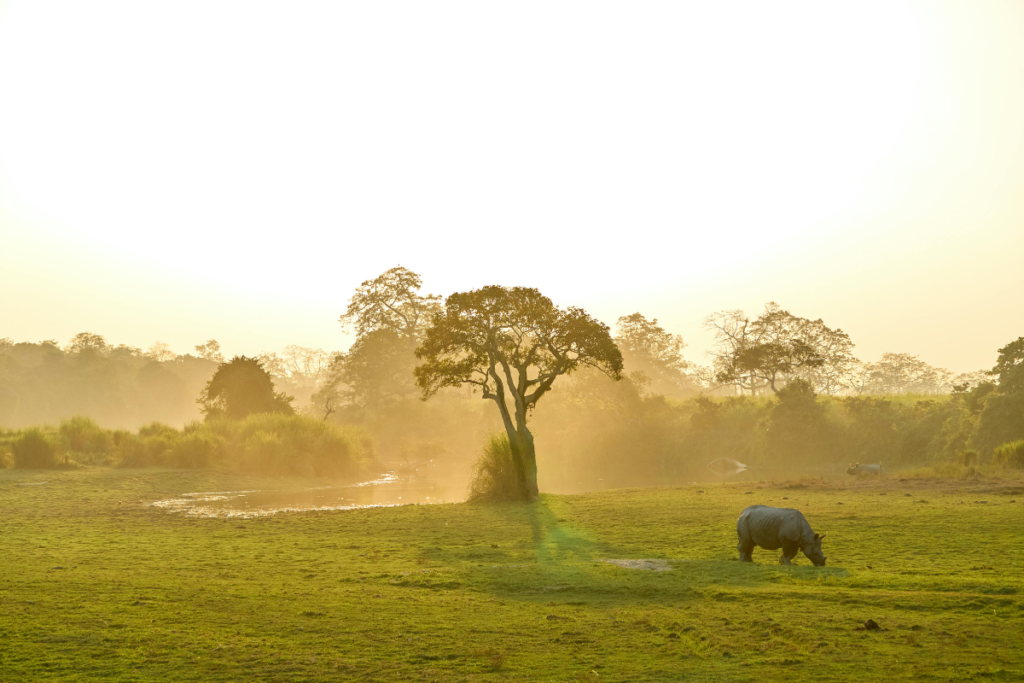
Roughly 150 years ago, wild mammals made up a significant share of life on land. Today, they account for a small fraction of total mammal biomass, which is defined as the combined weight of all mammals, including wildlife, humans, and livestock. This shift didn’t happen overnight. It reflects a long-term reallocation of land, energy, and […]
Approved Thailand Tests Birth Control to Reduce Elephant Encounters
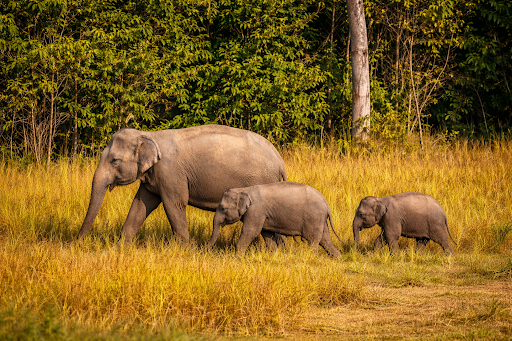
In wildlife management, birth control is rarely an effective tool. Across most species, it is difficult to administer, hard to scale, and has limited long-term impact. Thailand’s current approach represents a rare exception in wildlife management. Last year in Thailand, wild elephants killed 30 people and damaged crops in more than 2,000 incidents. As elephant […]
Japan’s Rising Bear Encounters
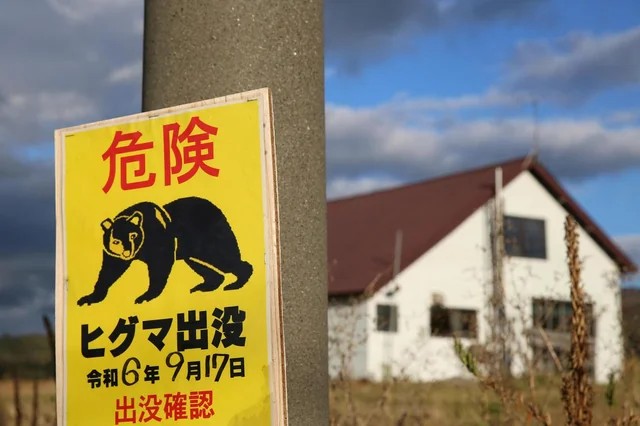
In 2025, Japan recorded its deadliest year on record for bear attacks, with 11 people killed and more than 100 injured. According to the Environment Ministry, this is the highest toll since data collection began in 2006. Once secretive forest dwellers, Asiatic black and brown bears are now appearing in supermarkets, schoolyards, and city streets […]